The Biological Foundation of Sustained Energy and Glucose Control
In the modern fast-paced world, the quest for sustained energy often leads people toward caffeinated beverages and quick-fix sugary snacks. However, the secret to feeling vibrant from sunrise to sunset doesn't lie in a stimulant, but in the intricate biological relationship between the foods we eat and our blood sugar levels. Understanding glycemic variability—the "peaks and valleys" of blood sugar—is the first step toward reclaiming your vitality through nutrition.
Decoding Glycemic Variability
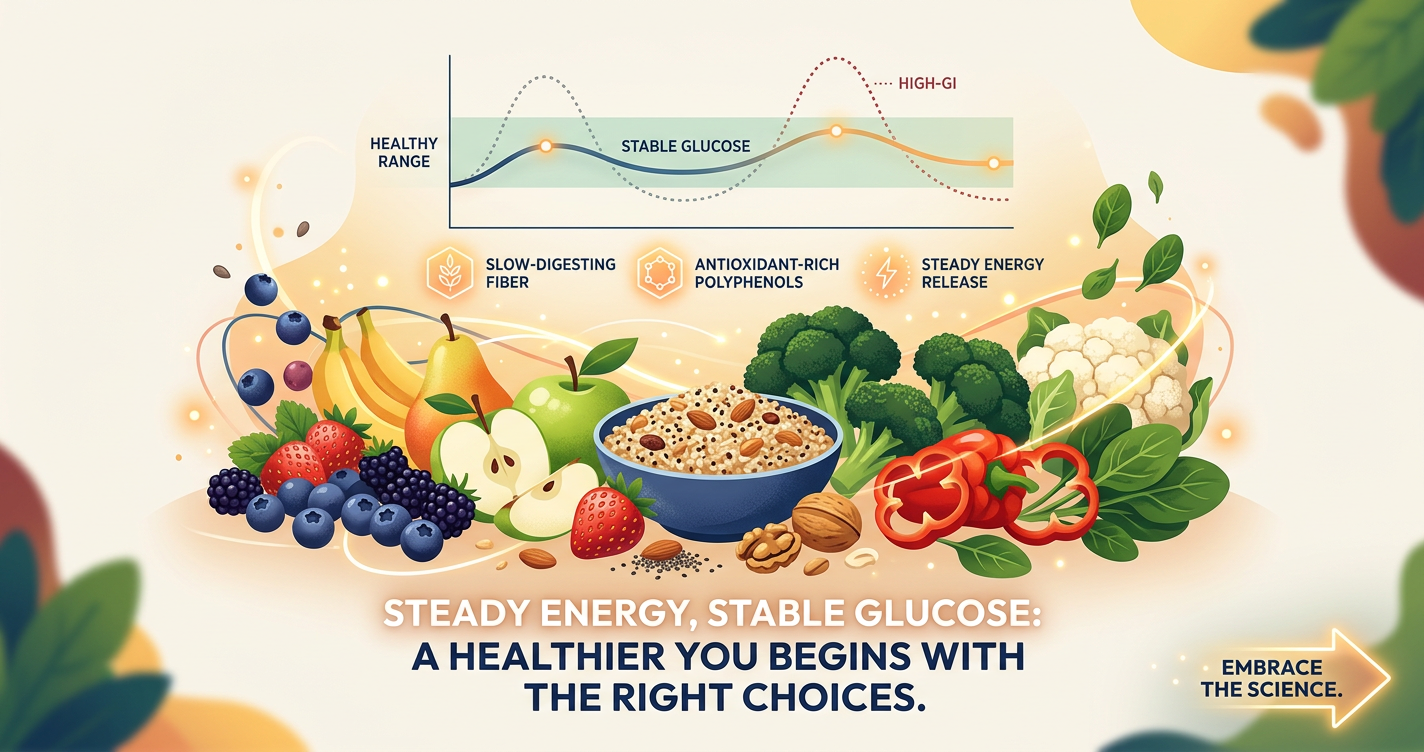
When we consume carbohydrates, our digestive system breaks them down into glucose, which enters the bloodstream. In response, the pancreas releases insulin to usher that glucose into our cells for energy. When we consume high-glycemic foods (like white bread, sugary cereals, or refined pasta), glucose floods the bloodstream rapidly. This causes a massive spike in blood sugar, followed by a dramatic "crash" as insulin overcompensates.
This roller coaster is known as high glycemic variability. Physiologically, these crashes trigger hunger, irritability (the "hangry" phenomenon), and brain fog. By focusing on plant based energy from fruit and veggies, we can flatten this curve. Low-glycemic eating is not just for those managing clinical conditions; it is a fundamental strategy for anyone seeking consistent cognitive function and physical stamina.
The Role of Mitochondria in Energy Production
At the cellular level, energy is produced by the mitochondria through a process called cellular respiration. When blood glucose is stable, the mitochondria receive a steady, manageable supply of fuel. In contrast, glucose spikes can lead to oxidative stress within the mitochondria, effectively "clogging" the engine. By choosing low GI vegetables and fruits, you provide your cells with a high-quality fuel source that burns slowly and cleanly, allowing for more efficient ATP generation—the body's primary energy currency.
Why "Natural" Sugar Differs from Refined Sugar
A common misconception is that all sugar is created equal. While an apple and a teaspoon of table sugar both contain fructose and glucose, the biological impact is worlds apart. The sugar in whole plants is encapsulated in a complex matrix of structural fibers and micronutrients. This physical structure requires time for the body to dismantle, ensuring that the sugar is released into the system gradually. This natural "time-release" mechanism is the cornerstone of glucose control.
The Power of Low-Glycemic Biodiversity: Selecting Your Fuel
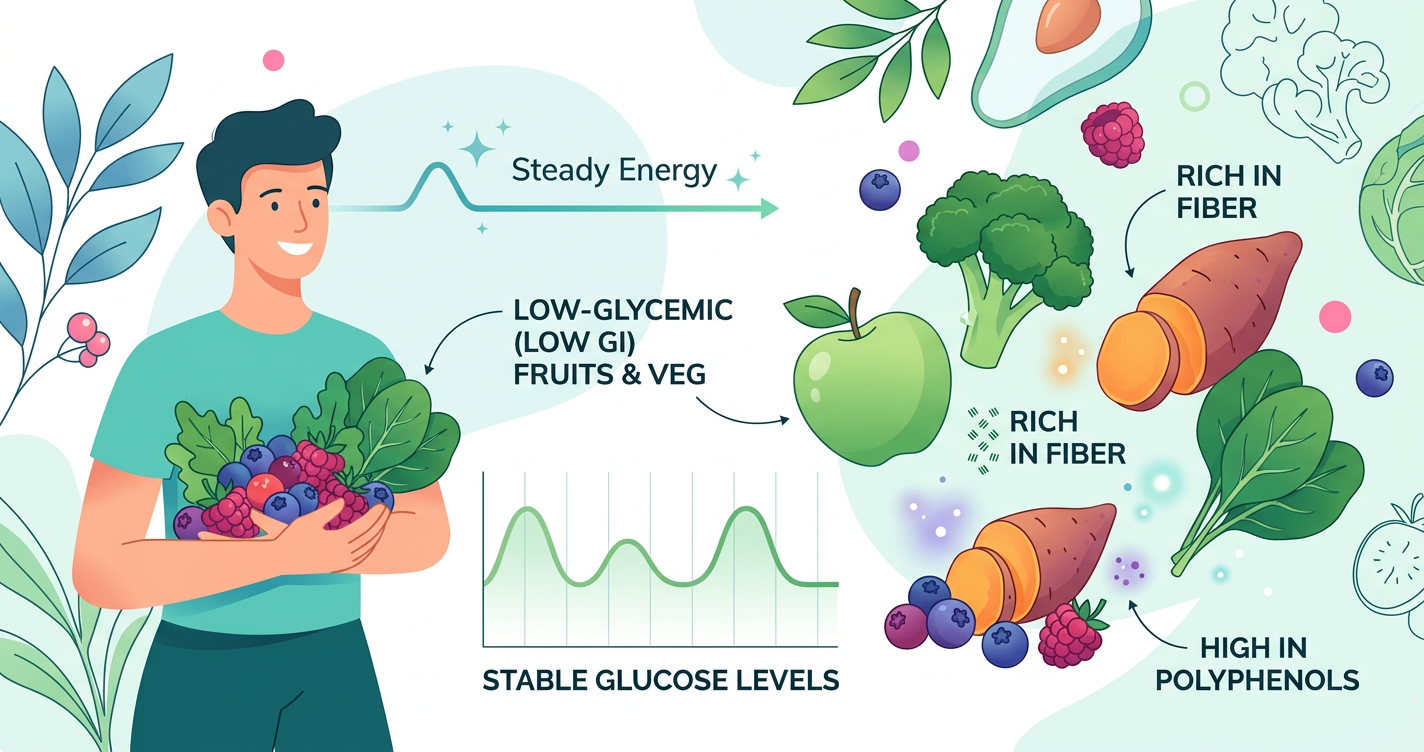
To optimize your energy, it is essential to distinguish between different types of produce. While all vegetables provide nutrients, some have a more favorable impact on blood sugar than others. Integrating a wide variety of low glycemic fruits and low GI vegetables ensures that you receive a broad spectrum of vitamins while maintaining metabolic stability.
Top Low-Glycemic Fruits for All-Day Energy
Many people avoid fruit because they fear the sugar content, but berries, stone fruits, and citrus are nutritional powerhouses that support metabolic health. Berries—including raspberries, blackberries, and strawberries—are particularly effective because they are high in water and fiber but relatively low in sugar.
Berries: High in antioxidants and fiber, they have a minimal impact on blood glucose.
Cherries: These contain anthocyanins, which have been shown to improve insulin sensitivity.
Grapefruit: Known for its bitter compounds that can help regulate lipid metabolism and glucose levels.
Apples and Pears: When eaten with the skin, these provide pectin, a soluble fiber that slows digestion.
Essential Low GI Vegetables to Anchor Your Meals
Vegetables should form the foundation of any energy-focused diet. Non-starchy vegetables have a very low glycemic load, meaning you can eat them in large quantities without impacting your blood sugar significantly. This "bulk" provides satiety and essential micronutrients.
Leafy Greens: Spinach, kale, and Swiss chard are rich in magnesium, a mineral vital for glucose metabolism.
Cruciferous Vegetables: Broccoli, cauliflower, and Brussels sprouts contain sulforaphane, which supports cellular detoxification.
Zucchini and Cucumbers: High water content helps with hydration, which is often mistaken for hunger or fatigue.
Asparagus: A prebiotic-rich vegetable that supports a healthy gut microbiome, further aiding in metabolic regulation.
Combining Foods for Maximum Stability
The glycemic impact of a meal is determined by the sum of its parts. Even if you consume a moderate-GI food, pairing it with fiber and polyphenols from other plants can negate the spike. For instance, pairing a sweet potato (medium-GI) with a large serving of sautéed kale and some healthy fats (like avocado) significantly slows the absorption of the potato's starches. This "food buffering" technique is a pro-level strategy for sustaining energy throughout the afternoon slump.
The Synergistic Magic: Fiber and Polyphenols as Metabolic Guards
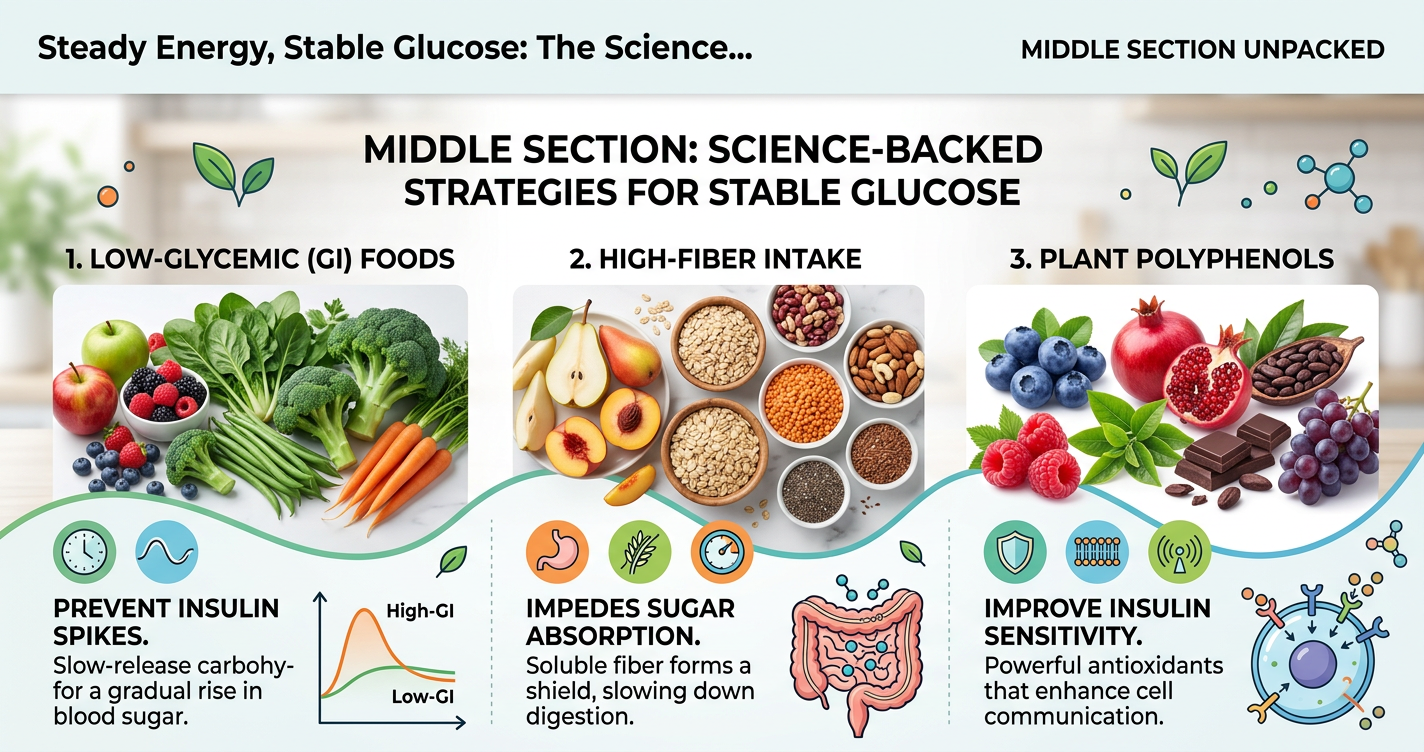
While vitamins and minerals are important, two specific components of plant-based foods act as the primary regulators of blood sugar: fiber and polyphenols. These compounds don't just provide nutrients; they physically and chemically alter the way your body processes energy.
Fiber: The Great Decelerator
Fiber is a carbohydrate that the human body cannot digest. Instead of being broken down into sugar, it passes through the system, performing several critical tasks. Soluble fiber, found in oats, beans, and many fruits, turns into a gel-like substance in the gut. This gel traps sugars and fats, slowing their entry into the bloodstream. Insoluble fiber, found in vegetable skins and whole grains, adds bulk and promotes "regularity," ensuring that waste products (including excess hormones and toxins) are moved out of the body efficiently.
By consuming high-fiber low GI vegetables, you are essentially creating a biological filter that prevents glucose floods. This results in the "steady energy" that allows you to work, exercise, and focus without the distraction of hunger pangs every two hours.
Polyphenols: Beyond Antioxidants
Polyphenols are bioactive compounds found in plants that give them their vibrant colors. Research increasingly shows that these compounds do more than just fight free radicals; they play a direct role in glucose control. Polyphenols can inhibit the enzymes responsible for breaking down starches into sugars (like alpha-amylase and alpha-glucosidase). This means that even if a meal contains sugar, the presence of polyphenols in the accompanying vegetables can reduce the amount of sugar that actually reaches your blood.
Specific polyphenols, such as the quercetin found in onions and apples or the EGCG in green tea, improve the insulin sensitivity of your cells. This means your cells become more efficient at "listening" to insulin, allowing them to take in glucose with less effort from the pancreas. This is the definition of metabolic efficiency.
The Microbiome Connection
Finally, the synergy of fiber and polyphenols feeds the gut microbiome. A diverse microbiome produces short-chain fatty acids (SCFAs) like butyrate when it ferments fiber. These SCFAs travel to the brain and the liver, signaling the body to improve its energy metabolism and reduce systemic inflammation. When your gut is healthy, your energy is stable. By focusing on plant based energy from fruit and veggies, you are nurturing an internal ecosystem designed to keep you powered up and focused.
Practical Tips for Implementation
Transitioning to a low-glycemic lifestyle doesn't require a radical overhaul overnight. Start by swapping refined snacks for a handful of nuts and berries. Replace white rice with cauliflower rice or extra greens. Focus on the "Plate Method": half your plate filled with non-starchy vegetables, one-quarter with high-quality protein, and one-quarter with complex, fiber-rich carbohydrates. Over time, these small shifts will lead to a profound transformation in your metabolic health and daily energy levels.