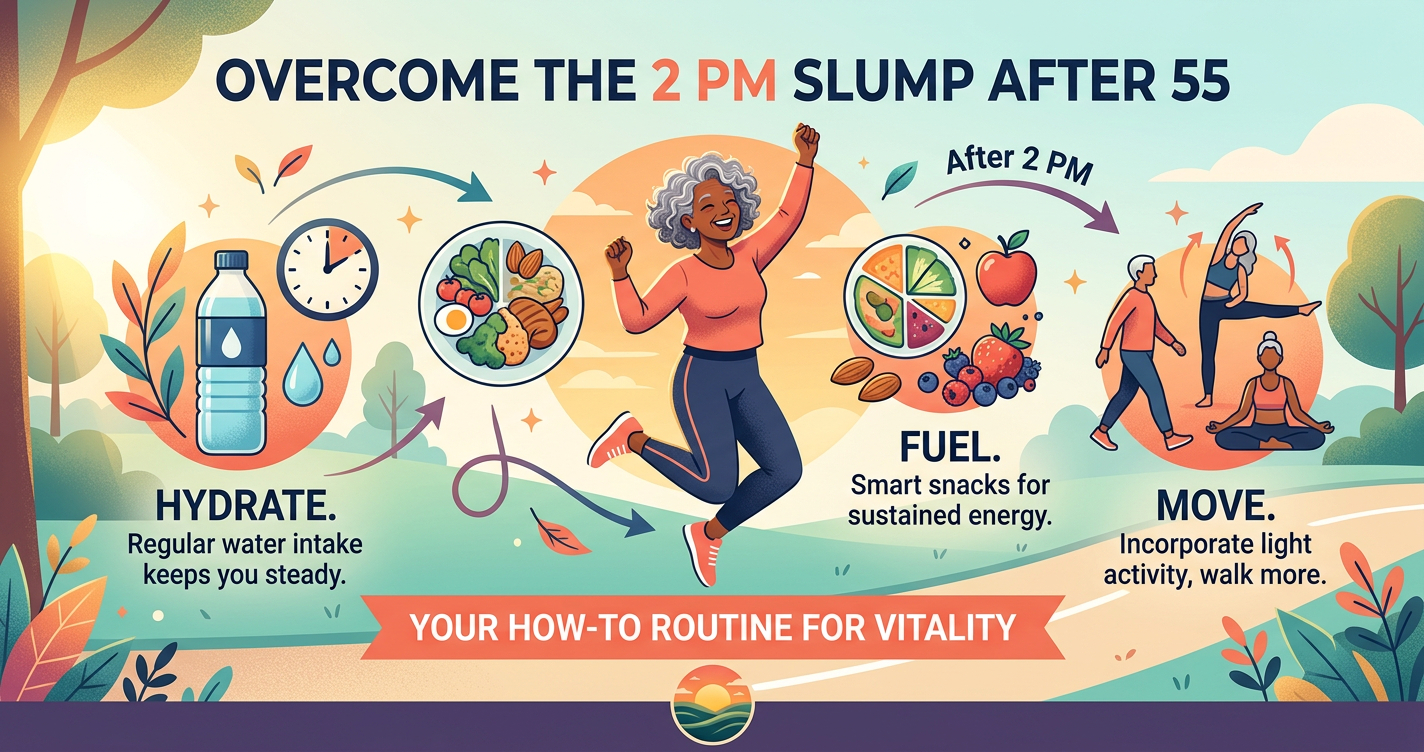
The Science of the Afternoon Slump: Understanding Circadian Energy After 55
Reaching the age of 55 brings a wealth of wisdom and experience, but it also introduces subtle shifts in how our bodies manage energy. If you find yourself nodding off at the kitchen table or struggling to keep your eyes open during a 2 PM meeting, you aren't alone. This phenomenon, often called the afternoon slump, is deeply rooted in our biological clocks. Understanding circadian energy is the first step toward reclaiming your afternoons and learning how to stop napping when you’d rather be active.
The Circadian Rhythm Shift
Our bodies operate on a 24-hour internal clock, known as the circadian rhythm. This rhythm regulates everything from body temperature to hormone release. As we age, our circadian cycles can become "compressed" or shift earlier. This is why many people over 55 find themselves waking up earlier and feeling a profound dip in alertness in the mid-afternoon. This dip isn't necessarily a sign of laziness; it is a physiological signal. However, when combined with poor hydration or heavy meals, this dip turns into a productivity-killing slump.
Hormonal Balance and Energy
After 55, changes in hormones like cortisol and melatonin play a significant role in energy management. Cortisol, often called the "stress hormone," should ideally peak in the morning to wake us up and gradually decline. If your cortisol levels are dysregulated, you might feel "wired but tired" or experience a dramatic crash after lunch. By focusing on a clean eating routine, we can help stabilize these hormonal fluctuations and maintain a more even keel throughout the day.
Why Napping Can Be a Double-Edged Sword
While a 20-minute power nap can be refreshing for some, for many adults over 55, a nap often stretches into an hour or more. This interferes with "sleep pressure," the biological drive to sleep at night. If you nap too long in the afternoon, you likely won't sleep well at night, creating a vicious cycle of fatigue the following day. Learning how to increase your energy with clean eating and cut out naps after 55 is about breaking this cycle and teaching your body to rely on its own metabolic fire rather than temporary sleep fixes.
Identify the "Dip Zone": Most people feel the slump between 1:00 PM and 3:00 PM.
Track your habits: Notice if your slump follows a high-carb lunch.
Assess your sleep quality: Are you napping because you didn't sleep, or out of habit?
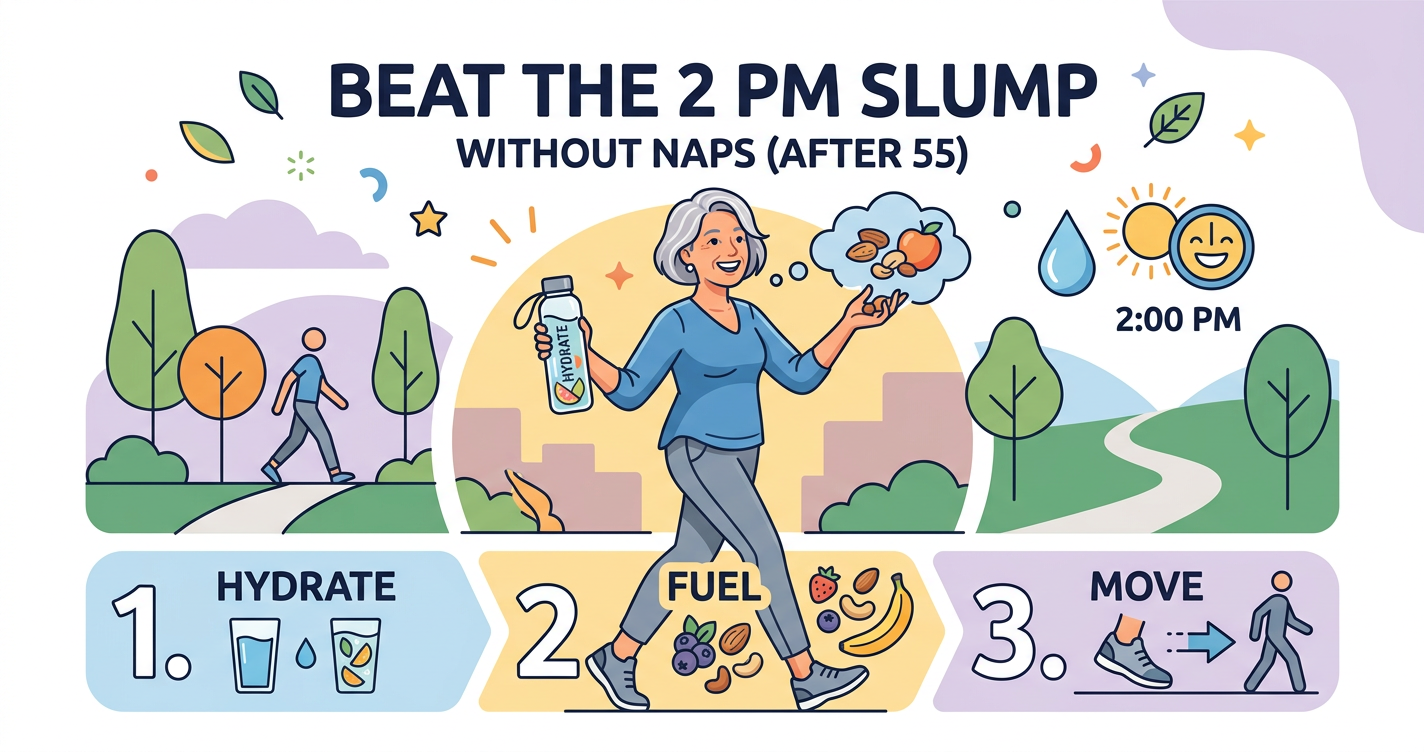
Hydration and Nutrition: The Foundation of Sustained Vitality
To beat the afternoon slump, we must look at what we are putting into our bodies long before the clock strikes two. Nutrition and hydration for energy after 55 are the two most powerful levers you can pull to ensure you have the stamina to last until bedtime.
The Critical Role of Electrolytes and Fluids
Many people believe that drinking plain water is enough. However, as we age, our kidneys become less efficient at retaining sodium, and our thirst mechanism often weakens. This makes electrolytes and fluids much more important. Electrolytes—including magnesium, potassium, and sodium—are the "spark plugs" of our cells. Without them, water cannot effectively enter the cells to provide energy.
Chronic dehydration is a leading cause of fatigue. Even a 2% drop in body water can lead to significant cognitive decline and physical tiredness. To combat this, start your day with a large glass of water with a pinch of sea salt or a sugar-free electrolyte powder. This sets a foundation of hydration that supports your brain and muscles throughout the day.
The Clean Eating Routine for All-Day Power
A clean eating routine isn't about restriction; it's about choosing foods that provide a slow, steady release of glucose into the bloodstream. High-sugar snacks or refined white breads cause a "spike and crash" effect. When your blood sugar crashes, your brain signals for a nap.
Focus on "Power Pairings" during your midday meal:
Protein + Fiber: Grilled salmon with a large green salad.
Healthy Fats + Complex Carbs: Avocado on whole-grain rye toast with hemp seeds.
Hydrating Vegetables: Cucumbers, bell peppers, and celery added to every meal.
Timing Meals and Movement for Maximum Impact
Timing meals and movement is a strategy often overlooked. Eating a large, heavy meal at 1:00 PM diverts a massive amount of blood flow to the digestive system, leaving your brain feeling foggy. Instead, aim for a moderate lunch followed by a brief period of activity. This encourages the glucose from your meal to be moved into your muscles for fuel rather than being stored, which prevents the post-meal lethargy that often leads to a nap.
Eliminating Energy Thieves
Beyond what you add, you must consider what to remove. Caffeine after 12:00 PM might seem like a solution to the slump, but it often lingers in the system, ruining your nighttime sleep and ensuring you’ll be tired again tomorrow. Similarly, highly processed "energy bars" are often just glorified candy bars that will leave you crashing harder an hour later. Stick to whole, single-ingredient foods to keep your energy baseline high.
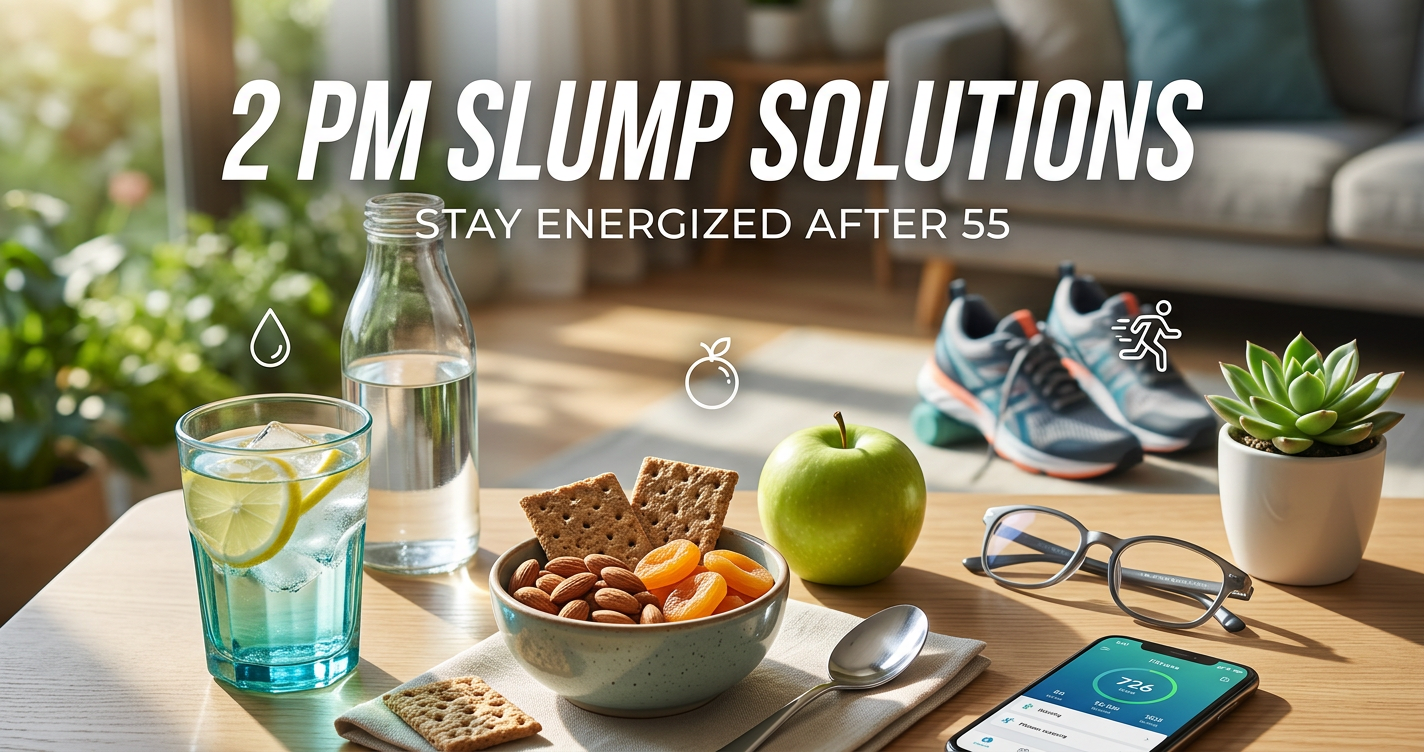
Movement and Environmental Reset: Breaking the Slump Cycle
Once you have addressed your internal fuel, the final step in your routine involves external actions. Physical movement and environmental changes are the "shocks" to the system that can pull you out of a 2 PM fog more effectively than any espresso shot.
The Power of "Micro-Movements"
You don't need a gym session to beat the slump. In fact, intense exercise in the middle of a crash can sometimes backfire. Instead, focus on low-intensity, consistent movement. A 10-minute brisk walk around the block does two things: it increases circulation and resets your visual field. If you are stuck at a desk, simple stretches or standing up every 30 minutes can significantly improve alertness.
Light Exposure and the Biological Reset
One of the reasons we feel sleepy in the afternoon is a lack of natural light. Our brains perceive dim indoor lighting as a signal that it might be time for rest. By stepping outside into direct sunlight for even 5 minutes, you signal to your brain to suppress melatonin production and increase serotonin. This is a crucial step in how to stop napping. If you can’t go outside, sit by a bright window or use a high-intensity light therapy box.
The Hydration-Movement Connection
Combine your strategies for maximum effect. When you feel the slump coming on, drink a glass of water with electrolytes and fluids and then immediately do a set of 10 air squats or calf raises. This "stacking" of habits ensures that the hydration is pumped throughout your body quickly, delivering oxygen to your brain and extremities.
Strategic Social Interaction
Humans are social creatures, and social engagement is a powerful stimulant for the brain. If you find your energy flagging, pick up the phone or talk to a neighbor. The cognitive load of a conversation requires focus and alertness, which can help snap you out of a localized "trance" of fatigue. This is part of a holistic approach to how to increase your energy with clean eating and cut out naps after 55—it’s about engaging with the world rather than retreating from it.
Building Your Personalized Afternoon Routine
To truly conquer the slump, consistency is key. Your new 2 PM routine should look something like this:
2:00 PM: Drink 12-16 oz of water with a squeeze of lemon and a pinch of salt.
2:05 PM: Step outside for 5-10 minutes of sunlight and deep breathing.
2:15 PM: Perform light stretching or a short walk.
2:25 PM: Engage in a high-focus task or a brief social interaction.
By following this structure, you are addressing the hydration, nutritional, and biological needs of your body. You aren't just fighting the urge to nap; you are optimizing your system for a vibrant second half of the day. Embracing these changes after 55 isn't just about avoiding a nap; it's about ensuring that your golden years are spent with the energy and clarity you deserve.