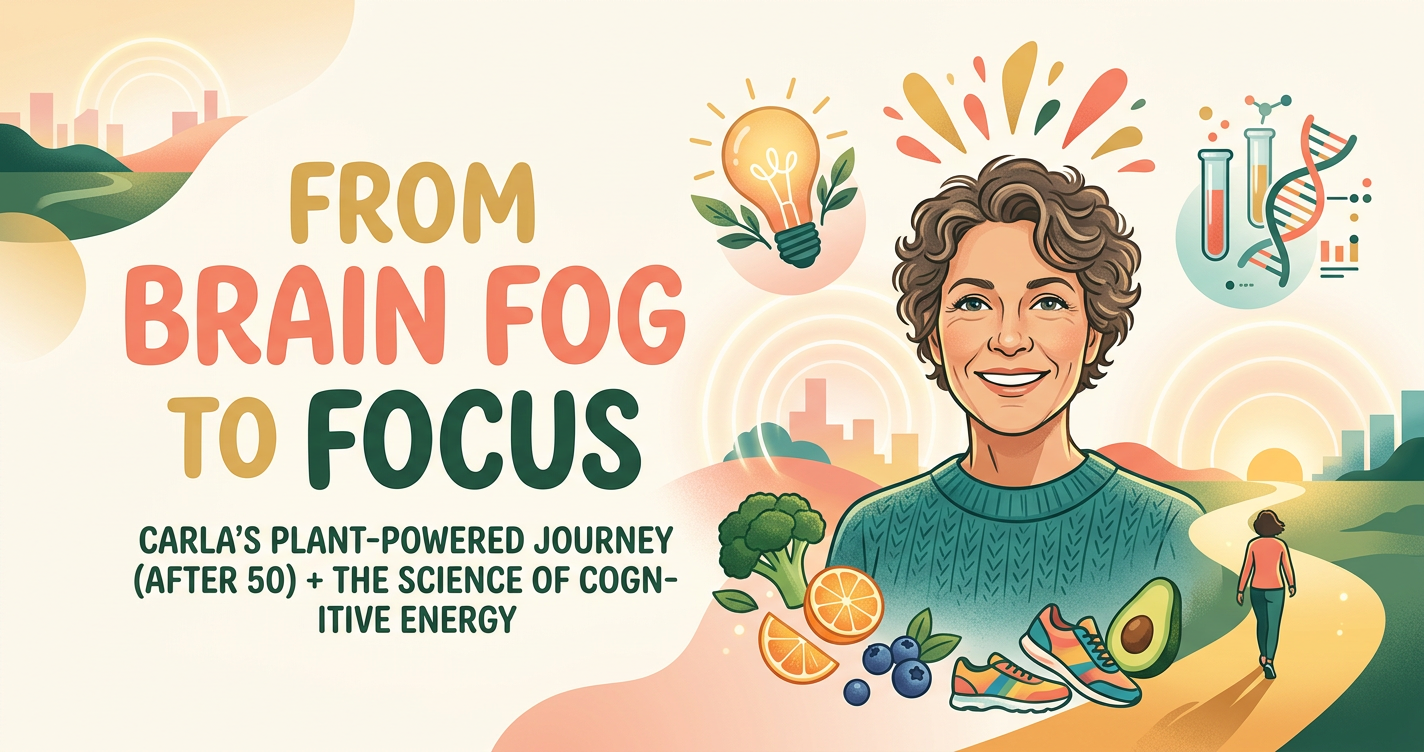
Carla stood in the middle of her kitchen, holding a spatula in one hand and her car keys in the other. She couldn’t remember why she was holding either. At fifty-four, this "mental static" had become her norm. It wasn't just the menopause or the extra forty pounds that seemed to have settled permanently around her midsection; it was the suffocating cloud of brain fog that made every professional task feel like wading through waist-deep molasses. As a freelance graphic designer, her livelihood depended on sharp focus and creative sparks, both of which seemed to have vanished behind a veil of fatigue. This is the story of how Carla reclaimed her life, not by counting calories, but by feeding her brain.
The invisible Wall: Understanding Cognitive Energy and the Aging Brain
For Carla, the weight gain was the most visible symptom, but the cognitive decline was the most frightening. She found herself reading the same paragraph four times. She misplaced her phone so often it became a family joke. What Carla was experiencing is a phenomenon many women face in their second act: a significant shift in cognitive energy as we age.
Cognitive energy isn't just a buzzword; it is a physiological reality. It refers to the brain’s ability to utilize glucose and oxygen to power neuronal firing. As we hit our fifties, hormonal shifts—specifically the decline in estrogen—can impact the brain's metabolic efficiency. Estrogen acts as a master regulator of glucose metabolism in the brain. When it dips, the brain’s "power plant" begins to sputter. For Carla, this manifested as the dreaded "brain fog," a state where the brain is literally struggling for fuel.
The standard American diet, heavy in processed sugars and saturated fats, only exacerbated Carla's issues. By consuming high-sugar "quick fixes" to fight the afternoon slump, she was inadvertently causing massive spikes and crashes in her blood glucose levels. These fluctuations are neuroinflammatory, meaning they cause low-grade swelling in the brain tissues, further impairing memory and focus. Carla realized that her diet wasn't just making her clothes tight; it was making her thoughts heavy.
Research suggests that the brain consumes about 20% of the body's total energy. When that energy is diverted to manage systemic inflammation or handle insulin resistance—both common side effects of weight gain after fifty—the executive functions are the first to suffer. Carla’s story of weight loss and health led by a change to a plant-based diet began when she stopped looking at the scale and started looking at her neurons.
The Biological Link Between Gut Health and Mental Clarity
One of the turning points for Carla was learning about the gut-brain axis. She learned that a significant portion of her neurotransmitters, including serotonin, are produced in the gut. By eating a diet low in fiber and high in processed additives, she had compromised her gut microbiome, which in turn sent "distress signals" to her brain. This realization provided the motivation she needed to move away from the "diet pills" she had unsuccessfully tried in her forties and toward a holistic nutritional overhaul.
The Plant-Powered Protocol: Clearing the Fog with Nutrition
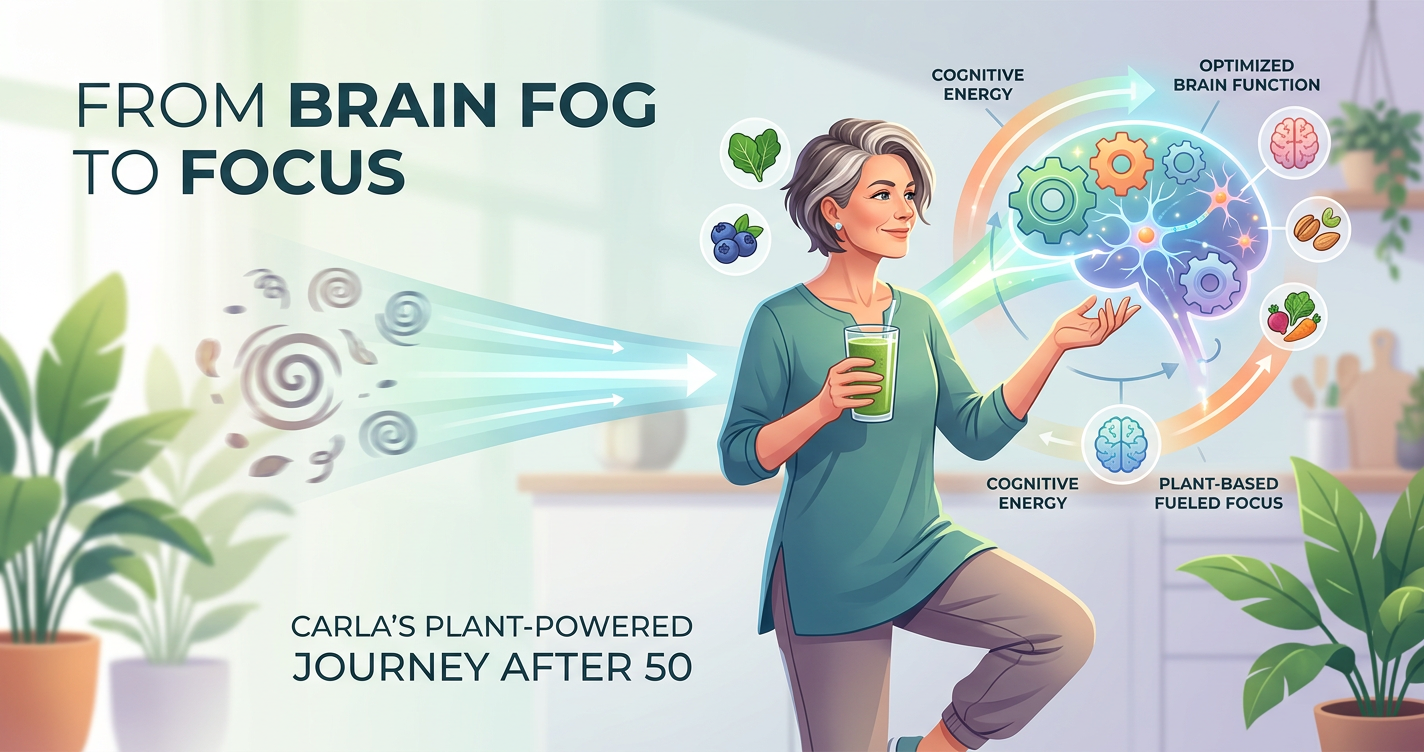
Carla’s transition wasn't immediate, but it was intentional. She decided to swap her morning bagel and cream cheese for a green smoothie packed with spinach, flaxseeds, and wild blueberries. This simple shift introduced her to the power of polyphenols for focus. Polyphenols are micronutrients found in plants that act as powerful antioxidants. In the brain, they help neutralize oxidative stress—the internal "rusting" that occurs as we age—and have been shown to improve the communication between neurons.
As she leaned further into her plant-based diet, brain fog began to lift within just three weeks. She focused on three pillars of plant-based nutrition designed specifically for cognitive longevity:
Low-Glycemic Load: Carla ditched white breads and pastas for quinoa, lentils, and sweet potatoes. These low-glycemic foods for focus provide a steady, slow-release stream of glucose to the brain, preventing the "haze" that follows a sugar crash.
Nitric Oxide Boosters: She began incorporating beets, arugula, and kale into her daily meals. These are known as nitric oxide foods for brain blood flow. Nitric oxide helps dilate blood vessels, ensuring that a rich supply of oxygenated blood reaches the cerebral cortex.
Omega-3 Fatty Acids: Since she was moving away from fish, she prioritized walnuts, chia seeds, and algae-based supplements to provide the DHA and EPA essential for brain cell membrane integrity.
Carla found that she wasn't just losing weight; she was gaining "mental minutes." Where she previously could only focus for twenty minutes at a time, she was now finding "flow states" that lasted two hours. The weight loss became a side effect of reduced systemic inflammation. As her body became more efficient at processing nutrients, the stubborn visceral fat around her midsection began to melt away because her cortisol levels—the stress hormone that stores belly fat—were no longer constantly elevated by dietary stress.
The Science of Nitric Oxide and Cerebral Perfusion
The role of nitric oxide cannot be overstated in Carla's journey. As we age, our bodies naturally produce less nitric oxide, which can lead to reduced "cerebral perfusion"—posh terminology for blood flow to the brain. By consuming nitrate-rich vegetables, Carla was essentially "opening the pipes." This increased blood flow doesn't just deliver nutrients; it also helps clear out metabolic waste products like amyloid-beta, which is linked to longer-term cognitive decline. For Carla, more beets meant more breakthroughs in her design work.
The Transformation: Why 50 is the New Beginning
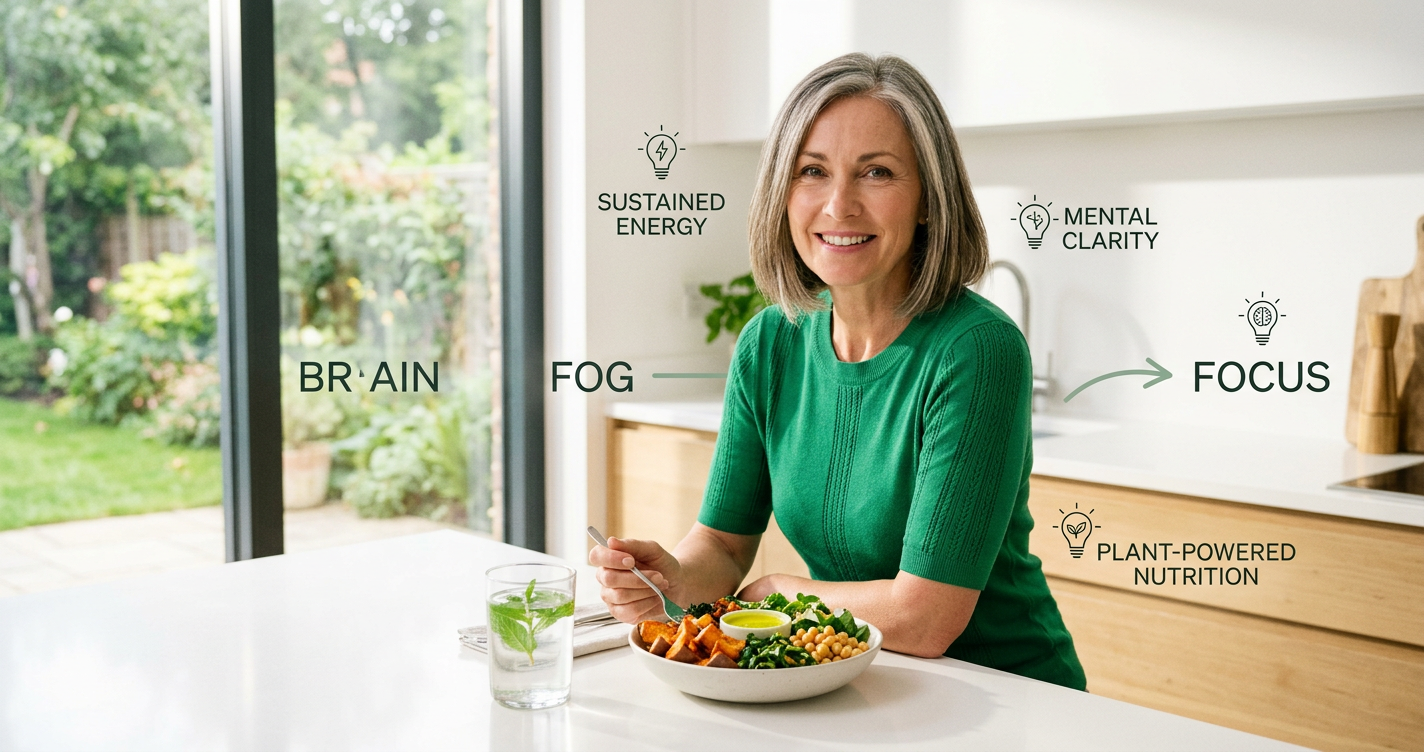
Six months after her transition, Carla was forty-two pounds lighter, but more importantly, she felt mentally "sharp as a tack." The story of weight loss and health led by a change to a plant-based diet had reached its peak. She no longer looked for her keys while holding them. She had the stamina to hike on weekends and the cognitive endurance to take on a high-stakes client she would have been too intimidated to handle a year prior.
Carla’s journey provides a blueprint for others over fifty who feel they are losing their "edge." The key takeaway is that the brain is a highly metabolic organ that responds rapidly to nutritional intervention. By prioritizing cognitive energy as we age through a plant-forward lifestyle, we aren't just preventing disease; we are optimizing our current experience of life.
For those looking to follow in Carla's footsteps, she suggests starting with these three steps:
Color-Code Your Plate: Aim for at least three different colors of plants at every meal to ensure a wide spectrum of polyphenols.
Hydrate for Logic: Even mild dehydration can shrink brain tissue and cause immediate brain fog. Carla drinks 3 liters of water a day, often infused with lemon or cucumber.
The 80/20 Rule: She didn't seek perfection. She focused on being 100% plant-based 80% of the time, allowing herself grace during social gatherings. This reduced the "decision fatigue" that often leads to diet failure.
Today, Carla views her fifty-fifth year not as the beginning of a decline, but as a "hardware upgrade." By clearing the brain fog with plant-based nutrition, she discovered that her best creative work wasn't behind her—it was just waiting for the right fuel to ignite. Her story proves that while aging is inevitable, the "fog" is optional. With the right low-glycemic foods for focus and a commitment to nitric oxide foods for brain blood flow, the second half of life can be the clearest, brightest, and most vibrant period of all.
In conclusion, Carla’s success underscores a vital truth: our brains and bodies are not separate entities. What heals the gut, clears the arteries, and sheds the pounds also sharpens the mind. If you are struggling with focus or weight after fifty, consider looking toward the garden. Like Carla, you might just find that the clarity you've been missing is waiting at the end of a fork.