Reaching the milestone of 50 is often described as entering a "second act." It is a time of wisdom, career peaking, and often, more freedom. However, for many, this transition is accompanied by a frustrating and persistent companion: fatigue. You might find that the boundless energy you enjoyed in your 30s has been replaced by a mid-afternoon slump or a morning "fog" that doesn’t clear with coffee. While many attribute this to "just getting older," the reality is often rooted in biology—specifically, the changing nutritional needs of the body.
As we age, our bodies become less efficient at absorbing certain vitamins and minerals. Changes in stomach acid, metabolic rate, and cellular function mean that the "balanced diet" you followed a decade ago may no longer be sufficient. For those embracing plant based nutrition over 50, there are unique opportunities and specific challenges. By identifying and filling seven specific nutrient gaps, you can revitalize your cellular engine and reclaim the vibrancy needed to enjoy this stage of life.
The Foundational Three: B12, Iron, and Magnesium for Cellular Vitality
Energy begins at the cellular level. If your cells lack the basic building blocks required to convert food into fuel, no amount of caffeine will provide a sustainable fix. For those over 50, three specific nutrients often fall below optimal levels: Vitamin B12, Iron, and Magnesium.
1. Vitamin B12: The Neurological Powerhouse
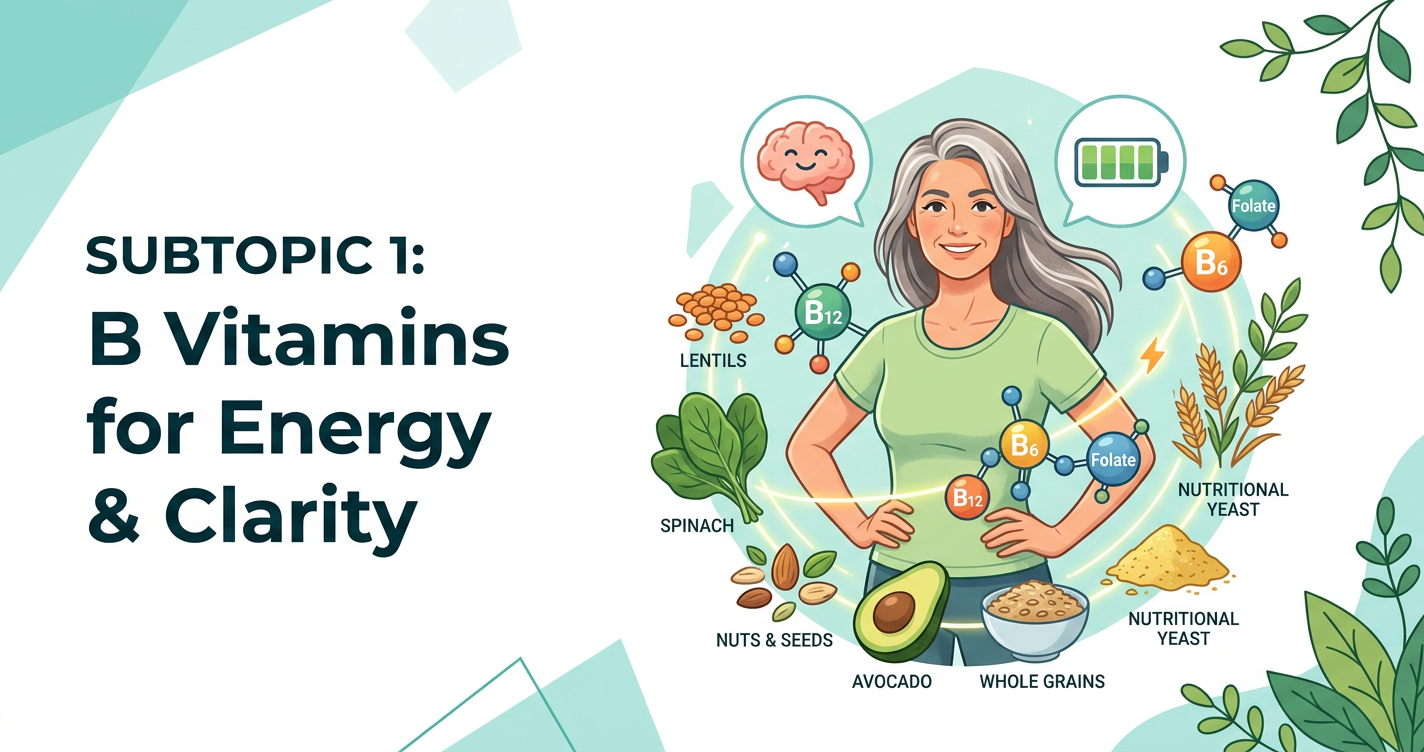
Vitamin B12 is arguably the most critical nutrient for energy management in older adults. It is responsible for the health of your nerve cells and the production of DNA and red blood cells. The challenge after 50 is twofold: first, B12 is primarily found in animal products; second, as we age, we produce less hydrochloric acid in the stomach, which is necessary to absorb B12 from food.
A deficiency in B12 leads to megaloblastic anemia, where the body produces large, immature red blood cells that can't carry oxygen efficiently. This results in profound fatigue, muscle weakness, and "brain fog."
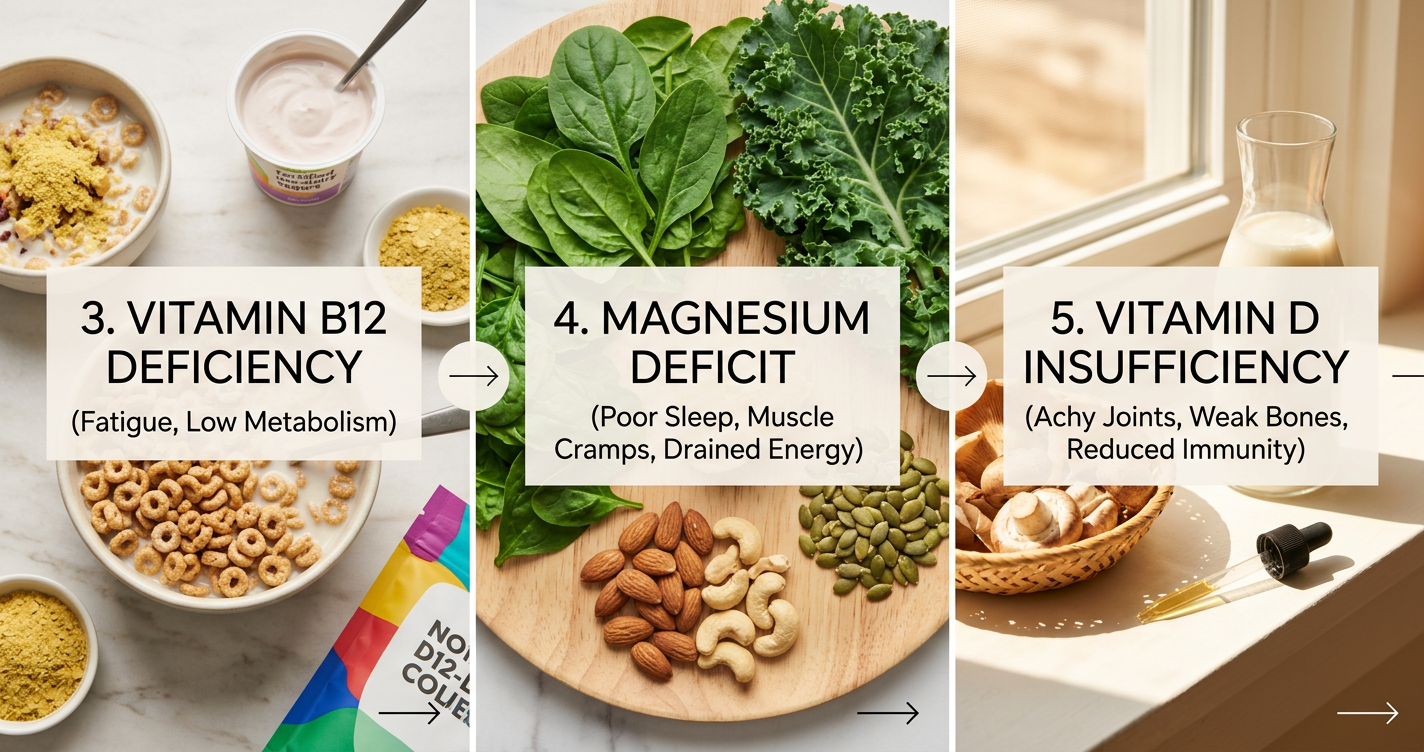
The Plant-Based Fix: Since plants don't naturally produce B12, fortification is key. Look for fortified nutritional yeast (the "holy grail" of vegan energy), fortified plant milks (almond, soy, or oat), and breakfast cereals. However, because absorption decreases with age, those over 50 should consult a physician about a high-quality methylcobalamin supplement to ensure levels remain in the optimal range.
2. Iron: The Oxygen Carrier
While often associated with younger women, iron remains vital after 50. Iron is a key component of hemoglobin, the protein in red blood cells that carries oxygen from your lungs to all parts of your body. Without enough iron, your tissues are essentially "starved" for air, leading to exhaustion and shortness of breath.
In a plant-based diet, we consume "non-heme" iron. While abundant, non-heme iron is more sensitive to inhibitors like the tannins in tea or coffee. To maximize energy, the strategy must focus on bioavailability.
The Plant-Based Fix: Focus on lentils, chickpeas, pumpkin seeds, and spinach. To triple your absorption, always pair these foods with Vitamin C. A squeeze of lemon on your lentil soup or sliced bell peppers with your hummus makes a world of difference. Avoid drinking tea or coffee within an hour of your iron-rich meals.
3. Magnesium: The Enzyme Activator
Magnesium is involved in over 300 biochemical reactions in the body, including the creation of ATP—the fundamental energy currency of your cells. Low magnesium levels are incredibly common in the modern diet because of soil depletion, but for those over 50, the kidneys also tend to excrete more magnesium, making deficiency more likely.
If you feel physically tired but mentally "wired" or suffer from muscle cramps at night, magnesium might be your missing link. It helps regulate the stress response, allowing for better sleep, which in turn leads to higher daytime energy.
The Plant-Based Fix: Dark leafy greens (kale, Swiss chard), almonds, cashews, and dark chocolate are excellent sources. For a concentrated boost, incorporate pumpkin seeds (pepitas) into your salads, as they are one of the most magnesium-dense foods on the planet.
Optimizing Circulation and Inflammation: Nitrates, Polyphenols, and Omega-3s
Energy isn't just about what's inside your cells; it’s about how efficiently your blood can deliver nutrients to those cells. As we age, our vascular system becomes less flexible, and chronic low-grade inflammation can act like a "brake" on our energy levels. Addressing these vascular and inflammatory gaps is essential for longevity.
4. Dietary Nitrates: The Natural Pre-Workout
Nitrates found in plants are converted by the body into nitric oxide. This molecule acts as a vasodilator, meaning it relaxes and widens your blood vessels. This allows for better blood flow, lower blood pressure, and more efficient oxygen delivery to the brain and muscles. For people over 50, improving nitric oxide production is like cleaning out the "sludge" in the pipes, leading to an immediate improvement in physical stamina.
The Plant-Based Fix: Red beets are the undisputed kings of nitrates. Drinking beet juice or consuming roasted beets can significantly boost exercise tolerance. Other high-nitrate options include arugula (rocket), rhubarb, and cilantro. Consuming these raw or lightly steamed preserves the nitrate content.
5. Polyphenols: The Mitochondrial Protectors
Polyphenols are micronutrients that we get through certain plant-based foods. They are packed with antioxidants and can improve the function of mitochondria—the "power plants" of our cells. After 50, mitochondrial decay is a primary driver of aging and fatigue. Polyphenols help protect these delicate structures from oxidative stress.
The Plant-Based Fix: Think "color." Deeply pigmented berries (blueberries, blackberries), cloves, star anise, and green tea are loaded with polyphenols. Try to include at least three different colors of plants in every meal to ensure a diverse spectrum of these protective compounds.
6. Omega-3 ALA: The Brain and Heart Essential
Chronic inflammation is an energy silent killer. Omega-3 ALA (Alpha-Linolenic Acid) is an essential fatty acid that the body cannot produce on its own. It is the precursor to EPA and DHA, which are vital for heart health and cognitive function. As we age, keeping the brain "lubricated" and free of inflammation is the key to maintaining mental stamina throughout the day.
The Plant-Based Fix: Flaxseeds, chia seeds, and walnuts are the premier sources of ALA. Since the conversion rate of ALA to EPA/DHA can be low, it’s imperative to consume these daily. A tablespoon of ground flaxseed in your morning oatmeal or chia seeds in a smoothie provides the anti-inflammatory foundation your body needs to stay energized.
Balancing the Electrical System: Potassium and Hydration Mastery
The final pillar of energy over 50 is electrolyte balance. Every beat of your heart and every movement of your muscles depends on electrical signals. If your "battery" doesn't have the right concentration of electrolytes, you will feel sluggish, heavy, and mentally slow.
7. Potassium: The Fatigue Fighter
Potassium is often overshadowed by sodium, but for energy, it is far more important. It helps maintain fluid balance inside your cells and is critical for nerve conduction. Many people over 50 consume too much salt (sodium) and far too little potassium, leading to fluid retention and high blood pressure, both of which drain energy.
A diet rich in potassium can help flush out excess sodium, reducing the workload on your heart and making you feel lighter and more refreshed.
The Plant-Based Fix: While bananas are the famous choice, they aren't actually the best. Potatoes (with the skin), sweet potatoes, white beans, and avocado contain significantly more potassium. Incorporating a baked potato or a cup of cooked white beans into your lunch can prevent the dreaded 3:00 PM energy crash.
Implementing the "Energy First" Protocol
Filling these gaps isn't about taking a handful of pills; it's about intentional plant based nutrition over 50. Start by picking one gap to close each week. Perhaps this week you focus on adding flaxseeds for omega-3 ALA, and next week you focus on magnesium-rich snacks. By systematically addressing these core nutrients—B12, iron, magnesium, nitrates, polyphenols, omega-3s, and potassium—you are giving your body the tools it needs to generate energy rather than just survive the day.
Consistency is your greatest ally. Unlike caffeine, which provides a spike and a crash, these nutrient fixes build the long-term infrastructure for health. Within a few weeks of consistent intake, most people report not just better physical energy, but sharper mental clarity and improved mood—the hallmarks of vibrant aging.