The Biological Thermostat: How Your Body Prioritizes Core Warmth
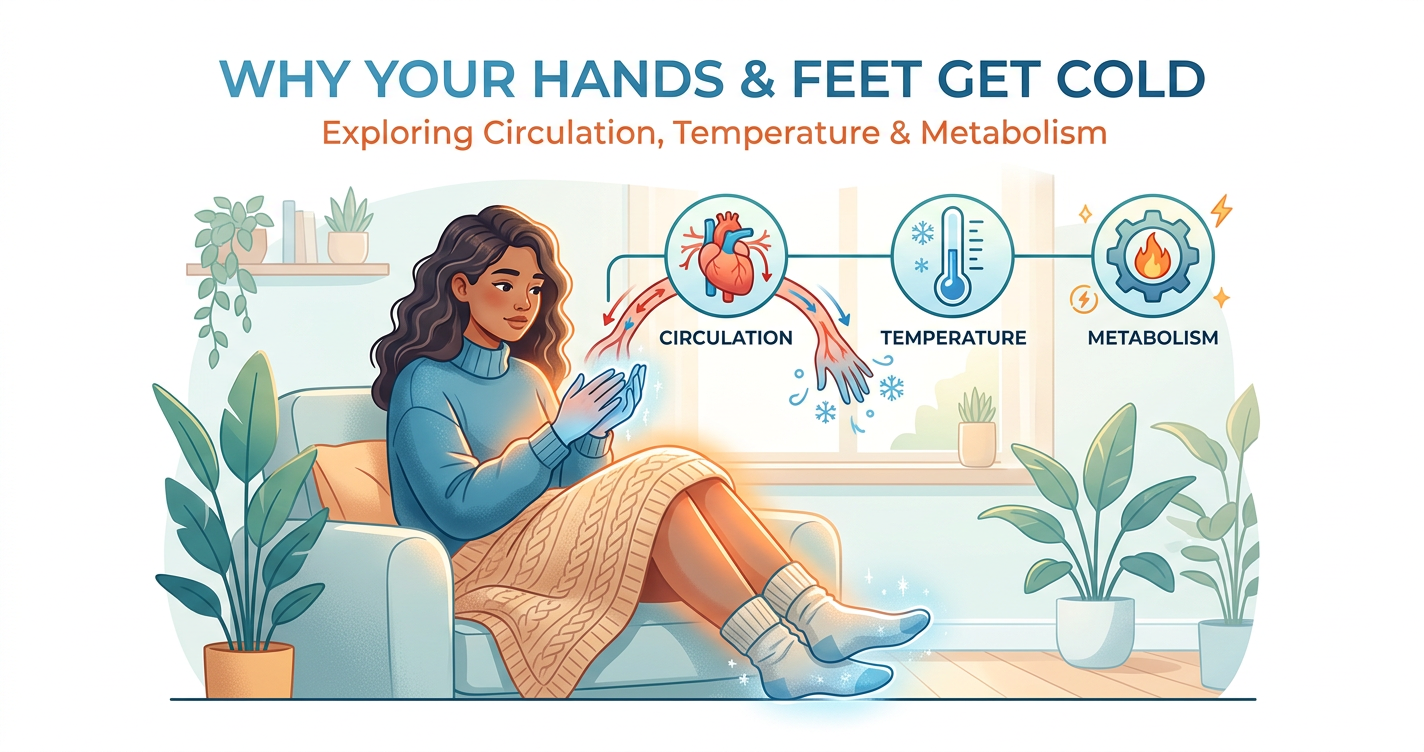
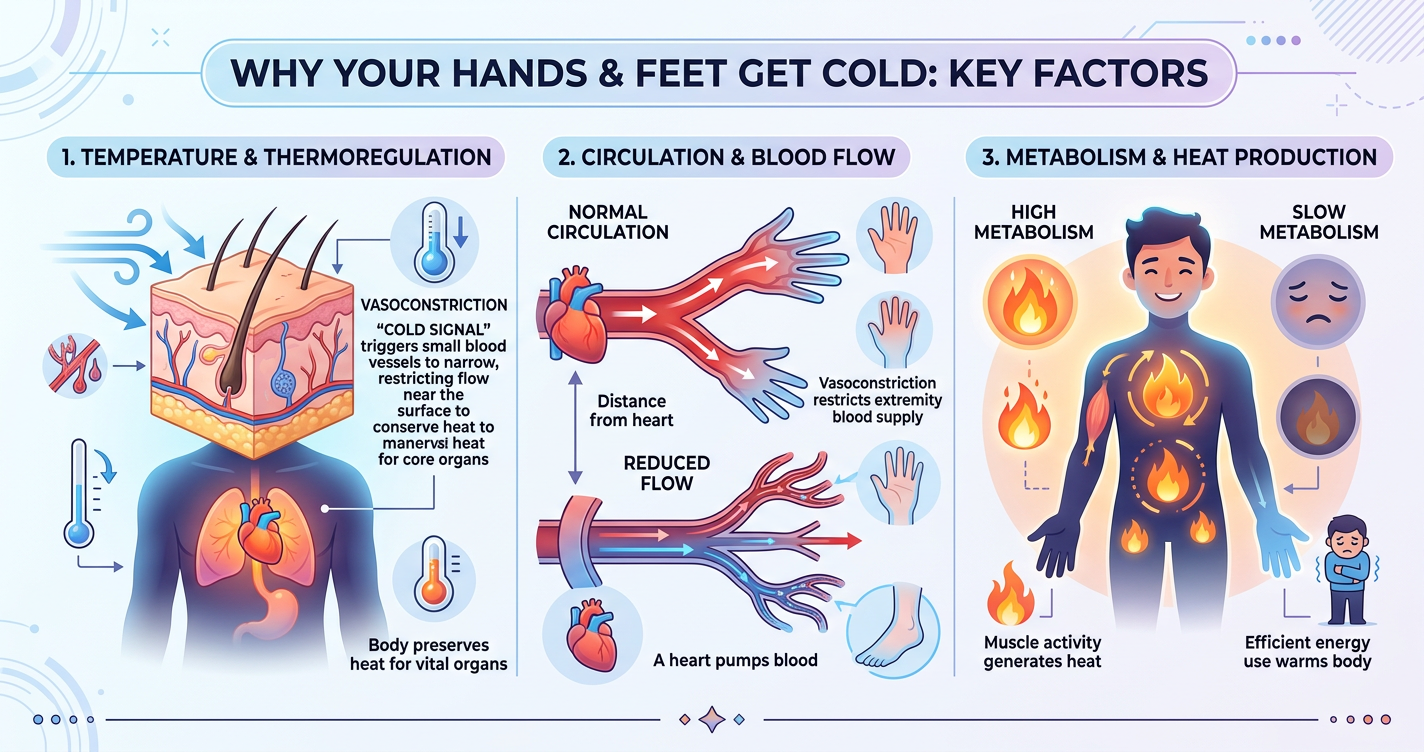
To understand why your fingers and toes are the first to feel the bite of a winter chill, we must first understand the body’s internal hierarchy of survival. Human biology is designed to protect the most critical components of the machine: the heart, brain, lungs, and liver. These organs reside in the core of your body and require a steady, narrow temperature range to function correctly. When your environment drops in temperature, your brain’s hypothalamus—the body’s thermostat—initiates a process called vasoconstriction.
Vasoconstriction is the narrowing of blood vessels, particularly the small capillaries in your extremities. By constricting these vessels, the body reduces blood flow to the skin and limbs, effectively trapping heat in the core where it is needed most. Because hands and feet have a high surface-area-to-volume ratio and are located furthest from the heart, they lose heat more rapidly than any other part of the body. When the blood flow is throttled back to preserve core temperature, the temperature in your hands and feet can drop significantly, leading to that familiar icy sensation.
The Role of Thermal Sensors
Our skin is embedded with thermoreceptors that are hyper-sensitive to changes in the environment. Interestingly, women often experience cold hands and feet more frequently than men. Research suggests that while women tend to have a slightly higher core temperature, their hands are often colder. This may be due to higher levels of estrogen, a hormone that makes the blood vessels more sensitive to cold, leading to more aggressive vasoconstriction even in mildly cool conditions.
Core Preservation: The body shunts blood away from the skin to protect vital organs.
Surface Area: Hands and feet have large surface areas that radiate heat away quickly.
Thermoreceptors: These sensors trigger the "cold" signal to the brain long before the core temperature actually drops.
Circulation and the Transport of Heat
Circulation acts as the body's central heating system, using blood as the medium to transport thermal energy. If your "pipes" are narrow, clogged, or inefficient, the heat simply won't reach the furthest corners of the system. While temporary coldness is a normal response to weather, chronic coldness in the hands and feet often points to underlying circulatory efficiency.
Blood pressure plays a significant role here. If your blood pressure is naturally low, the force required to push blood through the tiny, peripheral capillaries in your toes and fingertips may be insufficient, especially when vasoconstriction is active. Conversely, conditions like peripheral artery disease (PAD) involve the buildup of plaque in the arteries, physically obstructing the path of warm blood. Even lifestyle factors, such as smoking, can cause immediate and long-term damage to the circulatory system; nicotine causes blood vessels to tighten, instantly cooling the extremities.
Raynaud’s Phenomenon: When the System Overreacts
For some individuals, the body’s response to cold isn't just a chill—it's a total shutdown. Raynaud’s Phenomenon is a condition where the small arteries that supply blood to the skin overreact to cold temperatures or stress. During an "attack," the fingers or toes may turn white, then blue, and feel numb or painful. This is an extreme example of how the circulatory system's regulatory mechanisms can become hypersensitive, cutting off nearly all warmth to the limbs in a misguided attempt at protection.
Lifestyle Factors Influencing Flow
Improving circulation isn't just about avoiding the cold; it's about maintaining the elasticity of your vascular system. Regular cardiovascular exercise strengthens the heart, allowing it to pump blood more effectively to the periphery. Furthermore, hydration is critical. Blood is roughly 50% water; dehydration leads to lower blood volume and thicker blood, both of which make it harder for the body to keep the hands and feet warm.
Vascular Elasticity: Healthy arteries expand and contract easily to manage heat.
Hydration: Adequate water intake maintains blood volume for better heat transport.
Movement: Physical activity forces blood into the extremities, reheating them through friction and flow.
Metabolism: The Engine Behind the Heat
If circulation is the delivery system, metabolism is the furnace. Metabolism refers to the chemical processes that occur within a living organism to maintain life, and a significant byproduct of these processes is heat. Every time your cells convert nutrients into energy, they generate thermal energy. If your metabolic rate is low, your body essentially has a smaller furnace, producing less "waste heat" to distribute to your hands and feet.
The thyroid gland is the master controller of your metabolism. It produces hormones that dictate how fast your cells work. Hypothyroidism, or an underactive thyroid, is one of the most common medical reasons for chronic coldness. When the thyroid doesn't produce enough hormones, your metabolic rate slows down, the body produces less heat, and your internal thermostat gets set to a lower level. This often results in a constant feeling of being chilled, regardless of the ambient temperature.
Muscle Mass and Thermogenesis
Another key factor in metabolic heat production is muscle mass. Muscle tissue is metabolically active, meaning it burns calories and generates heat even when you are at rest. This is why individuals with more muscle mass often feel warmer and have better tolerance for cold. Shivering is the body’s emergency metabolic response; it is an involuntary muscle contraction designed to burn energy rapidly to generate heat when the core temperature is threatened.
Nutritional Foundations for Warmth
What you eat also dictates how well you can stay warm. Iron, for instance, is a critical component of hemoglobin, the protein in red blood cells that carries oxygen. Oxygen is the fuel for the metabolic fire. If you are iron-deficient (anemic), your cells can't "burn" energy efficiently, leading to a drop in heat production. Similarly, Vitamin B12 deficiency can lead to neurological issues that cause a sensation of cold or tingling in the limbs, even when the temperature is objectively normal.
Thyroid Health: A healthy thyroid ensures the metabolic furnace is burning at the right intensity.
Iron Intake: Iron is necessary for oxygen transport, which fuels heat-generating reactions.
Caloric Intake: You need enough "fuel" (calories) to keep the metabolic fire burning.
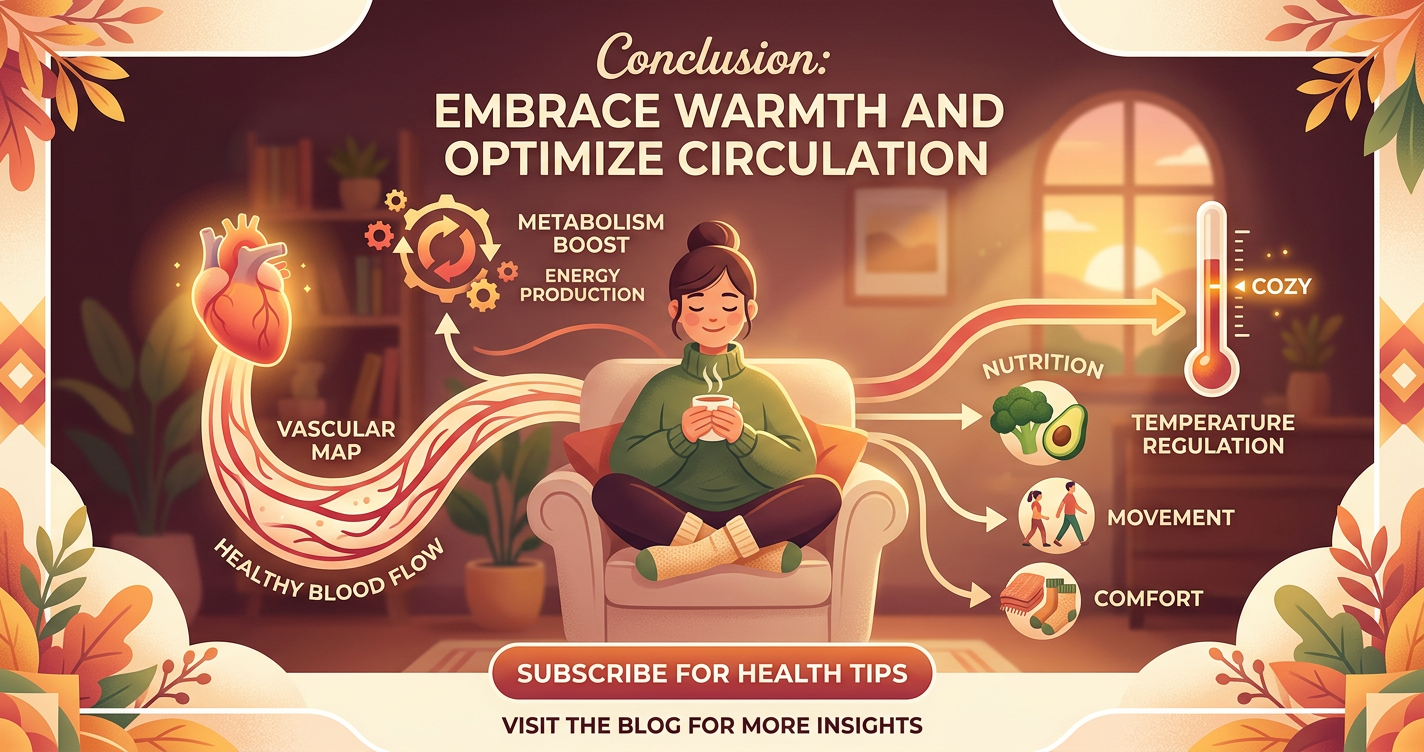
In conclusion, cold hands and feet are a complex intersection of how your body moves blood, how it generates energy, and how it reacts to the world around it. While usually a harmless sign of a functioning survival instinct, persistent iciness is your body's way of asking you to check on your circulation, your nutrition, and your metabolic health.