The Biological Blueprint: Circadian Rhythms and the Post-Lunch Dip
For most office workers and busy professionals, the clock hitting 2:00 PM signals a familiar and frustrating shift. Your focus begins to blur, your eyelids grow heavy, and the motivation that fueled your morning meetings evaporates into a desperate need for a third cup of coffee. While the common instinct is to blame a late night or a poor night’s sleep, the reality is often more complex. Even the most well-rested individuals can experience this slump, largely due to our internal biological architecture.
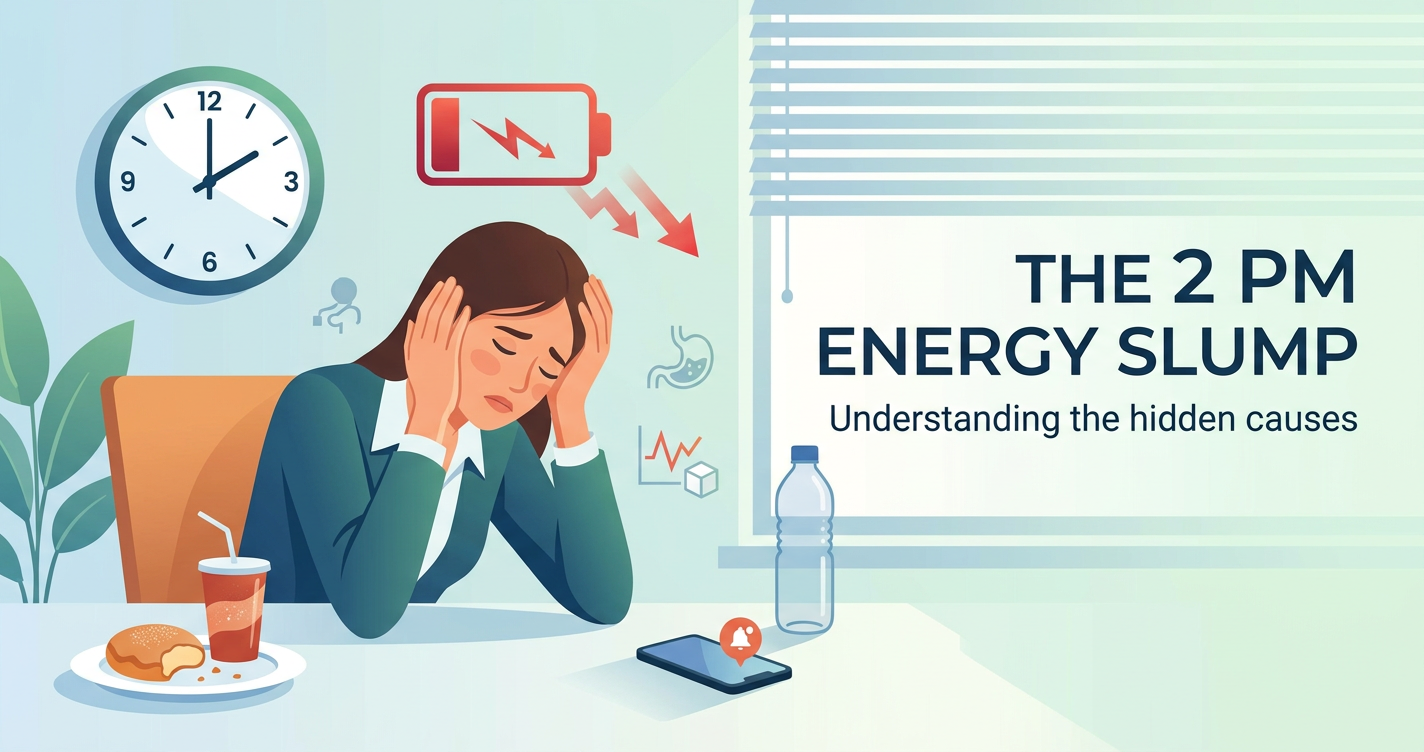
The primary culprit behind this mid-afternoon malaise is the "post-prandial somnolence," colloquially known as the food coma, paired with our natural circadian rhythms. Every human operates on a 24-hour internal clock that regulates sleep-wake cycles. While we are most familiar with the "sleep drive" that kicks in late at night, our bodies actually experience a secondary, albeit smaller, dip in alertness about 12 hours after the midpoint of our nighttime sleep. If you sleep from 11 PM to 7 AM, your "midpoint" is 3 AM. Exactly 12 hours later, at 3 PM, your body naturally initiates a phase of decreased core body temperature and reduced cortisol production.
Furthermore, the "adenosine pressure" in your brain plays a significant role. From the moment you wake up, a chemical called adenosine builds up in your brain. This molecule is responsible for "sleep pressure." By 2 PM, the buildup is significant enough to make you feel drowsy, especially if you haven’t utilized strategies to clear it. When you combine this natural biological dip with the modern office environment—fluorescent lighting, sedentary behavior, and recycled air—the 2 PM crash feels almost inevitable. Understanding that this is a biological feature rather than a personal failure is the first step toward reclaiming your productivity.
The Blood Sugar Rollercoaster: How Your Lunch Dictates Your Afternoon
While biology sets the stage, your nutrition is the lead actor in the afternoon energy drama. Many people find themselves in a vicious cycle of "energy debt" because of the choices they make during their lunch hour. If your typical lunch consists of refined carbohydrates—think white bread sandwiches, pasta dishes, sweetened salads, or a quick grab-and-go muffin—you are essentially setting a timer for a 2 PM crash.
When you consume high-glycemic foods, your blood sugar spikes rapidly. In response, your pancreas pumps out a massive dose of insulin to shuttle that glucose into your cells. This often results in an "overshoot," where your blood sugar drops lower than it was before you ate. This state, known as reactive hypoglycemia, triggers symptoms of fatigue, brain fog, and irritability. To make matters worse, the brain relies almost exclusively on glucose for energy; when levels dip, your cognitive functions are the first to suffer.
To stabilize your energy levels, you must focus on blood sugar management. Consider the following dietary shifts to bypass the crash:
Prioritize Protein: Protein stimulates the release of glucagon, a hormone that counteracts insulin and keeps blood sugar steady.
Incorporate Healthy Fats: Fats slow down the gastric emptying process, meaning the sugar from your meal enters your bloodstream much more slowly.
Fiber is Non-Negotiable: Soluble fiber creates a gel-like substance in the gut that acts as a buffer, preventing rapid glucose absorption.
The Order of Operations: Research suggests that eating your vegetables and proteins before your carbohydrates can significantly reduce the insulin spike of a meal.
Hydration also plays a silent but pivotal role. Even mild dehydration can lead to a drop in blood volume, which means your heart has to work harder to pump oxygen to your brain. By the time you feel thirsty, you are already cognitively impaired. Many people mistake the fatigue of dehydration for hunger or a need for caffeine, leading to a cycle of over-snacking or over-caffeinating that only worsens the eventual crash.

Beyond the Plate: Environmental and Lifestyle Triggers of Fatigue
If your sleep is adequate and your lunch is balanced, but you are still struggling to stay awake at 2 PM, it is time to look at your environment. Our modern work habits are often diametrically opposed to what our bodies need to maintain high energy. One of the most overlooked factors is "CO2 buildup." In enclosed office spaces or home offices with poor ventilation, carbon dioxide levels can rise significantly throughout the morning. High concentrations of CO2 have been scientifically linked to decreased cognitive function and increased sleepiness.
Another critical factor is light exposure—specifically the lack of it. Our circadian rhythms are anchored by blue light from the sun. If you spend your entire morning in a dimly lit room or under artificial lights that don't mimic the solar spectrum, your brain may begin producing melatonin (the sleep hormone) prematurely. Getting just ten minutes of direct sunlight before noon can "set" your internal clock, making you more resilient to the afternoon dip.
Finally, we must address the "Caffeine Trap." Many professionals rely on a cup of coffee immediately upon waking. However, caffeine works by blocking adenosine receptors, not by actually removing the adenosine. When that caffeine wears off—usually around 6 to 8 hours later—all that stored-up adenosine floods the receptors at once. This creates a "caffeine crash" that perfectly aligns with the 2 PM biological dip. By delaying your first cup of coffee until 90 to 120 minutes after waking, you allow your body to naturally clear adenosine, leading to a much smoother energy profile throughout the day.
To combat these environmental factors, try implementing these habits:
The 2 PM Movement Break: Five minutes of brisk walking or stretching can increase blood flow to the brain and reset your focus.
Strategic Hydration: Aim to drink 16 ounces of water for every cup of coffee consumed to maintain blood volume.
Open a Window: If possible, circulate fresh air to reduce CO2 levels and refresh your respiratory system.
View Natural Light: Step outside or sit by a window during your lunch break to suppress midday melatonin production.
By addressing the combination of biological timing, nutritional choices, and environmental stressors, you can move past the 2 PM crash and maintain a steady, productive energy level until the end of your workday. It isn't always about how much you sleep; it's about how you manage the energy you have.