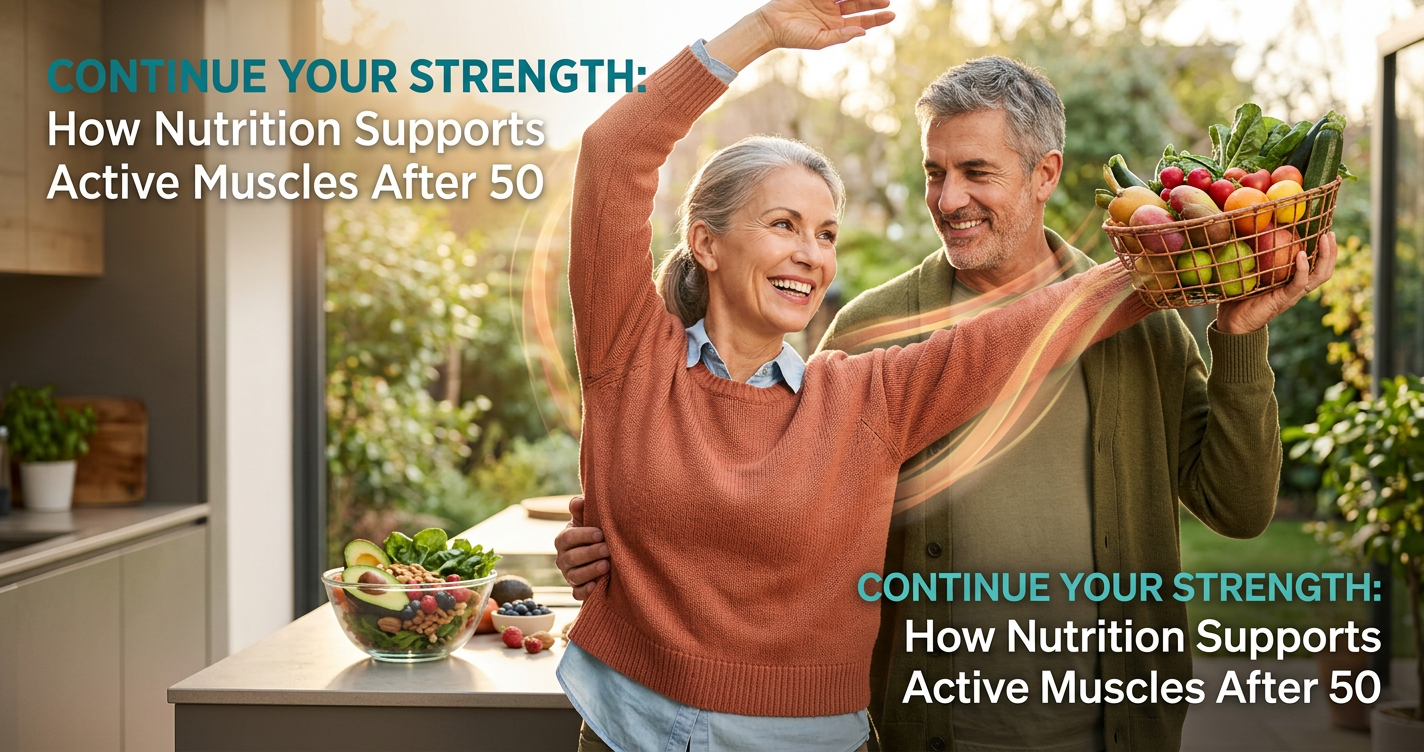
The Biological Reality: Understanding Sarcopenia and Muscle Decline
As we cross the threshold of 50, our bodies undergo a subtle yet profound transformation. While many people focus on graying hair or fine lines, the most significant change is happening beneath the skin, within our muscle fibers. This process is medically known as sarcopenia—the age-related loss of skeletal muscle mass and function. It is not merely a matter of vanity or losing a "toned" appearance; it is a fundamental shift in our biological makeup that can impact our independence, metabolic health, and overall quality of life.
Research suggests that after the age of 30, we begin to lose as much as 3% to 5% of our muscle mass per decade. Once we hit 50, this decline often accelerates. The reasons are multifaceted. Our bodies become less efficient at processing the signals that tell muscles to grow, a phenomenon called anabolic resistance. Additionally, hormonal shifts—such as decreasing testosterone in men and estrogen in women—play a pivotal role in how our bodies maintain lean tissue. If left unchecked, this decline leads to frailty, a higher risk of falls, and a slower metabolism, which often results in unwanted weight gain.
However, the narrative of inevitable decline is one we must challenge. While aging is a natural process, the rate at which we lose muscle is largely within our control. By understanding that our muscles are "use it or lose it" organs, we can begin to implement strategies that pivot from passive aging to active vitality. The cornerstone of this defense is a two-pronged approach involving strategic physical resistance and, perhaps more importantly, precision nutrition. Understanding the science of muscle protein synthesis is the first step toward reclaiming your physical peak.
The Power of Nutrition: Fueling Muscle Protein Synthesis
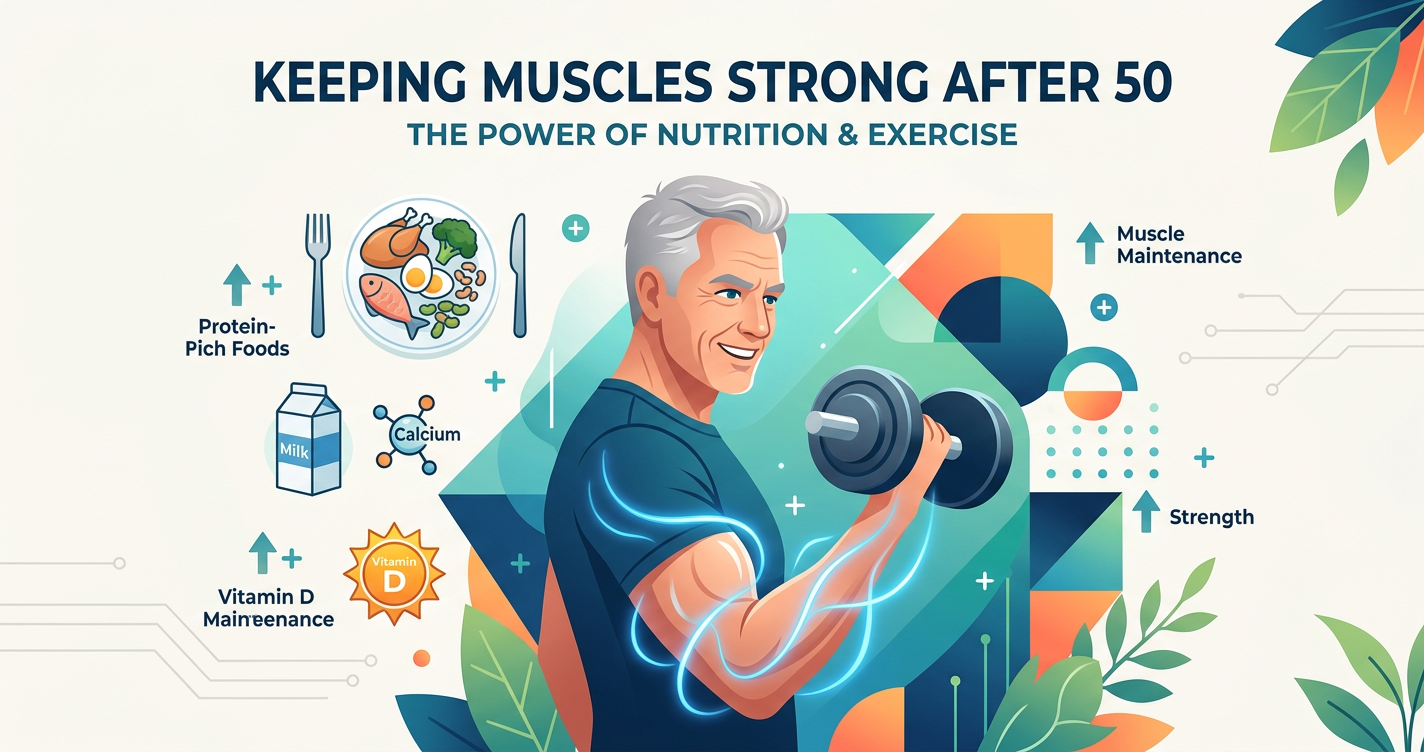
If exercise is the architect of muscle maintenance, then nutrition is the raw material. To combat the effects of aging, we must move beyond the basic idea of "eating healthy" and focus on specific nutritional interventions that prioritize muscle health. The most critical component in this equation is protein. For the over-50 demographic, protein is no longer just another macronutrient; it is a therapeutic tool. Because of the aforementioned anabolic resistance, older adults actually require more protein than their younger counterparts to stimulate the same amount of muscle growth.
The Importance of Protein Distribution
It isn't just about how much protein you eat in a day, but how you distribute it. Many people follow a "back-loaded" eating pattern, consuming a small breakfast, a moderate lunch, and a massive protein-heavy dinner. To optimize muscle health after 50, experts recommend a "bolus" approach. Aiming for 25 to 30 grams of high-quality protein at each meal ensures that your body has a consistent supply of amino acids to trigger muscle protein synthesis throughout the day.
Key Nutrients for Muscle Recovery
Leucine: This specific amino acid acts as the "on switch" for muscle building. It is found in high concentrations in whey protein, Greek yogurt, lean meats, and soy.
Vitamin D: Often overlooked, Vitamin D is essential for muscle contraction and strength. Low levels are frequently linked to muscle weakness and an increased risk of falls in older adults.
Omega-3 Fatty Acids: Found in fatty fish and flaxseeds, these healthy fats help combat the chronic low-grade inflammation that can contribute to muscle breakdown.
Creatine: While often associated with bodybuilders, creatine is one of the most researched supplements for older adults, helping to improve muscle power and cognitive function.
Adopting a nutrition-first mindset means viewing every meal as an opportunity to protect your physical foundation. By prioritizing high-quality proteins and supporting nutrients, you create an internal environment where muscle tissue can thrive despite the passing years. This proactive stance on nutrition is the most effective way to ensure your body remains a capable vessel for the life you want to lead.
Synergy in Action: Combining Diet and Movement for Longevity
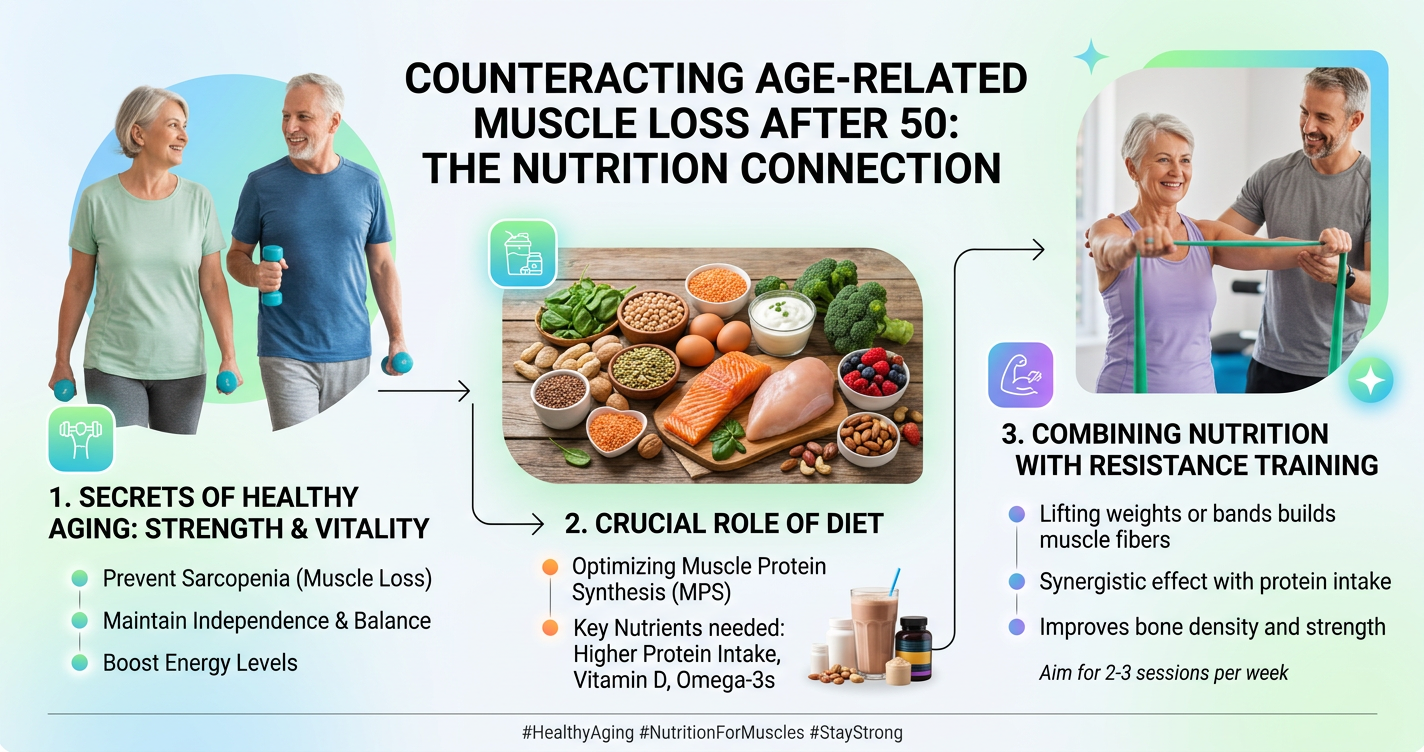
While nutrition provides the bricks, movement provides the blueprint. To truly stop and reverse muscle loss after 50, you must combine your nutritional strategy with resistance training. The synergy between these two pillars is what creates a "youthful" metabolic profile. When you lift weights or engage in bodyweight exercises, you create micro-tears in the muscle. When you follow that effort with a protein-rich meal, your body repairs those tears, making the muscle stronger and more resilient than before.
The Metabolic Advantage of Muscle
Maintaining muscle is one of the most effective ways to ensure long-term metabolic health. Muscle tissue is metabolically expensive, meaning it burns more calories at rest than fat tissue does. By preserving your muscle mass, you keep your resting metabolic rate high, which makes it significantly easier to manage your weight as you age. Furthermore, healthy muscle acts as a "glucose sink," helping to regulate blood sugar levels and reducing the risk of Type 2 diabetes, a condition that becomes increasingly common in later life.
Building a Sustainable Lifestyle
The goal is not to become a competitive athlete, but to build a sustainable lifestyle that honors your body's needs. This includes:
Engaging in resistance training at least two to three times per week.
Staying hydrated, as dehydration can impair muscle function and recovery.
Prioritizing sleep, which is when the majority of muscle repair and hormonal regulation occurs.
Consistently choosing whole, nutrient-dense foods over processed options to minimize inflammation.
Aging with grace and strength is a choice. It requires a departure from the sedentary habits that society often deems "normal" for older adults. By embracing a targeted nutrition plan and staying physically active, you aren't just adding years to your life; you are adding life to your years. You have the power to redefine what it means to be over 50, turning a period of potential decline into a season of strength, resilience, and renewed vitality. Start today by making your next meal a protein-rich investment in your future self.