Let’s be real: most of us are currently living in a committed relationship with ultra-processed foods. Whether it’s that bag of neon-orange chips that calls your name at 3:00 PM or the frozen pizza that saves your life on a Tuesday night, these foods are designed to be irresistible. They are cheap, convenient, and engineered by scientists to hit our "bliss point." But have you ever wondered what would happen if you just… stopped? If you traded the crinkle of plastic wrappers for the crisp snap of an apple or the sizzle of a home-cooked steak for 30 days?
Stepping away from ultra-processed foods (UPFs) isn't just about "going on a diet." It’s a total biological reset. When you cut out these industrially manufactured products—which often contain ingredients you wouldn’t find in a home kitchen, like emulsifiers, leavening agents, and residual pesticides—your body undergoes a series of fascinating, and sometimes intense, changes. From the way your brain processes dopamine to the microscopic environment of your gut, here is a deep dive into the 30-day journey of quitting ultra-processed foods.
The First Week: The Detox, The Cravings, and The Brain Fog
The first seven days are, quite frankly, the hardest. This is when the "honeymoon phase" of your new healthy lifestyle meets the cold, hard reality of chemical dependency. You see, ultra-processed foods are designed to trigger a massive dopamine release in the brain. When you stop eating them, your brain starts demanding its fix. This isn't just a lack of willpower; it’s a physiological response often referred to as "the withdrawal phase."
The Dopamine Crash
In the first few days, you might feel irritable, tired, or even experience "brain fog." This happens because your brain is recalibrating. UPFs are typically high in refined sugars and unhealthy fats, which provide a quick hit of energy followed by a sharp crash. Without these spikes, your body has to learn how to burn more stable fuel sources. During this time, you might find yourself thinking about cookies or salty snacks more than usual. Hang in there; your taste buds are actually starting to heal.
Inflammation and Water Weight
Ultra-processed foods are notorious for their high sodium content and inflammatory oils (like soybean or cottonseed oil). Within the first 48 to 72 hours of quitting these foods, your body begins to shed excess water weight. You’ll likely notice that the puffiness in your face and hands starts to subside. This is because your kidneys are no longer struggling to process a massive salt load, allowing your fluid levels to balance out. While this isn't necessarily "fat loss" yet, it’s a sign that internal inflammation is beginning to cool down.
Sleep Disturbances and Stabilization
Strangely enough, your sleep might be a bit wonky in the first week. Without the heavy dose of additives and hidden sugars that can interfere with melatonin production, your body is trying to find its natural rhythm. However, by the end of week one, many people report falling asleep faster. You’re no longer dealing with late-night sugar spikes that keep your heart rate elevated while you're trying to drift off.
Tip for Week 1: Hydrate aggressively. Drinking water helps flush out excess sodium and can mitigate the headaches associated with sugar withdrawal.
Focus on: Whole fruits like berries to satisfy the sweet tooth without the insulin spike.
Expect: To feel a bit grumpy. Warn your roommates or partner!
Days 8-20: The Energy Surge and The Gut Microbiome Shift
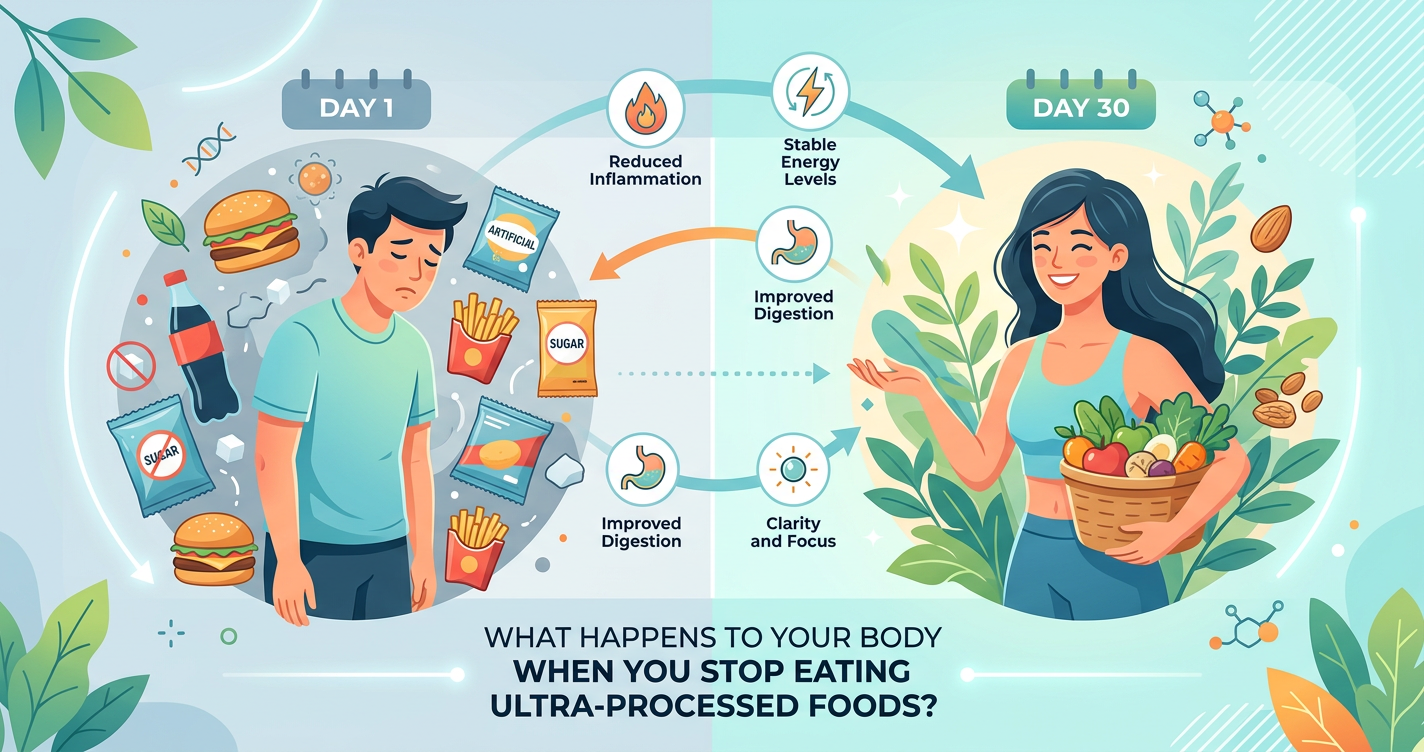
If the first week is about survival, the middle two weeks are about revival. This is where the magic starts to happen. By day ten, the "fog" usually lifts, and you’ll start to notice a level of steady energy you haven't felt in years. You no longer hit that 2:00 PM slump where you feel like you need a nap or a third cup of coffee just to survive the workday.
Healing the Gut Lining
One of the most significant changes happening during this period is in your gut microbiome. Ultra-processed foods are often devoid of fiber and packed with emulsifiers (like carboxymethylcellulose or polysorbate 80) that can thin the protective mucus layer of your intestines. By replacing these with whole foods—think leafy greens, beans, nuts, and whole grains—you are essentially "fertilizing" the good bacteria in your gut. As these beneficial bacteria multiply, they produce short-chain fatty acids that help repair the gut lining and reduce systemic inflammation.
Stable Blood Sugar, Stable Moods
Between days 8 and 20, your insulin sensitivity begins to improve. When you eat whole foods, the fiber slows down the absorption of sugar into your bloodstream. This prevents the "rollercoaster" effect of high highs and low lows. As a result, your mood becomes much more stable. You might find that you’re less reactive to stress and that your "hangry" episodes become a thing of the past. Your body is becoming metabolically flexible, learning how to use stored fat for energy between meals instead of demanding a snack every two hours.
Skin Clarity and Brightness
Have you ever noticed a breakout after a weekend of eating fast food? That’s not a coincidence. High-glycemic foods and dairy-heavy processed snacks are linked to acne and skin dullness. Around day 15, many people notice their skin looks clearer and more "glowy." This is a outward reflection of the reduced internal inflammation and better hydration levels. Your skin cells are finally getting the micronutrients (like Vitamin C, E, and Zinc) they need to regenerate effectively.
The Satiety Signal: You’ll notice you feel full faster. Whole foods contain fiber and protein that trigger the release of hormones like leptin, telling your brain you’ve had enough.
Improved Digestion: Say goodbye to bloating. As your gut heals, your digestion becomes more efficient, though you might experience some temporary gas as your body adjusts to the increased fiber.
Flavor Perception: You’ll start to notice that a plain almond or a slice of bell pepper tastes surprisingly sweet. Your taste buds are no longer being blunted by artificial flavor enhancers like MSG.
The Final Stretch: Days 21-30 and Long-Term Metabolic Changes
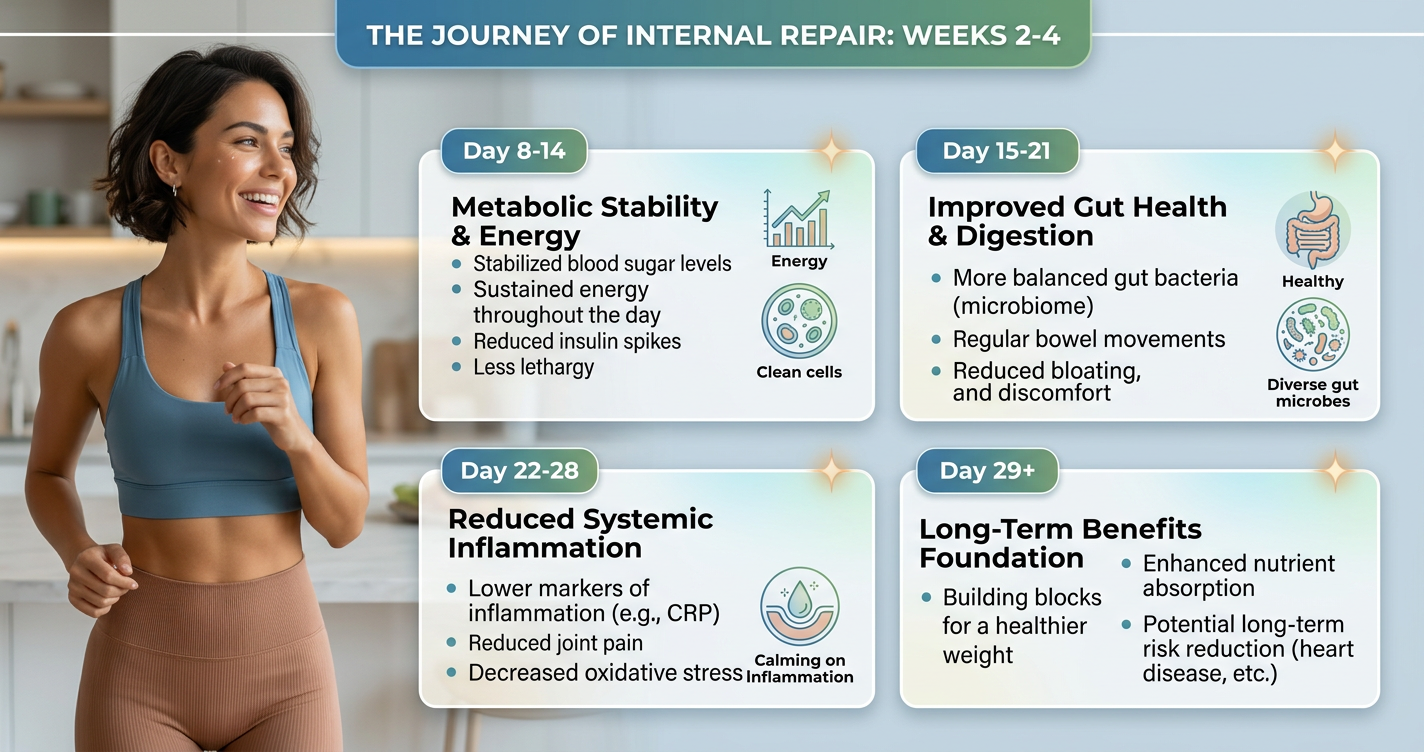
By the time you reach the final week, you aren't just "trying out" a new way of eating; you’ve essentially reprogrammed your body's operating system. The cravings that felt insurmountable in week one are now likely gone, or at least very quiet. This is the stage where the long-term health benefits really start to solidify.
Redefining Your "Set Point"
Research suggests that ultra-processed foods can actually mess with our brain's ability to regulate weight. They bypass our natural fullness signals, leading to overconsumption. By day 30, your brain’s hypothalamus—the part that controls hunger—is much more in tune with your body’s actual energy needs. Many people find they have lost weight without even trying to count calories, simply because they are eating nutrient-dense foods that naturally limit overeating.
Heart Health and Blood Pressure
Internally, your cardiovascular system is breathing a sigh of relief. A month without the trans fats and excessive sodium found in processed meats and packaged snacks can lead to a measurable drop in blood pressure and improved cholesterol profiles. Your arteries are less constricted, and your heart doesn't have to work as hard to pump blood throughout your body. This lowers your long-term risk for heart disease and stroke.
Mental Clarity and Longevity
Perhaps the most profound change is the mental one. Many people report a sense of "lightness" and improved cognitive function. Studies have shown a strong link between high UPF consumption and increased risks of anxiety and depression. By removing these triggers, you’ve given your mental health a significant boost. You feel more in control of your choices, and the psychological "grip" that food had over you has loosened.
What Happens Next?
So, what happens on Day 31? The goal of a 30-day reset isn't necessarily to never eat a fry again. It’s to show you how good you can feel. Most people find that after 30 days, they don't even want the old stuff anymore—or if they do eat it, they notice immediately how sluggish it makes them feel. You’ve built a new baseline of health that makes it much easier to follow the 80/20 rule: eating whole, real foods 80% of the time and enjoying the occasional treat without it spiraling into a month-long bender.
The Verdict: Your body is resilient. In just 30 days, you can reverse years of sluggishness and inflammation.
Key Takeaway: Focus on what you’re adding (nutrients, fiber, flavor) rather than just what you’re taking away.
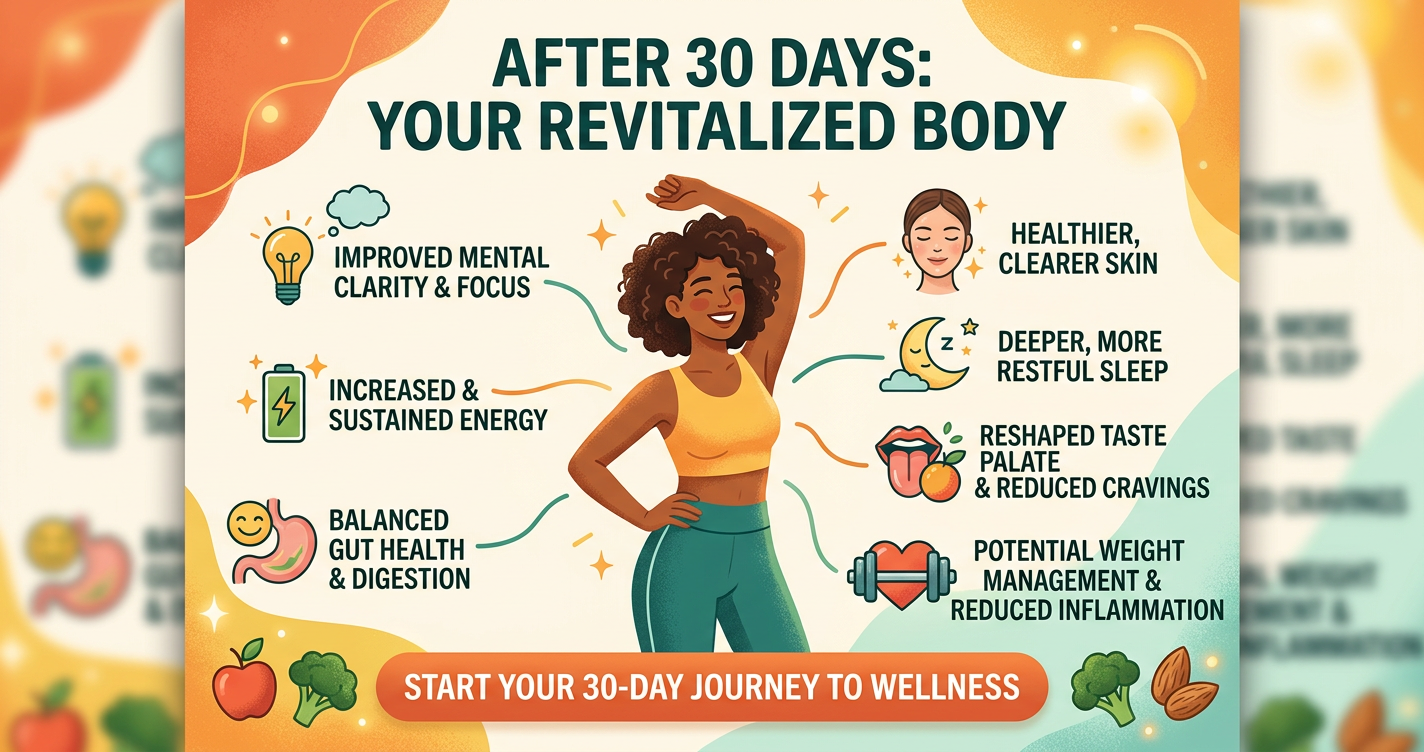
Final Result: Better sleep, clearer skin, steady energy, and a much happier gut.
Taking the leap to quit ultra-processed foods for a month is one of the kindest things you can do for your body. It’s not just about looking better in the mirror; it’s about giving your cells the high-quality fuel they need to keep you vibrant, sharp, and healthy for the long haul. Are you ready to see what your body is truly capable of?