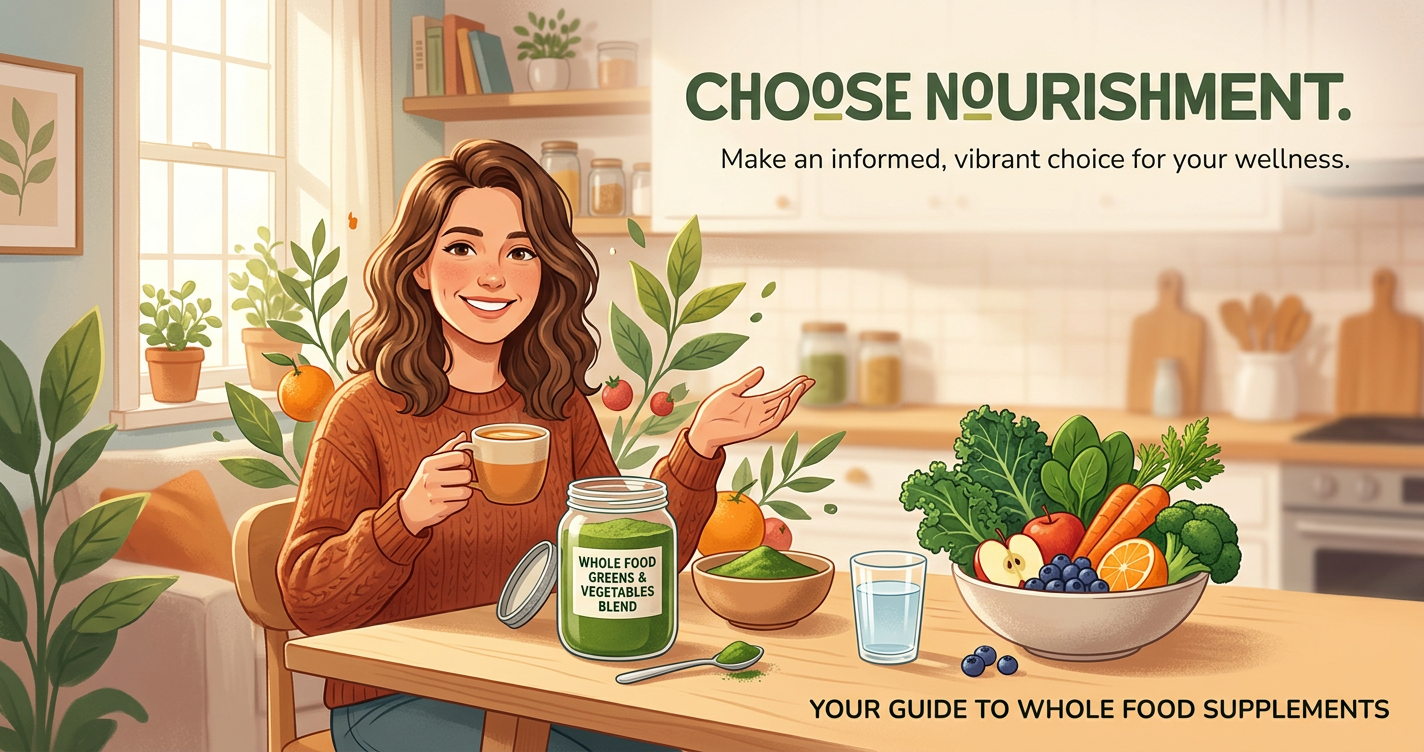
Demystifying the "Whole Food" Label: Beyond the Marketing Hype
In an era where the supplement aisles are overflowing with neon-colored powders and synthetic capsules promising eternal vitality, a new category has risen to dominance: whole food supplements. But as you stand in the health food aisle, clutching a bottle of greens powder or a fruit and veggie blend, you might find yourself asking a fundamental question: What does “whole food supplement” actually mean, and why should I care? The answer lies in the profound difference between a laboratory-isolated chemical and the complex, synergistic power of nature.
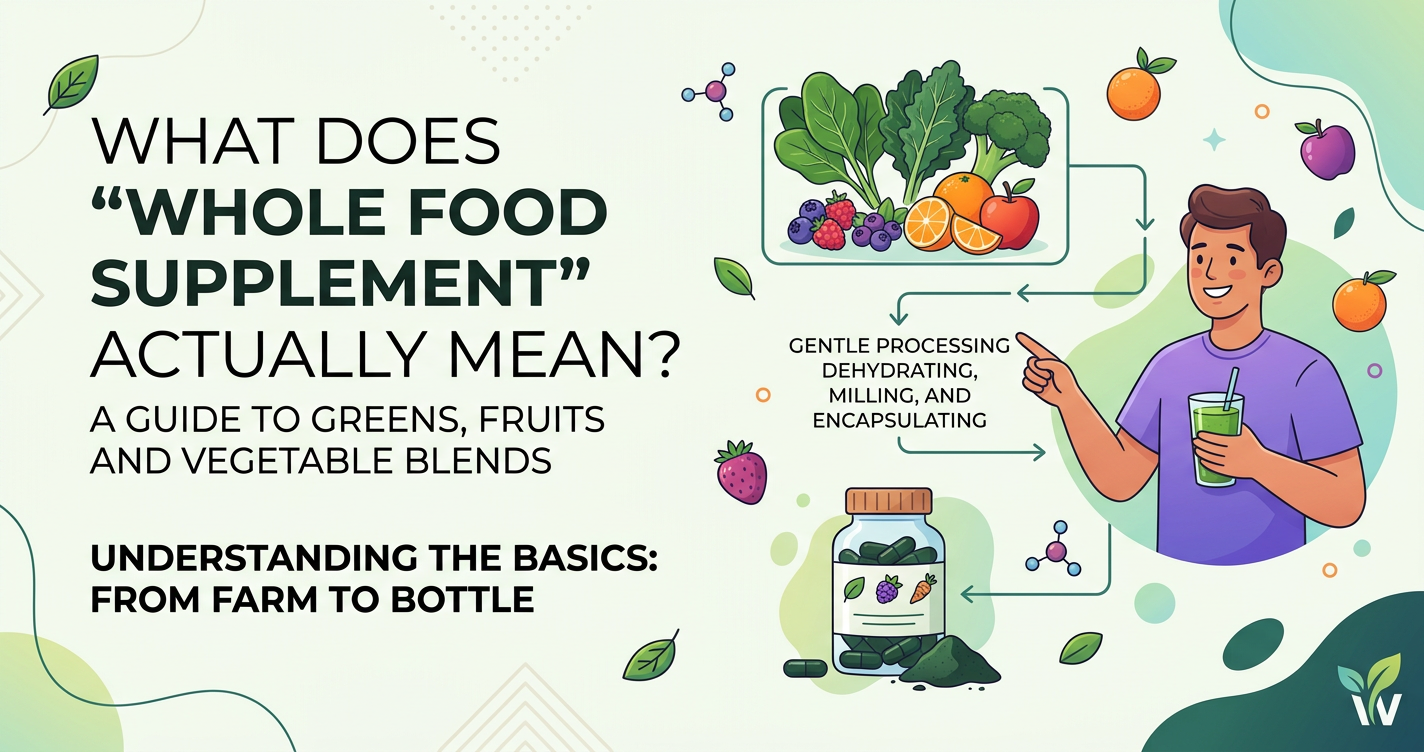
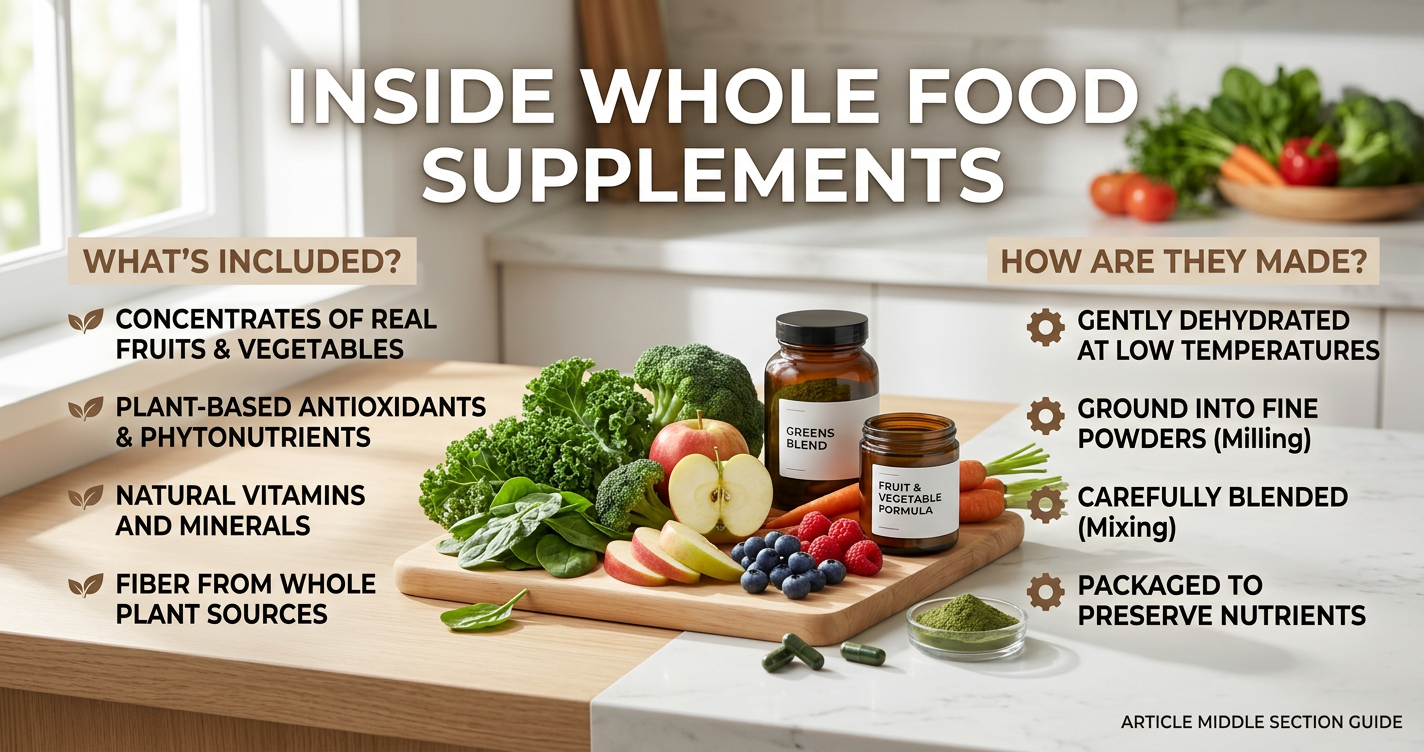
At its core, a whole food supplement is exactly what it sounds like—a nutritional product derived from actual, recognizable food sources. Unlike traditional multivitamins, which are often synthesized in a lab to mimic the molecular structure of vitamins, whole food supplements are made by dehydrating and concentrating real fruits, vegetables, and botanical greens. The goal is to preserve the intricate web of nutrients that nature intended us to consume, rather than stripping them down to a single, isolated element.
Consider the humble orange. A synthetic supplement might offer you 500mg of ascorbic acid (Vitamin C). While this is chemically similar to the Vitamin C found in the fruit, it lacks the bioflavonoids, fibers, and trace minerals that accompany Vitamin C in a real orange. These "co-factors" are not just filler; they are the biological keys that unlock the vitamin's potential within the human body. When we talk about whole foods, we are talking about biological complexity. A whole food supplement attempts to capture this complexity by using processes like cold-pressing, freeze-drying, or low-heat dehydration to ensure that the delicate enzymes and phytonutrients remain intact from the farm to the bottle.
The Synergy of Nature vs. The Isolation of the Lab
One of the most persuasive arguments for choosing whole food supplements over synthetic alternatives is the concept of food synergy. Research increasingly suggests that nutrients work better together than they do in isolation. For example, the fat-soluble vitamins (A, D, E, and K) require dietary fats for proper absorption. In a fruit and veggie blend derived from whole sources, these vitamins are often packaged alongside the natural oils and fibers found in the original plant, creating a built-in delivery system for your cells.
Furthermore, the bioavailability of whole food sources is typically superior. Our bodies have evolved over millions of years to recognize and process food, not chemical isolates. When you ingest a greens supplement made from spirulina, chlorella, and kale, your digestive system identifies these as food. The body can regulate the absorption more effectively, taking what it needs and discarding the rest, which minimizes the risk of nutrient toxicity—a common concern with high-dose synthetic fat-soluble vitamins.
The Power of Greens: Why Concentrated Alkalinity Matters
When people dive into the world of whole food supplementation, the first place they usually land is the "greens" category. These products, often sold as vibrant emerald powders, are concentrated powerhouses of chlorophyll, minerals, and alkalizing agents. But why are they so central to the whole food movement? The modern diet is notoriously acidic, heavy in processed grains, sugars, and factory-farmed meats. A high-quality greens supplement acts as a nutritional counterbalance, helping to restore the body’s pH balance and support detoxification pathways.
A true greens blend isn't just grass clippings in a jar. It typically features a sophisticated mix of cereal grasses (like wheatgrass and barley grass), algae (such as spirulina and chlorella), and leafy greens (like spinach and kale). These ingredients are rich in phytonutrients that are difficult to get in high enough quantities through standard meals alone. For instance, sulforaphane found in cruciferous vegetables is a potent activator of the body's antioxidant defenses, yet many people struggle to eat the three to four cups of raw broccoli required to see significant benefits. A whole food supplement provides a concentrated dose of these protective compounds without the digestive distress of eating massive quantities of raw fiber.
Chlorophyll: The Blood of Plants
The defining characteristic of greens is chlorophyll. Often referred to as "plant blood" because its molecular structure is remarkably similar to human hemoglobin (with magnesium at the center instead of iron), chlorophyll is a legendary detoxifier. It helps the liver process toxins and supports the oxygen-carrying capacity of the blood. By utilizing whole food supplements that prioritize cold-processed greens, you are essentially giving your internal systems a daily "cleanse" that is gentle, sustainable, and grounded in biological science.
Improved Digestion: Most greens blends include digestive enzymes and probiotics that naturally occur in fermented or raw plant materials.
Energy Without the Crash: Unlike caffeine, the energy from greens comes from nutrient density and improved cellular oxygenation.
Skin Health: The high antioxidant content helps combat oxidative stress, which is a primary driver of premature aging and skin inflammation.
However, it is vital to look at the sourcing. A whole food supplement is only as good as the soil it grew in. This is why many advocates for whole foods look for organic certification and non-GMO labels. Because these products are concentrated, any pesticides or herbicides present on the original crop will also be concentrated in the final powder. Persuasive health consumers demand transparency in the supply chain, ensuring that their quest for health isn't inadvertently introducing toxins into their system.
Bridging the Gap: Fruit and Veggie Blends for the Modern Life
We’ve all heard the recommendation: five to nine servings of fruits and vegetables every single day. Yet, for the vast majority of busy professionals and families, this goal remains elusive. This is where fruit and veggie supplements become an essential tool for modern wellness. They are not a replacement for a healthy diet, but rather a "nutritional insurance policy" that bridges the gap between what we should eat and what we actually manage to consume between meetings, school runs, and gym sessions.
The genius of a whole food fruit and vegetable blend lies in its diversity. In a single scoop or a few capsules, you can consume the essence of thirty or more different plants. This diversity is crucial for the gut microbiome. Our gut bacteria thrive on a wide variety of plant fibers and polyphenols. By providing a broad spectrum of whole foods, you are feeding the beneficial microbes that govern everything from your immune system to your mental health.
The Importance of Polyphenols and Anthocyanins
One of the primary benefits of fruit-based supplements is the concentration of polyphenols. These are the compounds that give blueberries their deep purple hue and raspberries their vibrant red. Anthocyanins, a specific type of polyphenol, are celebrated for their ability to support cardiovascular health and cognitive function. In a whole food supplement, these pigments are preserved. If you open a capsule and see a dull, brownish gray powder, chances are the nutrients have been oxidized or the product is synthetic. A high-quality fruit and veggie blend will retain the vibrant colors of the original produce, signaling the presence of active phytonutrients.
Moreover, these supplements address the "hidden hunger" often found in the Western world. Even individuals who consume enough calories can be malnourished if those calories are devoid of micronutrients. Whole food blends provide the trace minerals—molybdenum, manganese, selenium—that are often depleted in modern industrial soil but are still present in high-quality, diversely sourced plant supplements. By reintroducing these elements, many people report a significant reduction in cravings, as the body is finally receiving the micronutrients it was searching for.
Making the Choice: How to Identify Quality
When you are ready to invest in your health, how do you choose the right supplement? The marketing can be deceptive. Here are the hallmarks of a legitimate whole food product:
No "Label Padding": Look for brands that list the actual food names (e.g., "Organic Cranberry Fruit") rather than just the chemical name (e.g., "Ascorbic Acid").
Low-Heat Processing: Heat kills enzymes. Ensure the company uses raw, cold-pressed, or freeze-dried methods.
Transparency: The best supplements will provide third-party testing results for heavy metals and purity.
Absence of Fillers: A true whole food blend doesn't need maltodextrin, artificial flavors, or excessive sweeteners to be effective.
Ultimately, choosing a whole food supplement is a commitment to the wisdom of nature. It is an acknowledgment that we are biological beings who require complex, living nutrition to thrive. Whether you are looking to boost your energy with greens or protect your long-term health with fruit and veggie blends, moving toward whole foods is a step away from the artificial and a step toward authentic vitality. Your body knows the difference—it’s time you did too.