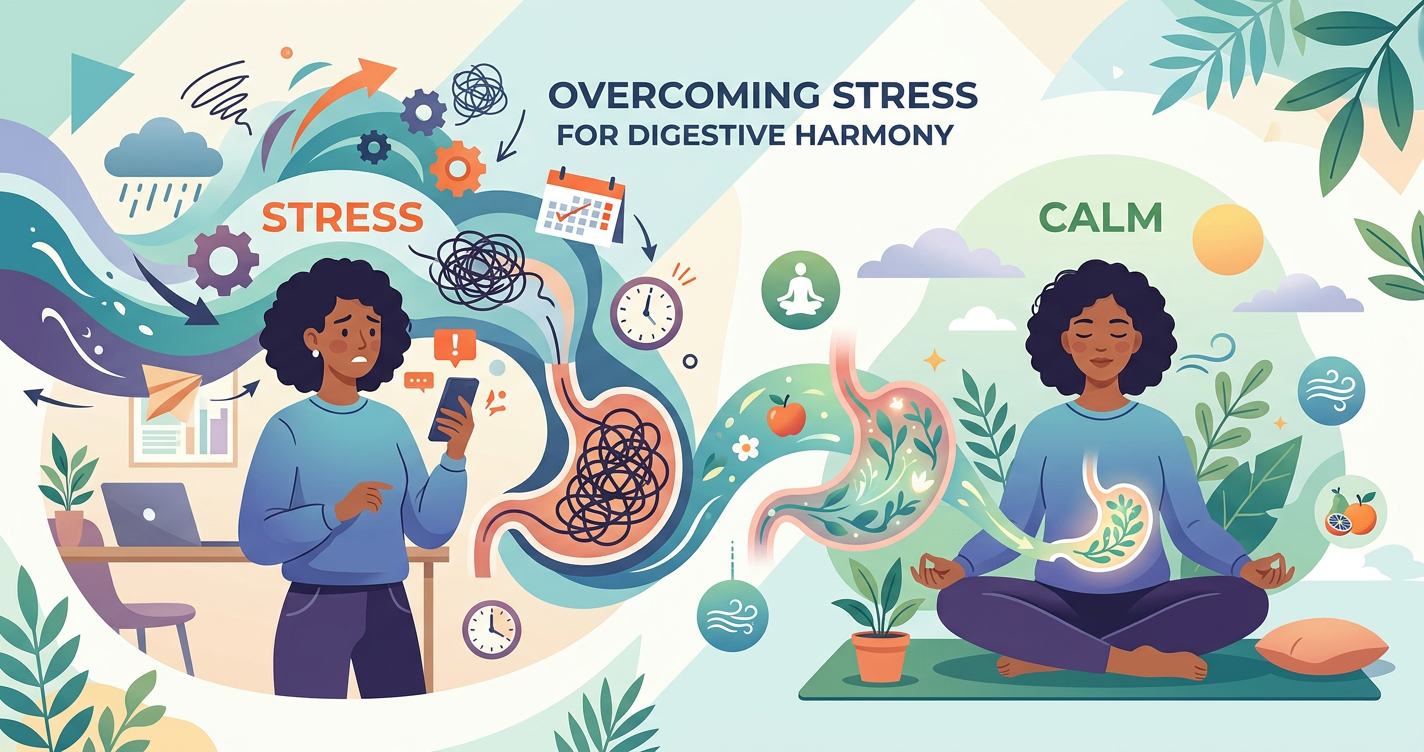
Have you ever felt "butterflies" in your stomach before a big presentation? Or maybe you’ve noticed that after a particularly grueling week at the office, your digestion seems to go completely haywire? If so, you aren’t imagining things. There is a profound, biological link between your brain and your belly, and when your stress levels spike, your digestive system is often the first to pay the price. In our fast-paced modern world, we often treat psychological stress and physical health as two separate entities, but your gut doesn't see it that way. To your body, a stressful email from your boss can trigger the same physiological response as being chased by a predator.
The Biology of the Brain-Gut Connection
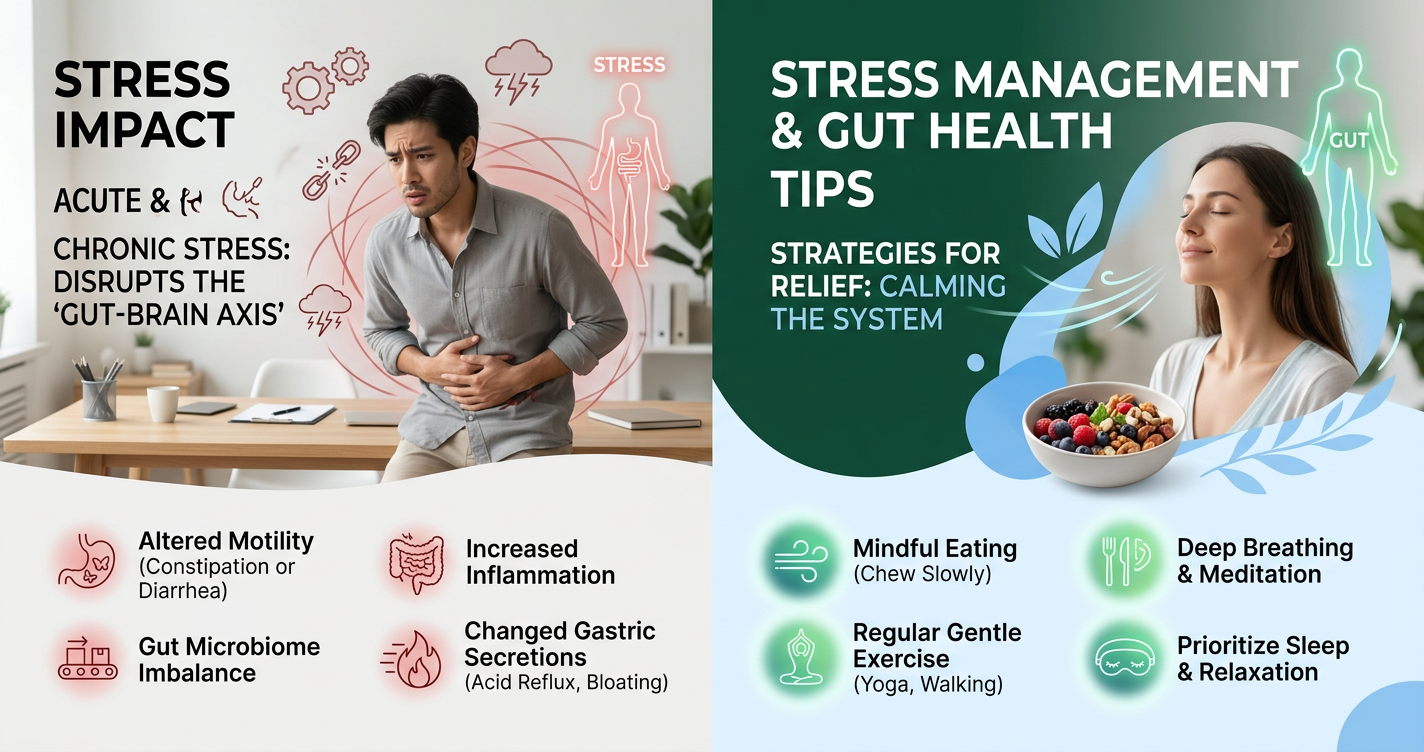
To understand why stress wreaks havoc on your digestion, we first have to look at the "gut-brain axis." This is a complex communication network that links your enteric nervous system (the nervous system in your gut) with your central nervous system (your brain). They are constantly chatting, sending signals back and forth via the vagus nerve. Because of this connection, your GI tract is incredibly sensitive to emotion. In fact, many scientists refer to the gut as the "second brain" because it contains more neurons than your spinal cord.
The "Fight or Flight" Response
When you experience stress, your body enters the sympathetic nervous system's "fight or flight" mode. This is an ancient survival mechanism designed to help you survive a life-threatening situation. When this happens, your body prioritizes immediate survival over long-term maintenance. Resources like blood flow and energy are diverted away from the digestive tract and sent to your heart, lungs, and muscles so you can fight or run away.
Enzymes and Stomach Acid
Digestion is a resource-heavy process. It requires a significant amount of blood flow, specific enzymes, and plenty of stomach acid to break down food effectively. When you're stressed, the production of these digestive secretions drops significantly. Without enough enzymes and acid, your food isn't broken down properly as it moves through your system. This is a primary reason why stress often leads to feelings of bloating, heaviness, or indigestion immediately after eating.
The Role of the Microbiome
It’s not just your organs affected by stress; it's the trillions of bacteria living inside them. Chronic stress can actually change the composition of your gut microbiome. High levels of cortisol (the stress hormone) can lead to an overgrowth of "bad" bacteria and a decrease in the "good" bacteria that help manage your mood and immunity. This creates a vicious cycle: stress messes up your bacteria, and imbalanced bacteria make it harder for your brain to manage stress.
Common Digestive Symptoms Triggered by Stress
Everyone experiences stress-related digestive issues differently, but there are several common patterns that emerge when the mind is under pressure. Recognizing these symptoms is the first step toward managing the underlying cause. If you find that your symptoms tend to flare up during busy seasons at work or times of personal turmoil, stress is likely the culprit.
Bloating and Gas
When digestion slows down due to the "fight or flight" response, food stays in the stomach and intestines longer than it should. This provides a feast for bacteria, which ferment the undigested food and produce gas as a byproduct. The result? That uncomfortable, "stuffed" feeling that makes you want to unbutton your jeans by midafternoon. Additionally, many people tend to swallow more air when they are anxious—a habit known as aerophagia—which further contributes to bloating.
Changes in Motility: Diarrhea and Constipation
Stress can influence how quickly food moves through your system, known as gut motility. For some people, the surge of adrenaline causes the colon to spasm and clear out everything as quickly as possible—leading to stress-induced diarrhea. For others, the diversion of blood flow away from the gut causes everything to grind to a halt, leading to painful constipation. It is not uncommon for people dealing with chronic stress to oscillate between these two extremes.
Inflammation and "Leaky Gut"
Chronic stress is a major contributor to systemic inflammation. Over time, high stress can weaken the intestinal barrier. This barrier is supposed to act like a gatekeeper, letting nutrients in while keeping pathogens out. When the barrier is compromised—a condition often called "leaky gut"—larger particles can pass into the bloodstream, triggering an immune response. This can lead to food sensitivities that you never had before, making your digestive issues even more complex.
Heartburn and Acid Reflux
While stress doesn't necessarily cause your stomach to produce *more* acid, it can make you more sensitive to the acid that is already there. Furthermore, stress can cause the lower esophageal sphincter (the muscle that keeps stomach acid down) to relax, allowing acid to creep up into the esophagus and causing that burning sensation we call heartburn. People under heavy stress also tend to reach for "comfort foods" like chocolate, caffeine, or fatty snacks, which are known reflux triggers.
Practical Strategies to Soothe Your Gut and Mind
The good news is that because the brain and gut are so closely linked, you can use one to heal the other. By incorporating targeted relaxation techniques and mindful lifestyle changes, you can signal to your body that it is safe to enter "rest and digest" mode. You don't need a total life overhaul to see results; small, consistent changes can make a massive difference in how your stomach feels day to day.
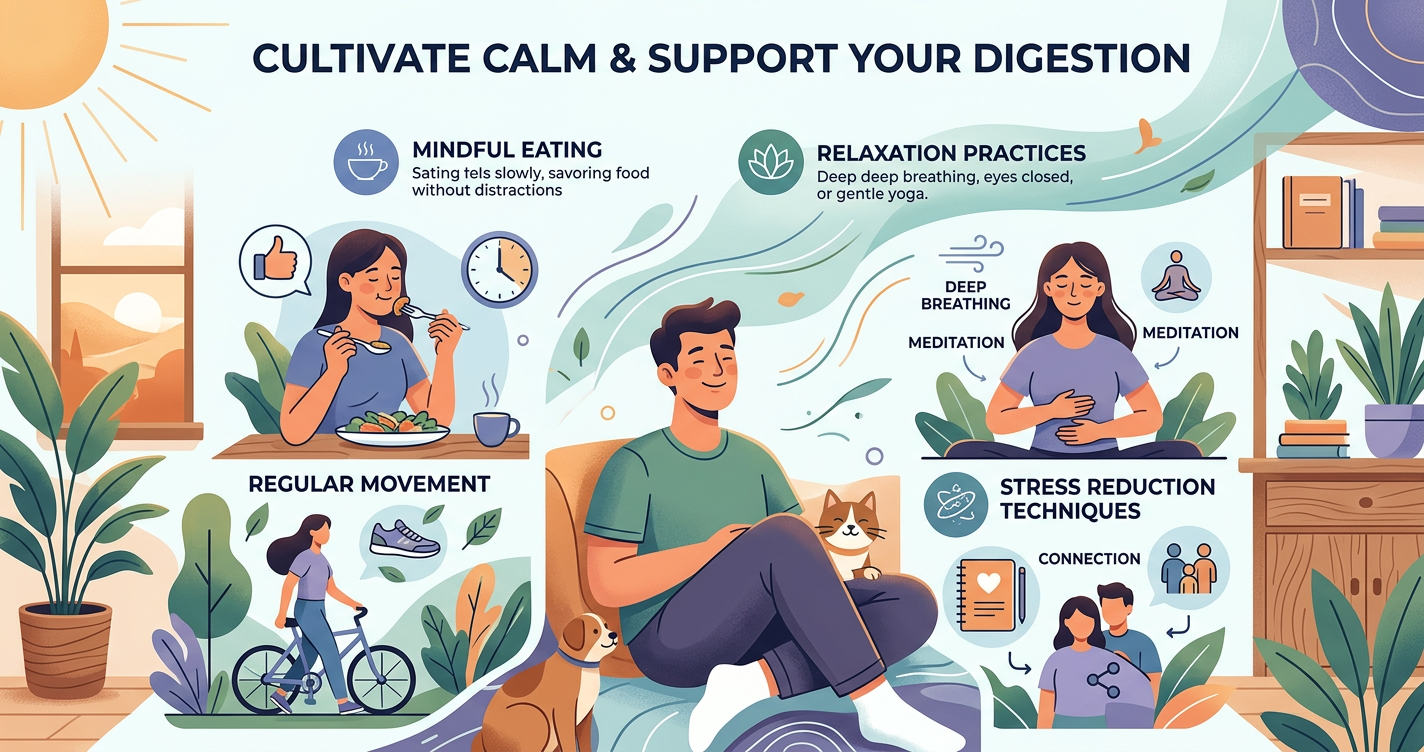
Mindful Eating Practices
How you eat is often just as important as what you eat. If you’re shoving a salad down your throat while typing an email, your body isn’t in a state to digest it. Try these tips to improve your digestive hygiene:
The 20-Chew Rule: Aim to chew your food until it’s a liquid consistency. This takes the mechanical burden off your stomach and gives enzymes in your saliva more time to work.
Step Away from Screens: Make your mealtime a "no-phone zone." Focus on the flavors and textures of your food to help your brain register fullness and satisfaction.
Deep Breathing: Before you take your first bite, take three deep, slow belly breaths. This helps trigger the parasympathetic nervous system, prepping your body for digestion.
The Power of Vagus Nerve Stimulation
Since the vagus nerve is the highway between your brain and gut, keeping it "toned" is essential. You can stimulate the vagus nerve through simple physical actions. Cold exposure—like splashing ice-cold water on your face—can provide an immediate reset to your nervous system. Humming, chanting, or singing also vibrates the vocal cords, which are connected to the vagus nerve, sending a calming signal to your digestive organs.
Supplements and Dietary Support
While you work on the mental aspect of stress, you can support your gut physically. Probiotics can help restore the balance of your microbiome after a period of high stress. Magnesium is another "superstar" mineral; it helps relax the muscles in the digestive tract and is often depleted when we are stressed. Additionally, herbal teas like ginger, peppermint, and chamomile can soothe a ruffled stomach and provide a calming ritual at the end of a long day.
Movement for Digestion
Exercise is a great stress reliever, but the type of exercise matters when your gut is acting up. High-intensity workouts can sometimes be perceived as another stressor by the body. Instead, focus on low-impact movement like walking or restorative yoga. A gentle 15-minute walk after lunch can significantly improve motility and help clear gas from the digestive tract, all while lowering your cortisol levels.
Ultimately, your gut is a reflection of your overall well-being. By listening to what your digestive symptoms are trying to tell you, you can take proactive steps to reduce stress and reclaim your health. Remember, your body isn't working against you; it’s just trying to communicate. Give it the rest and care it deserves, and your digestion will likely return the favor.