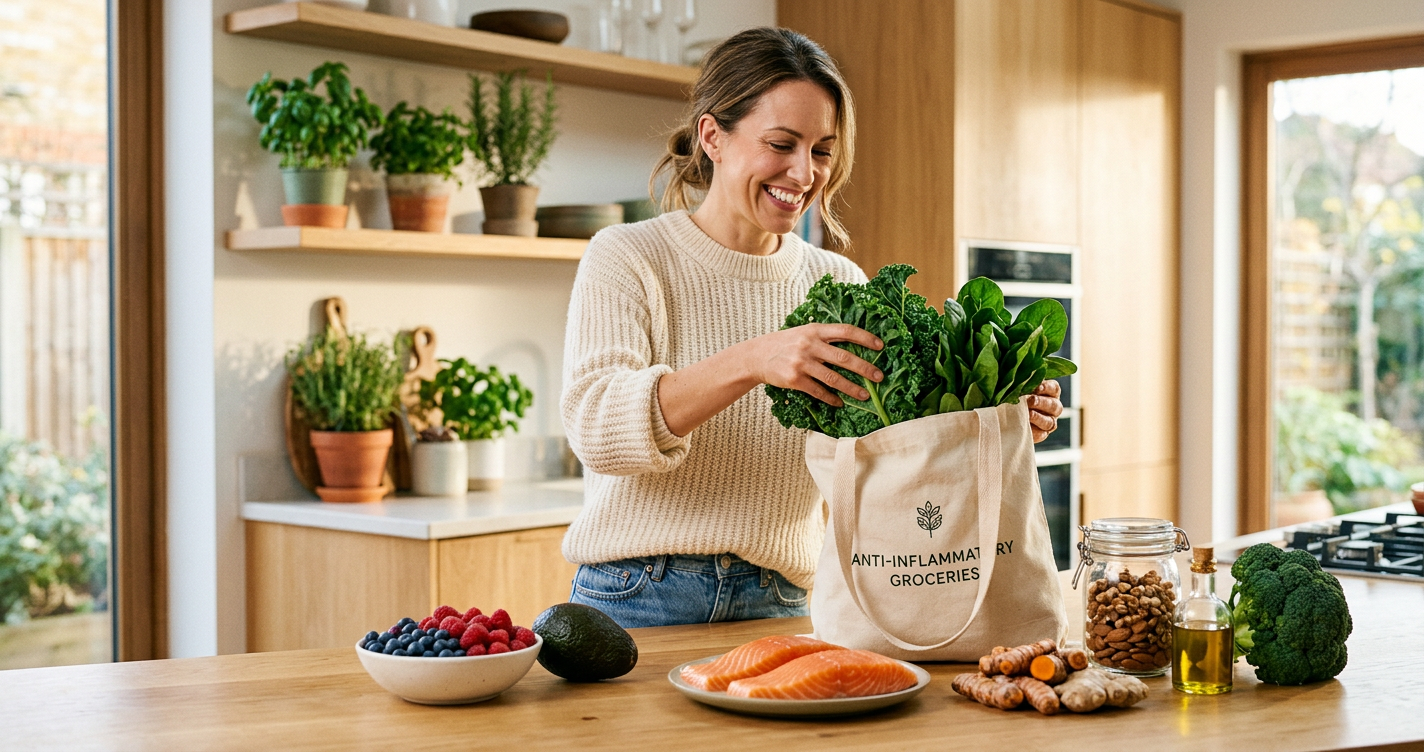
In the modern world, where processed foods and sedentary lifestyles have become the norm, our bodies are under constant assault from a silent, invisible enemy: chronic inflammation. While acute inflammation is a healthy response to injury or infection, chronic systemic inflammation is a slow-burning fire that can damage healthy tissues, organs, and DNA. Science has increasingly linked this persistent state of internal stress to major health hurdles including heart disease, type 2 diabetes, Alzheimer’s, and various forms of cancer. However, the most potent weapon to extinguish this fire isn’t found in a medicine cabinet—it’s found in your kitchen.
Adopting an anti-inflammatory diet is not about temporary restriction; it’s about a fundamental shift toward nutrient-dense, whole foods that support the body’s natural healing processes. By choosing the right fuel, you can modulate your immune system, lower oxidative stress, and significantly improve your quality of life. This guide will walk you through the essential components of an anti-inflammatory grocery list, explaining the science behind why these foods work and how you can integrate them seamlessly into your daily routine.
1. The Power of Plant-Based Phytonutrients and Antioxidants
The cornerstone of any anti-inflammatory lifestyle is a diverse array of colorful plant foods. Plants produce secondary metabolites known as phytonutrients to protect themselves from environmental stressors like UV radiation and pests. When we consume these plants, those same protective compounds work within our bodies to neutralize free radicals—unstable molecules that cause cellular damage and trigger the inflammatory response.
Berries: Nature’s Anti-Inflammatory Candies
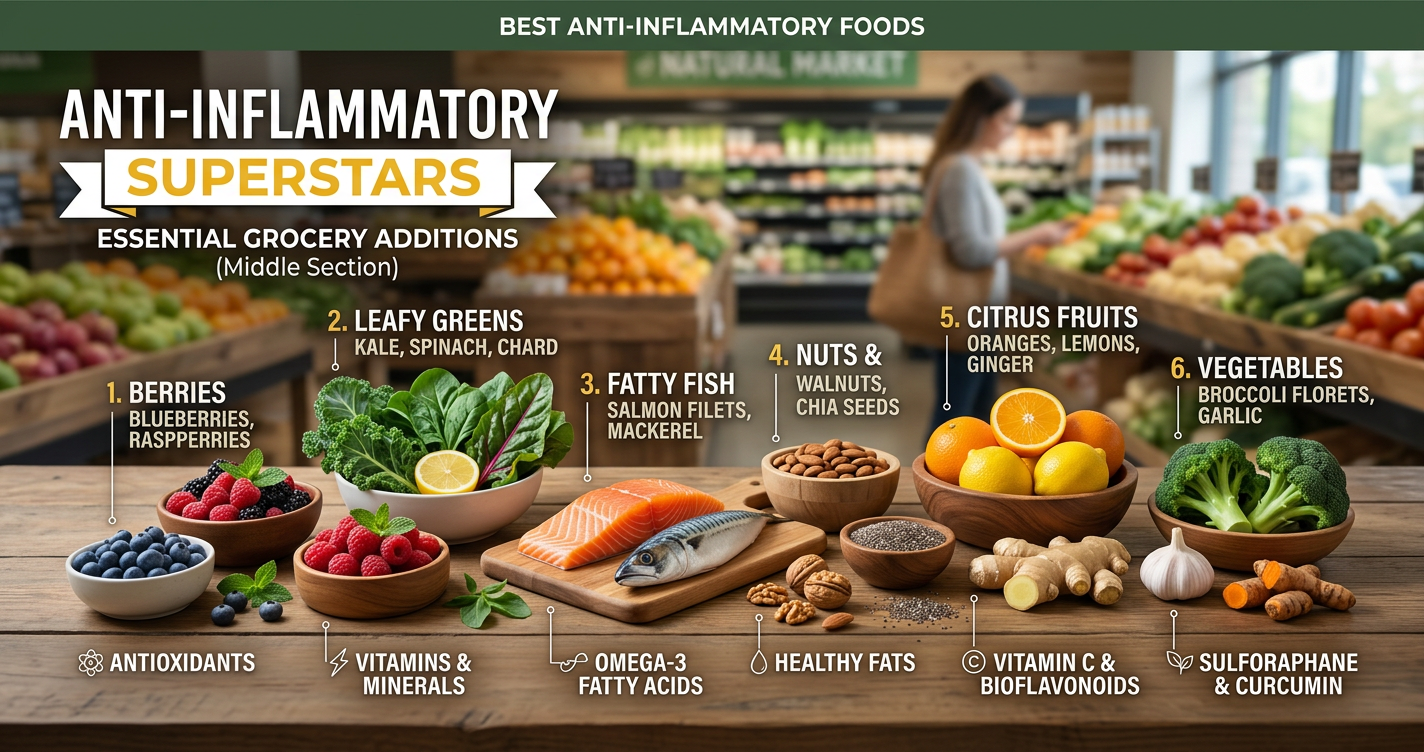
Berries, including blueberries, strawberries, raspberries, and blackberries, are packed with fiber, vitamins, and minerals. Most importantly, they are rich in antioxidants called anthocyanins. These compounds give berries their vibrant deep red and purple hues and have been shown in numerous studies to reduce inflammation, boost immunity, and lower the risk of heart disease. Blueberries, in particular, are often referred to as "brain berries" because their high antioxidant content helps combat oxidative stress in the brain, potentially slowing cognitive decline.
Cruciferous Vegetables: The Detoxification Masters
Vegetables such as broccoli, cauliflower, Brussels sprouts, and kale belong to the brassica family. They are famous for their high levels of sulforaphane, a potent anti-inflammatory compound. Sulforaphane works by blocking enzymes that cause joint destruction and chronic swelling. Furthermore, these vegetables are rich in magnesium and Vitamin K, both of which are essential for bone health and regulating the body’s inflammatory markers. Including a serving of cruciferous greens daily can help optimize your liver’s natural detoxification pathways, ensuring that pro-inflammatory toxins are efficiently removed from your system.
Leafy Greens and the Role of Nitrates
Spinach, Swiss chard, and collard greens should be non-negotiable items on your grocery list. These greens are loaded with Vitamin E, which protects the body from pro-inflammatory molecules called cytokines. They are also rich in naturally occurring nitrates, which improve blood flow and lower blood pressure. When your circulatory system functions efficiently, nutrients are delivered more effectively to your tissues, and metabolic waste is removed faster, reducing the likelihood of localized inflammation.
The Vibrant World of Peppers
Bell peppers and chili peppers are loaded with vitamin C and antioxidants that have powerful anti-inflammatory effects. Bell peppers provide the antioxidant quercetin, which may reduce markers of oxidative damage in people with sarcoidosis, an inflammatory disease. Chili peppers contain sinapic acid and ferulic acid, which may reduce inflammation and lead to healthier aging. The heat in chili peppers comes from capsaicin, which has been studied for its ability to reduce pain and inflammation in conditions like osteoarthritis.
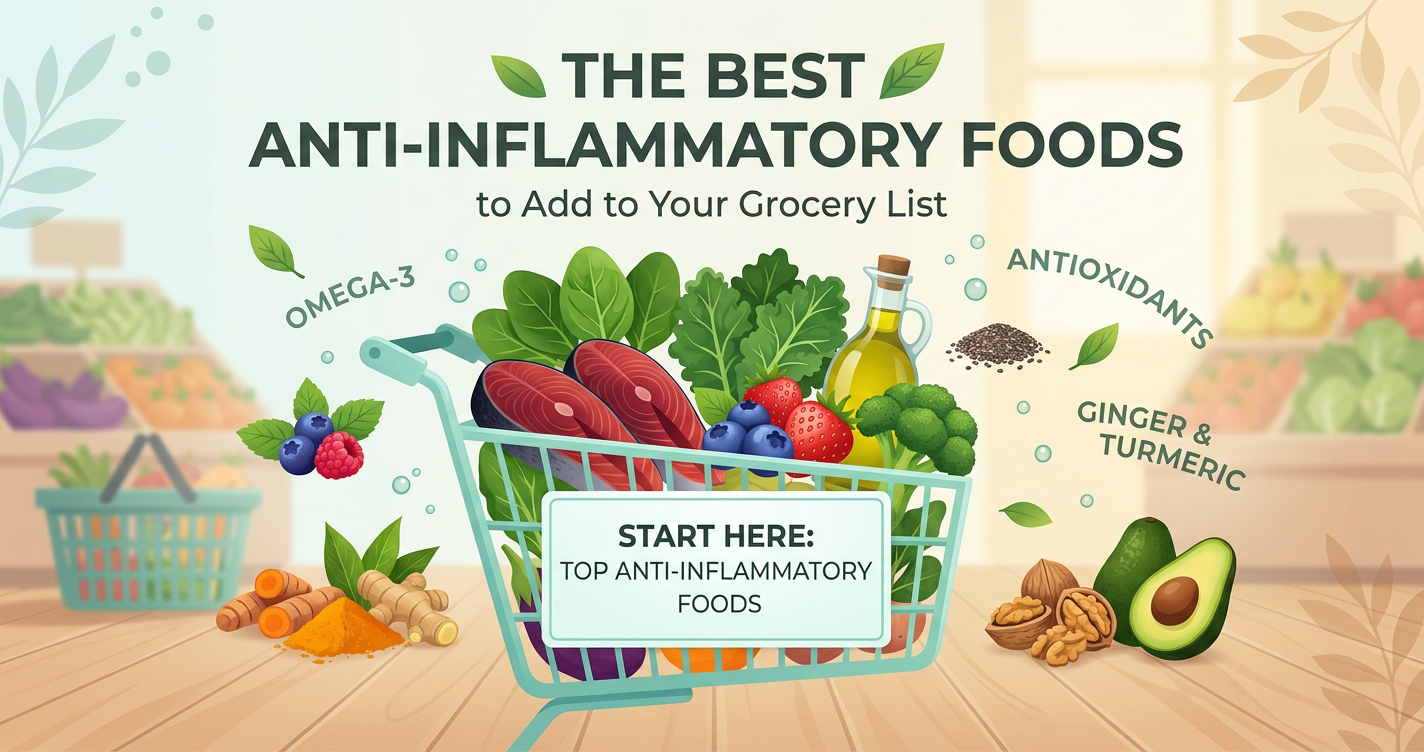
2. Essential Fats and Proteins: Cooling the System from Within
While the word "fat" often carries a negative connotation, it is one of the most critical macronutrients for controlling inflammation. The balance of fats in your diet—specifically the ratio of Omega-3 to Omega-6 fatty acids—determines whether your body’s internal environment is pro-inflammatory or anti-inflammatory. Western diets typically favor Omega-6s (found in processed seed oils), which can drive inflammation if not balanced. To counter this, your grocery list must prioritize high-quality Omega-3 sources.
Fatty Fish: The Gold Standard of Omega-3s
Fatty fish like salmon, sardines, mackerel, and anchovies are the best sources of long-chain Omega-3 fatty acids: eicosapentaenoic acid (EPA) and docosahexaenoic acid (DHA). These fats are converted by the body into compounds called resolvins and protectins, which actively "resolve" inflammation. Clinical trials have demonstrated that consuming fatty fish or fish oil supplements can significantly reduce C-reactive protein (CRP), a key marker of inflammation in the blood. For those following a plant-based diet, algae-based supplements offer a direct source of DHA and EPA without the need for fish.
Monounsaturated Fats: The Mediterranean Secret
Extra virgin olive oil (EVOO) is perhaps the most scrutinized and celebrated anti-inflammatory fat in the world. It is the backbone of the Mediterranean diet. EVOO contains oleocanthal, an antioxidant that has an effect similar to anti-inflammatory drugs like ibuprofen. It works by inhibiting the COX-1 and COX-2 enzymes, which are responsible for pain and swelling. When shopping, look for "cold-pressed" and "extra virgin" labels to ensure the oil hasn't been chemically processed, which strips away these beneficial polyphenols.
Nuts and Seeds: Dense Nutrient Powerhouses
Walnuts, chia seeds, flaxseeds, and hemp hearts are excellent sources of alpha-linolenic acid (ALA), a type of Omega-3 fatty acid found in plants. While the body's conversion of ALA to EPA and DHA is limited, these foods provide additional benefits like fiber and protein. Walnuts, specifically, have been shown to lower levels of C-reactive protein and improve vascular function. Almonds are another great choice, providing high levels of Vitamin E, which acts as an antioxidant to protect cells from oxidative stress.
Legumes and Plant-Based Proteins
Beans, lentils, and chickpeas are high-fiber, high-protein foods that offer a low-glycemic alternative to meat. These foods are rich in phytonutrients and minerals like potassium and magnesium. A high-fiber diet is essential for gut health; a healthy microbiome produces short-chain fatty acids (SCFAs) like butyrate, which have systemic anti-inflammatory effects. By substituting red meat with legumes a few times a week, you reduce your intake of saturated fats that can trigger inflammation while increasing your intake of protective compounds.
3. Functional Spices and Beverages: Tiny Additions with Huge Impact
Often overlooked, the herbs, spices, and beverages we consume act as "functional foods." These are items that provide health benefits beyond basic nutrition. Incorporating these into your grocery list is one of the easiest and most cost-effective ways to transition into an anti-inflammatory lifestyle. They work at the molecular level to turn off inflammatory switches in your DNA.
Turmeric and Ginger: The Dynamic Duo
Turmeric is arguably the most famous anti-inflammatory spice, thanks to its active compound, curcumin. Curcumin is a bioactive substance that fights inflammation at the molecular level, rivaling the effectiveness of some anti-inflammatory drugs without the side effects. To maximize absorption, always consume turmeric with black pepper, which contains piperine—a substance that increases curcumin absorption by 2,000%. Ginger, a close relative of turmeric, contains gingerols and shogaols. These compounds have been shown to reduce muscle pain after exercise and ease the symptoms of rheumatoid arthritis and osteoarthritis.
Green Tea: A Sip of Longevity
Green tea is one of the healthiest beverages you can drink. Much of its benefit comes from its content of epigallocatechin-3-gallate (EGCG), a substance that inhibits inflammation by reducing pro-inflammatory cytokine production and damage to the fatty acids in your cells. Replacing your afternoon soda or sugary coffee with a cup of high-quality matcha or loose-leaf green tea can provide a steady stream of antioxidants throughout the day, protecting your cardiovascular system and enhancing metabolic health.
The Role of Alliums: Garlic and Onions
Garlic and onions aren't just for flavor; they contain organosulfur compounds like allicin and quercetin. These compounds have been shown to inhibit the enzymes that generate inflammatory prostaglandins and leukotrienes. Garlic specifically has a long history of use in traditional medicine for its immune-boosting properties. Regular consumption can help lower blood pressure and cholesterol, both of which are closely tied to the inflammatory state of the arteries.
Dark Chocolate: The Ultimate Anti-Inflammatory Treat
Yes, you can have your cake—or rather, your chocolate—and eat it too. Dark chocolate is packed with antioxidants, specifically flavanols, that reduce inflammation and keep the endothelial cells that line your arteries healthy. The key is to choose chocolate that is at least 70% cocoa (higher is better) to ensure you are getting enough flavanols without an excessive amount of added sugar. Sugar is a major pro-inflammatory trigger, so the bitterness of high-cocoa chocolate is actually a sign of its health potential.
Anti-Inflammatory Staples: Salmon, walnuts, turmeric, blueberries, and spinach.
Foods to Avoid: Refined sugars, trans fats, excessive alcohol, and highly processed meats.
Action Step: Start by swapping one processed snack daily for a handful of almonds or a bowl of berries.
In conclusion, the path to a healthier, pain-free life begins in the grocery store aisles. By prioritizing whole, unprocessed foods rich in Omega-3s, antioxidants, and fiber, you are giving your body the tools it needs to thrive. The "best" anti-inflammatory diet isn't a rigid set of rules, but a colorful, flavorful celebration of ingredients that nourish your cells and protect your future self. Start small, be consistent, and let your grocery cart be your guide to lasting wellness.