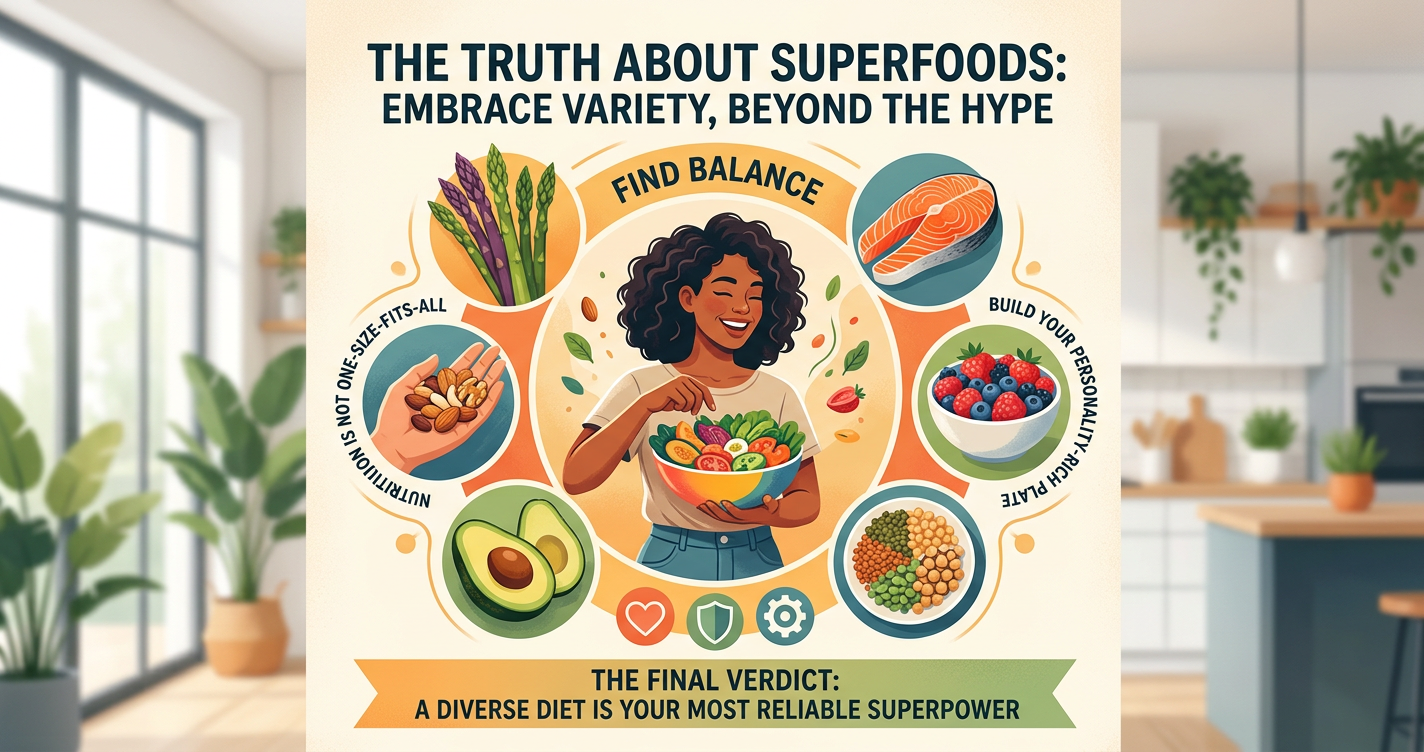
Deconstructing the Myth: What Makes a Superfood?
In the modern health and wellness landscape, the term "superfood" has become ubiquitous. From the vibrant displays at local farmers' markets to the polished packaging in high-end grocery stores, we are constantly bombarded with marketing claims that certain foods possess near-miraculous properties. But if we peel back the layers of branding, what do we actually find? The truth is that "superfood" is not a scientific classification; it is a marketing term. There is no official definition from the FDA or the European Food Safety Authority that quantifies exactly how many antioxidants or vitamins a food must have to earn this prestigious title. However, this does not mean the foods themselves are without merit. Quite the contrary, many of the items labeled as superfoods are nutrient powerhouses that can significantly impact our longevity and vitality.
The primary reason the superfood movement took off is our collective desire for a "silver bullet" in nutrition. We want to believe that if we just eat enough kale or drink enough pomegranate juice, we can counteract the effects of a sedentary lifestyle or a diet high in processed sugars. This reductionist view of nutrition often misses the bigger picture. Real health is built on the foundation of dietary patterns, not isolated ingredients. When we evaluate which superfoods deserve the hype, we must look beyond the glossy magazine covers and examine the peer-reviewed research. We need to ask: Does this food provide a concentrated dose of essential micronutrients? Does it have bioavailable phytochemicals that have been proven to reduce inflammation? And most importantly, is it a sustainable part of a balanced diet?
The Rise of Nutritional Marketing
The history of superfoods can be traced back to the early 20th century, but it wasn't until the late 1990s and early 2000s that the term exploded into the mainstream. Large-scale agricultural industries realized that by highlighting a specific nutrient—like the anthocyanins in blueberries or the omega-3 fatty acids in salmon—they could command a premium price. This led to a surge in "functional foods" designed to target specific health concerns. While it is wonderful that people are more interested in nutrition than ever before, the hype often outpaces the science. For example, while exotic berries from the Amazon rainforest are often touted as the ultimate health food, the humble local blackberry might offer similar benefits at a fraction of the cost and carbon footprint.
To truly understand which foods deserve their "super" status, we must focus on nutrient density. Nutrient density is the ratio of beneficial ingredients to the energy content (calories) for the food. A food is "super" if it provides a massive amount of vitamins, minerals, and antioxidants relative to its caloric load. When we use this metric, the list of truly effective superfoods becomes much clearer. We aren't just looking for trends; we are looking for biological impact. In the following sections, we will dive into the specific categories of foods that have stood the test of rigorous scientific scrutiny and explain why they are essential for your health journey.
Phytochemicals: Naturally occurring compounds in plants that provide health benefits beyond basic nutrition.
Antioxidants: Molecules that fight free radicals in the body, reducing oxidative stress.
Bioavailability: The proportion of a nutrient that is digested, absorbed, and utilized by the body.
Synergy: The concept that nutrients work better together than they do in isolation.
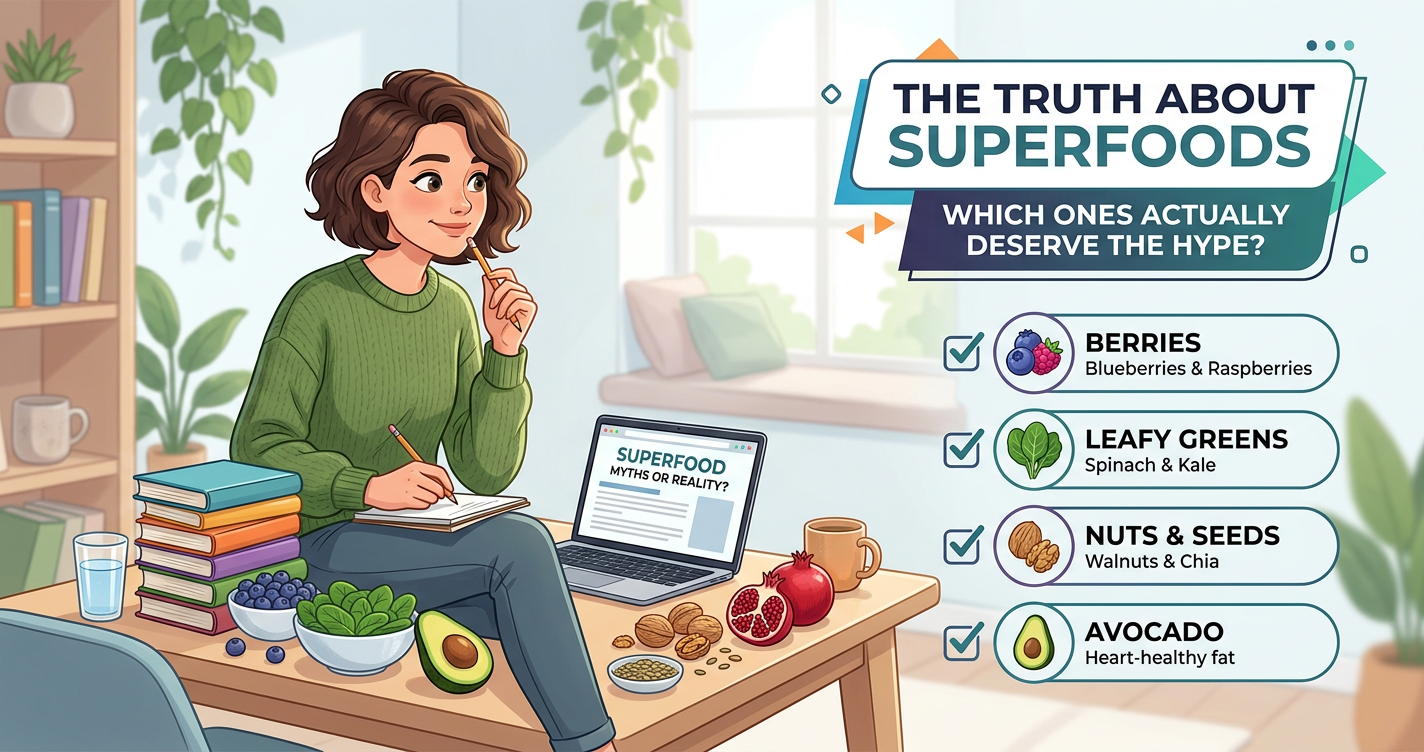
The Heavy Hitters: Superfoods Supported by Rigorous Science
If we are going to separate the wheat from the chaff, we must start with the foods that have the most robust clinical backing. These are the staples that have been studied in thousands of trials and consistently show a correlation with reduced risks of chronic diseases, improved cognitive function, and better metabolic health. These aren't just "fads"—they are nutritional pillars. When people ask which superfoods actually deserve the hype, the conversation usually begins with dark leafy greens, fatty fish, and cruciferous vegetables.
Dark Leafy Greens: The Nutritional Gold Standard
If there is one food group that deserves a permanent spot on your plate, it is dark leafy greens like kale, spinach, Swiss chard, and collard greens. These vegetables are packed with vitamins A, C, and K, as well as fiber, calcium, and iron. But the real magic lies in their high concentration of chlorophyll and nitrates. Dietary nitrates found in greens are converted into nitric oxide in the body, which helps dilate blood vessels, improving circulation and lowering blood pressure. This makes them a "superfood" for cardiovascular health. Furthermore, the lutein and zeaxanthin found in spinach are critical for eye health, protecting the retina from oxidative damage and age-related macular degeneration.
The hype around kale, specifically, became a cultural phenomenon, but it is backed by solid data. Kale is one of the most nutrient-dense foods on the planet. A single cup of raw kale contains more vitamin C than a whole orange. However, the key is variety. Rotating your greens ensures a wider spectrum of phytonutrients. Spinach offers more folate and magnesium, while Swiss chard is an excellent source of syringic acid, a flavonoid that has been studied for its ability to stabilize blood sugar. By consuming these daily, you are providing your body with the cellular tools it needs to repair and thrive.
Fatty Fish and the Omega-3 Revolution
While many superfoods are plant-based, wild-caught fatty fish like salmon, sardines, mackerel, and anchovies are perhaps the most potent "superfoods" for brain health. The primary drivers here are the long-chain omega-3 fatty acids, EPA and DHA. Unlike the short-chain ALA found in flaxseeds, EPA and DHA are readily used by the human brain and heart. These fats are essential components of cell membranes and play a vital role in reducing systemic inflammation. Chronic inflammation is the root cause of many modern ailments, including heart disease, Alzheimer's, and arthritis.
The "hype" here is well-deserved because most modern diets are dangerously high in pro-inflammatory omega-6 fats (from processed vegetable oils) and critically low in omega-3s. Incorporating fatty fish twice a week can rebalance this ratio. Studies have shown that regular consumption of fatty fish is linked to a lower risk of depression and a slower rate of age-related cognitive decline. If you are looking for a superfood that delivers immediate and long-term cognitive benefits, the omega-3 profile of fatty fish is unmatched by almost any other food source.
Berries: Small Fruits, Massive Impact
Blueberries, strawberries, raspberries, and blackberries are often called "brain berries." Their claim to fame is a high concentration of anthocyanins—the pigments that give them their deep colors. These compounds are powerful antioxidants that cross the blood-brain barrier to protect neurons from damage. Clinical trials have demonstrated that older adults who consume berries regularly show improved memory and motor skills compared to those who do not. Unlike many other fruits, berries are relatively low in sugar and high in fiber, making them an excellent choice for maintaining stable insulin levels while still satisfying a sweet tooth.
Salmon: Rich in EPA/DHA for brain and heart health.
Blueberries: High in anthocyanins for cognitive longevity.
Broccoli: Contains sulforaphane, a potent detoxifying compound.
Walnuts: The only nut with a significant amount of alpha-linolenic acid.
Turmeric: Contains curcumin, a powerful anti-inflammatory agent when paired with black pepper.
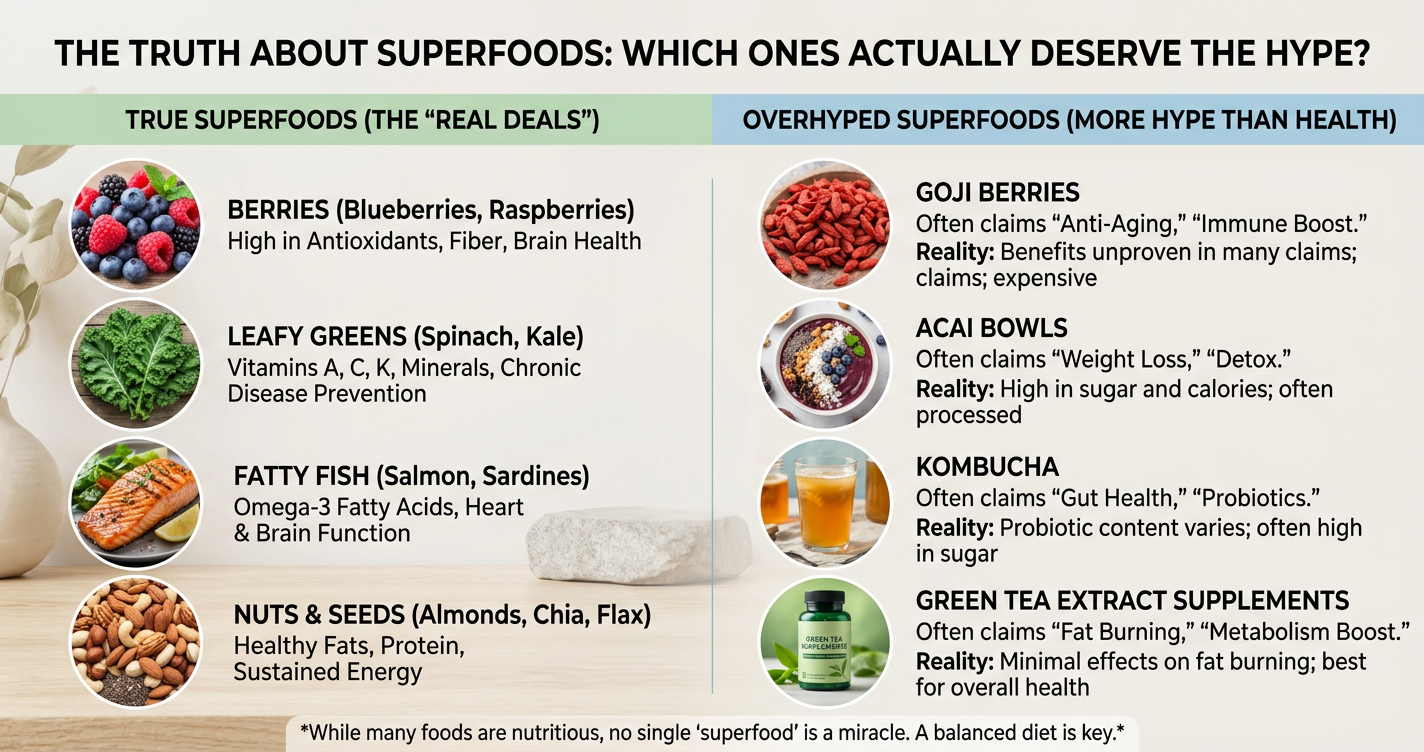
Navigating the Marketing Trap: Superfoods You Can Skip
While many foods are deserving of their accolades, some have been propelled to superstardom more by clever storytelling than by clinical evidence. This is where the consumer must be cautious. Just because a food is "exotic" or expensive doesn't mean it provides a unique health benefit that you can't get from something more affordable. The marketing trap often involves cherry-picking one specific study—often done in a petri dish or on mice—and extrapolating those results to claim that a specific fruit or powder will cure human disease. To be a savvy health enthusiast, you need to recognize when you are being sold a story rather than a solution.
The Truth About Exotic Powders and Elixirs
Goji berries, acai bowls, and wheatgrass shots are frequently marketed as essential components of a "detox" lifestyle. While these items are certainly healthy, they are often overpriced and no more effective than common garden-variety fruits and vegetables. For instance, acai berries are incredibly high in antioxidants, but once they are processed into a frozen pulp or powder and shipped halfway across the world, their nutritional profile can degrade. Furthermore, acai bowls are often loaded with added sugars, granolas, and honey, turning a "superfood" meal into a high-calorie sugar bomb that spikes insulin levels. The health benefits of the berries are quickly neutralized by the metabolic stress of the added sugar.
Similarly, wheatgrass is often touted as having special "cleansing" properties due to its chlorophyll content. While chlorophyll is beneficial, you can get it in much larger quantities—and with more fiber—by eating a large bowl of steamed broccoli or a kale salad. The idea that a 2-ounce shot of green liquid can "flush out toxins" is a physiological misunderstanding. Your liver and kidneys handle detoxification; the best way to support them is through consistent fiber intake and hydration, not expensive, trendy shots that taste like lawn clippings.
The Danger of "Superfood" Junk Food
Perhaps the most insidious trend is the labeling of processed snacks as "made with superfoods." You will see chocolate bars with "superfood goji berries" or chips made with "superfood quinoa." This is a classic example of the "health halo" effect. Consumers perceive these products as healthy because they contain one or two virtuous ingredients, ignoring the high levels of refined oils, sodium, and preservatives that make up the bulk of the product. A cookie with a few chia seeds sprinkled on top is still a cookie. To get the benefits of superfoods, you must consume them in their whole, minimally processed state.
So, which ones actually deserve the hype? The ones that are integrated into a lifestyle of variety and moderation. The "truth" about superfoods is that they work best as a team. No single food can save you, but a diet rich in a variety of colorful plants, high-quality proteins, and healthy fats creates a biological environment where disease struggles to take root. Instead of chasing the latest expensive trend from a remote corner of the globe, focus on the "super" foods in your local produce aisle: garlic, onions, beans, cruciferous vegetables, and seasonal fruits. These are the true heroes of human nutrition—proven by science, accessible to all, and undeniably effective.
Practical Tips for a Superfood Diet
To maximize your nutritional intake without breaking the bank or falling for marketing gimmicks, consider the following strategies:
Shop the Perimeter: Most true superfoods (produce, meat, fish) are found on the outer edges of the grocery store.
Buy Frozen: Frozen berries and vegetables are often frozen at peak ripeness, preserving their nutrients at a lower cost than fresh.
Focus on Fiber: Many of the best superfoods, like lentils and beans, are prized for their fiber content which supports the gut microbiome.
Use Spices Liberally: Spices like ginger, cinnamon, and oregano have some of the highest antioxidant counts per gram of any food.
In conclusion, the superfood label is a helpful guide but a poor master. Use it to identify nutrient-dense options, but don't let it distract you from the fundamental principles of a healthy diet. The truth is that "super" is as much about what you leave out—processed sugars, trans fats, and excess sodium—as what you put in. By focusing on whole, vibrant foods that have stood the test of both time and scientific inquiry, you can build a diet that truly supports long-term health and vitality.