

The golden sun was just beginning to peek over the horizon at JFK International Airport when I realized I had made a grave tactical error. There I was, suitcase packed with breezy linens and high-SPF sunscreen, ready for a dream three-week trek through the spice markets of Marrakech and the cliffside cafes of the Amalfi Coast. But my stomach? My stomach was already protesting. The culprit was a frantic "clear-out-the-fridge" dinner the night before, followed by three cups of airport coffee and a sodium-laden breakfast sandwich consumed in a rush to gate B24.
Travel is supposed to be soul-nourishing, but for many of us, it is physically punishing—specifically on our digestive tracts. The "vacation bloat," the dreaded traveler’s constipation, or the sudden, frantic search for a public restroom can turn a picturesque getaway into an endurance test. Over the years, through trial, error, and some very uncomfortable bus rides through the Andes, I have learned that maintaining healthy digestion on the go isn’t just about what you eat; it’s a holistic philosophy of movement, hydration, and mindful preparation.
The Pre-Flight Protocol: Preparing Your Gut for the Journey
Most travelers think their digestive health strategy starts when they land. In reality, the battle is won or lost in the 48 hours before you even check in for your flight. When we get stressed about packing or meeting deadlines before out-of-office mode kicks in, our body enters a "fight or flight" state. This shunts blood away from the digestive organs, slowing down motility before you’ve even reached the terminal.
The Fiber Foundation
In the days leading up to your trip, resist the urge to eat "heavy" meals to "fuel up." Instead, focus on soluble and insoluble fiber. I make it a rule to double my intake of leafy greens and chia seeds two days before departure. Fiber acts as a broom for your digestive tract, ensuring that your system is clear before the dehydrating effects of cabin pressure and pressurized air take hold. However, a word of caution: do not start a high-fiber regimen on the day of travel if your body isn't used to it, as this can lead to temporary gas and bloating.
Probiotic Priming
Your gut microbiome is a delicate ecosystem of bacteria that helps break down food and ward off pathogens. When you travel, you expose this ecosystem to new "alien" bacteria through local water and food. About a week before I travel, I start a high-quality, shelf-stable probiotic. This effectively "arms the border guards" of my gut. If you prefer whole foods, incorporate unpasteurized sauerkraut, kimchi, or kefir into your pre-trip meals. This fortification makes you much more resilient to the common "tummy bugs" encountered in foreign transit hubs.
Hydration: The Golden Rule
Flying is essentially sitting in a giant dehydrator. The humidity in a plane cabin is often lower than 20%, which is drier than the Sahara Desert. When you are dehydrated, your colon draws water from your stools to keep the rest of your body functioning, leading to the dreaded travel-induced constipation. My rule of thumb? Drink 8 ounces of water for every hour you are in the air, and avoid the temptation of the free ginger ale or cocktail. The sugar and alcohol will only exacerbate the inflammatory response in your gut.
Carry a reusable, BPA-free water bottle and fill it immediately after passing security.
Add electrolyte tablets to your water to ensure your cells are actually absorbing the moisture.
Avoid carbonated beverages, which expand in your gut as cabin pressure changes, causing painful bloating.
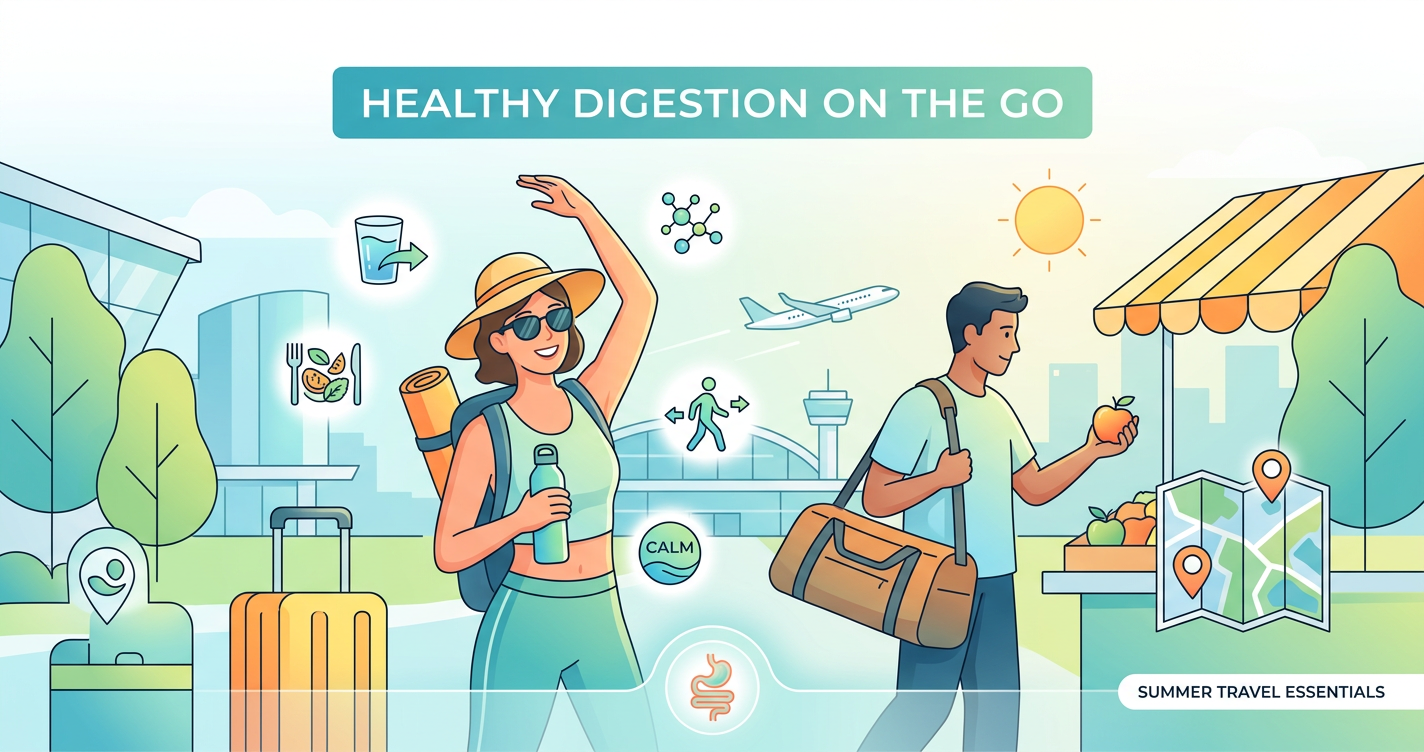
On the Ground: Navigating Exotic Menus and Street Food
Once you arrive, the real challenge begins. You are surrounded by new smells, enticing street food stalls, and the cultural pressure to "try everything." While I would never suggest skipping the local delicacies, there is an art to indulging without insulting your intestines. The goal is to taste the world without spending your vacation in a hotel bathroom.
The "Cook It, Peel It, or Forget It" Mantra
This is the golden rule for international travelers, especially in regions where water filtration systems might be different from what your body is used to. Raw vegetables and fruits with thin skins (like grapes or strawberries) are often washed in local tap water. If you have a sensitive stomach, stick to fruits you can peel yourself—like bananas, oranges, and mangoes. Similarly, ensure that your meats and seafood are served piping hot. Heat is the most effective killer of the parasites and bacteria that cause "Delhi Belly" or "Montezuma's Revenge."
Mindful Portions and the "One New Thing" Rule
Our digestive enzymes are specialized to break down the foods we eat most often. When you suddenly bombard your system with heavy creams, hot peppers, and fried dough all in one meal, your enzymes simply can't keep up. During my first three days in a new country, I follow the "One New Thing" rule: I eat one adventurous, local dish per day, but I keep the other two meals simple and familiar—think grilled proteins, steamed vegetables, or simple grains like rice.
The Importance of Bitter Foods
In many cultures, "bitters" are consumed before or after a meal to aid digestion. Burdock root, arugula, dandelion greens, or even a splash of apple cider vinegar in water can stimulate the production of bile and stomach acid. If I’m heading to a dinner where I know the food will be rich, I try to find a salad with bitter greens first. This jumpstarts the digestive process, making it easier for my body to process fats and proteins later in the evening.
Chew Thoroughly: Digestion begins in the mouth. Aim for 20-30 chews per bite, especially when eating heavy travel meals.
Identify Hidden Triggers: Be wary of "hidden" oils used in restaurant cooking, which can be highly inflammatory.
Carry Digestive Enzymes: A small bottle of broad-spectrum digestive enzymes can be a lifesaver when you know a meal is going to be a challenge.

Lifestyle Hacks: Movement, Routine, and the Sleep-Gut Connection
Healthy digestion isn't just about what goes into the pipe; it's about how the pipe moves. Your gut has its own nervous system, often called the "second brain," and it thrives on routine. When you change time zones, your gut's circadian rhythm is thrown into chaos. This is why many people find they can't "go" until they are back in their own home.
The Power of the Morning Walk
Physical movement stimulates peristalsis—the wave-like muscle contractions that move food through the digestive tract. Whenever I arrive in a new city, the very first thing I do the next morning is go for a 30-minute walk. Not only does this help me get my bearings and soak up some Vitamin D (which helps reset my internal clock), but it also wakes up my digestive system. Gravity and movement are your best friends when it comes to maintaining regularity.
Managing the Cortisol Spike
Travel is stressful. Language barriers, missed trains, and lost luggage all spike your cortisol levels. High cortisol levels can lead to "leaky gut" symptoms and general inflammation. To combat this, I practice five minutes of deep diaphragmatic breathing before every meal. By stimulating the vagus nerve, you tell your body it is safe to transition from "sympathetic" (stress) mode to "parasympathetic" (rest and digest) mode. It sounds simple, but it is perhaps the most effective tool I have for preventing indigestion.
The Sleep-Microbiome Loop
Lack of sleep alters the composition of your gut bacteria almost immediately. A single night of poor sleep can increase levels of bacteria associated with weight gain and bloating. To protect your gut, prioritize sleep as much as sightseeing. Use an eye mask, earplugs, and perhaps a magnesium supplement in the evening. Magnesium Not only helps with sleep quality, but it also draws water into the intestines, acting as a gentle, non-stimulant laxative to keep things moving while you rest.
Your Digestive Emergency Kit
Never leave home without a small "gut kit." Mine includes:
Peppermint Tea Bags: Peppermint oil is a natural antispasmodic that relaxes the muscles of the GI tract.
Activated Charcoal: If you suspect you've eaten something "off," charcoal can help bind toxins. (Use sparingly and away from medications).
Ginger Chews: Excellent for motion sickness and soothing an irritated stomach lining.
Psyllium Husk Capsules: For if the local diet is severely lacking in fiber.
Ultimately, traveling with a happy gut comes down to listening to your body. It’s easy to get swept up in the excitement and ignore the signals of fullness or discomfort. But by implementing these strategies—preparing your microbiome, choosing your meals wisely, and keeping your body moving—you can ensure that your summer memories are filled with beautiful sights and delicious flavors, rather than discomfort and digestive distress. Your gut is your constant travel companion; treat it with the same respect you'd give a five-star tour guide, and it will reward you with a journey you can actually enjoy.