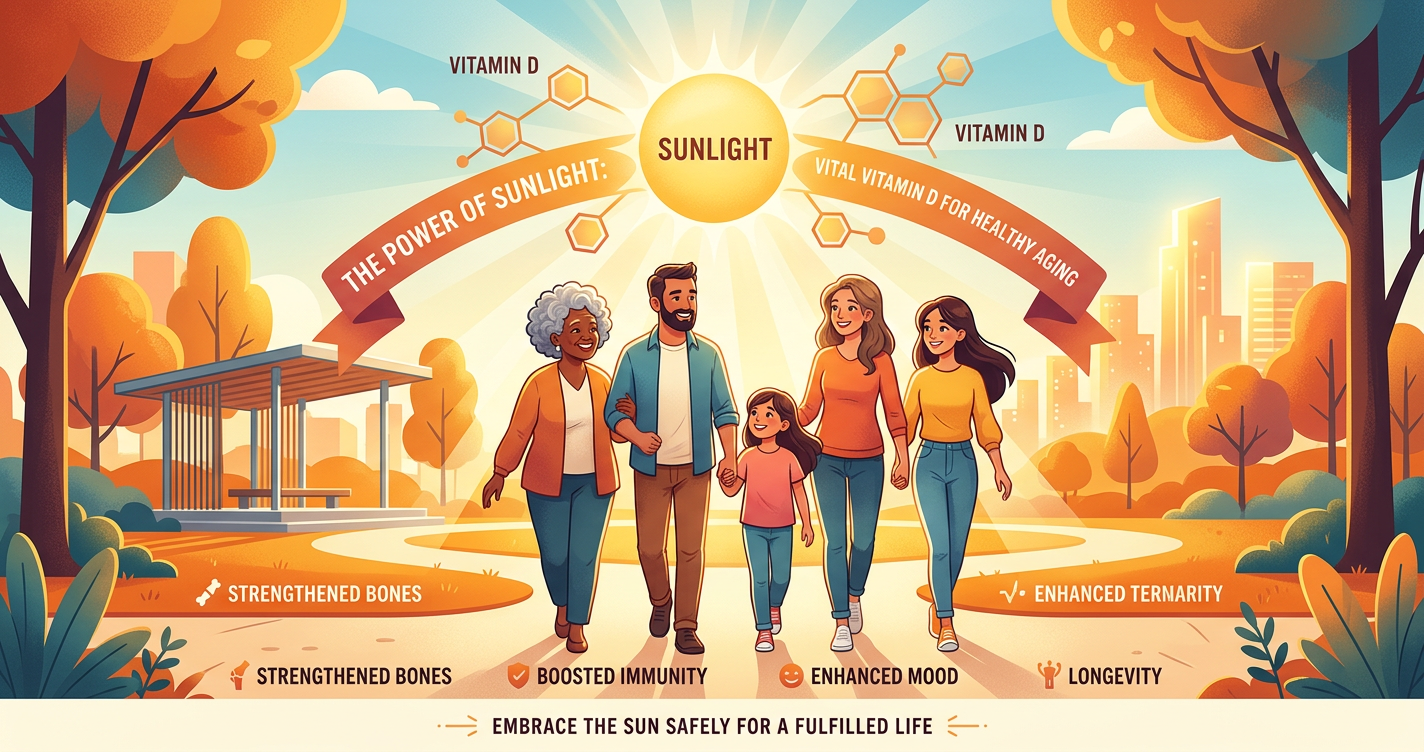
As the global population shifts toward a higher median age, the scientific community has intensified its focus on "geroprotection"—the study of delaying or preventing the onset of age-related diseases. Among the various pillars of healthy aging, few are as fundamental, yet as frequently overlooked, as the relationship between sunlight, Vitamin D synthesis, and long-term vitality. Often referred to as the "sunshine vitamin," Vitamin D is not just a nutrient but a pro-hormone that influences thousands of biological processes. Understanding the intricate dance between solar radiation and human physiology is essential for anyone looking to maintain their health well into their senior years.
The Biological Bridge: How Sunlight Powers the Aging Body
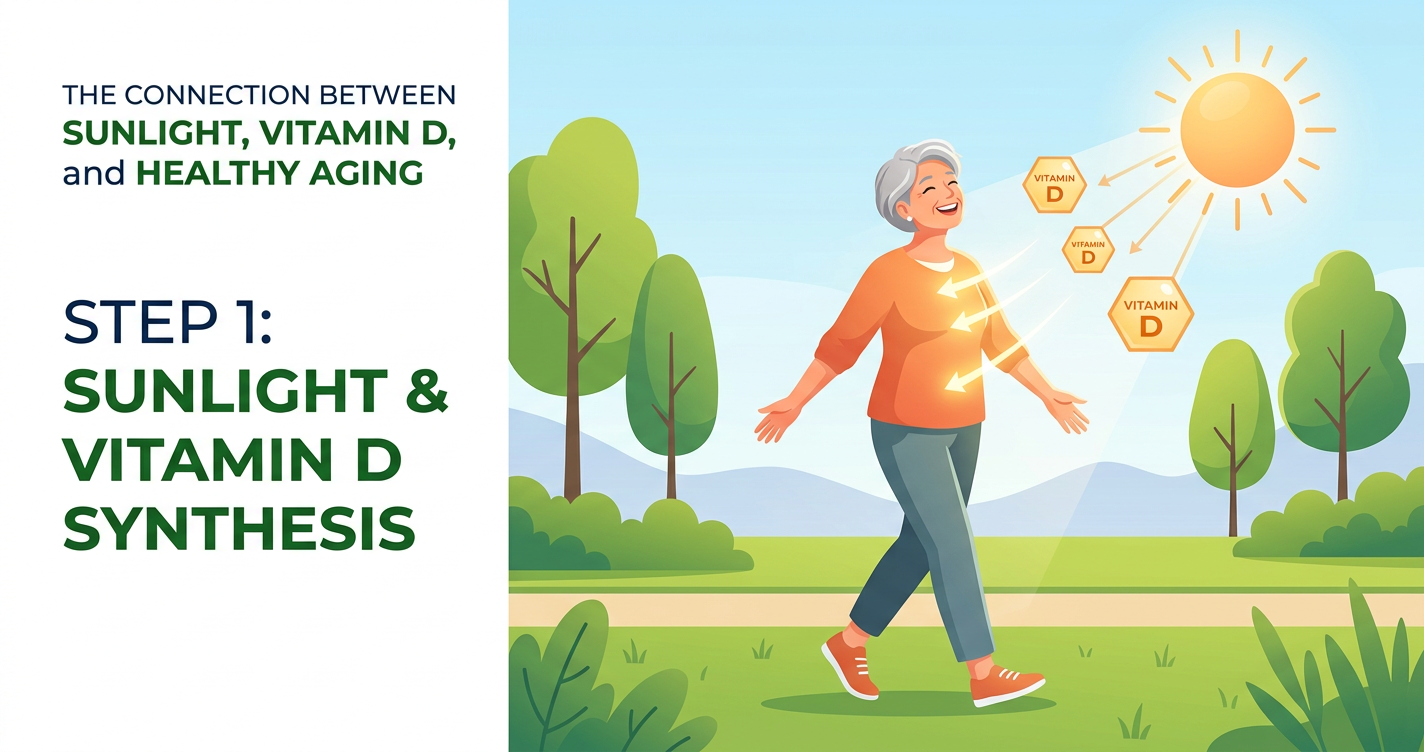
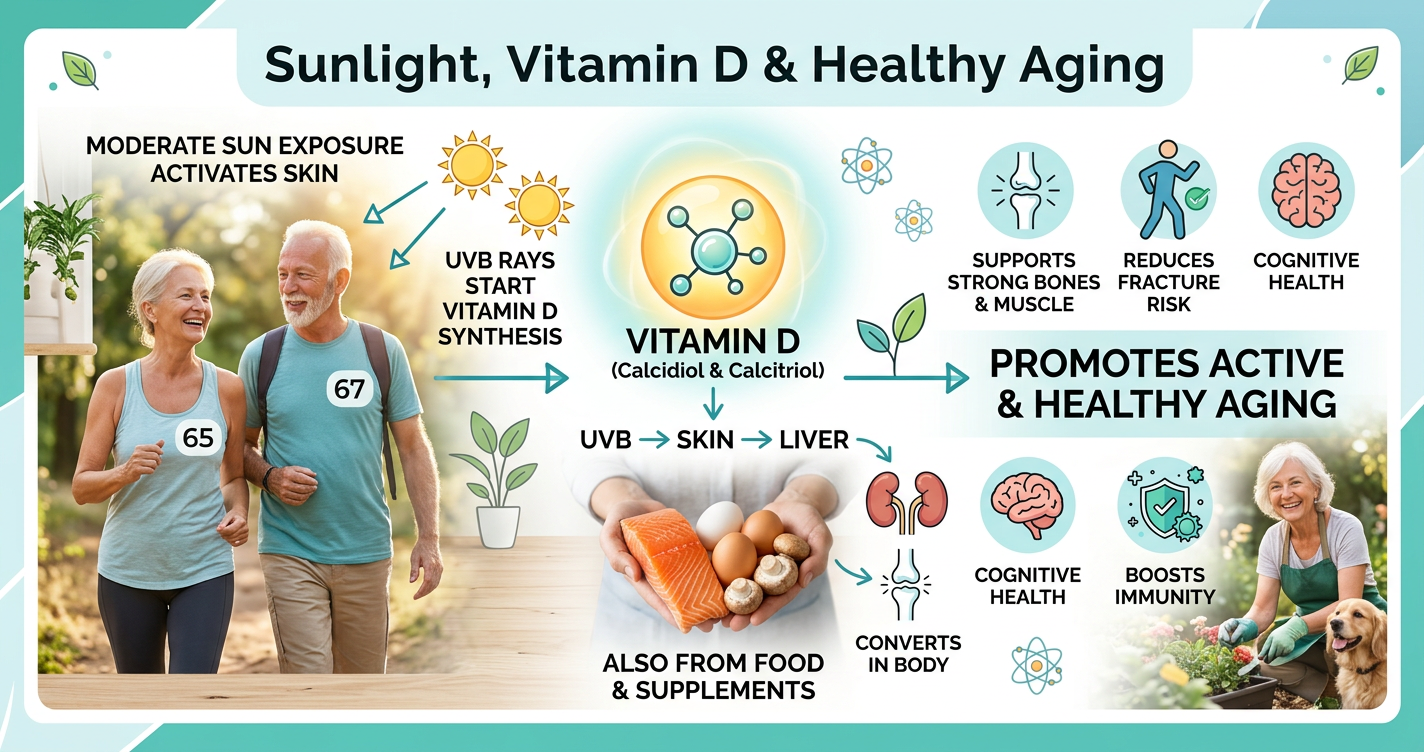
The journey of Vitamin D begins on the surface of the skin. When ultraviolet B (UVB) rays strike the epidermis, they interact with a cholesterol derivative called 7-dehydrocholesterol to create Vitamin D3. This precursor is then processed by the liver and kidneys into calcitriol, the active form of the hormone. This mechanism served our ancestors well, but modern lifestyles—characterized by indoor work and the use of broad-spectrum sunscreens—have created a widespread deficiency that disproportionately affects older adults.
As we age, our skin’s ability to synthesize Vitamin D diminishes significantly. Research suggests that a 70-year-old has approximately 25% of the capacity to produce Vitamin D compared to a 20-year-old exposed to the same amount of sunlight. This decline occurs simultaneously with the aging body's increased need for the vitamin to maintain essential systems. The connection between sunlight and health, however, extends beyond just nutrient production. Exposure to morning sunlight helps regulate our circadian rhythms, which are often disrupted in older age, leading to better sleep patterns and improved cognitive function.
Furthermore, sunlight triggers the release of nitric oxide in the skin, a molecule that helps dilate blood vessels and lower blood pressure. For the aging cardiovascular system, this natural mechanism offers a layer of protection against hypertension and stroke. While the risks of skin cancer from excessive UV exposure are well-documented and serious, the medical community is increasingly advocating for "sensible sun exposure"—short periods of daily sunlight that maximize Vitamin D synthesis while minimizing the risk of DNA damage.
Skeletal Integrity and Muscle Function in the Golden Years
The most well-known role of Vitamin D in healthy aging is its impact on bone health. Without sufficient Vitamin D, the body cannot effectively absorb calcium from the diet, regardless of how much calcium is consumed. This leads to a loss of bone mineral density, raising the risk of osteopenia and its more severe counterpart, osteoporosis. For seniors, a fracture is more than just a broken bone; it is often the catalyst for a decline in independence and overall mobility.
Combatting Sarcopenia and Fall Risks
Emerging research has highlighted Vitamin D’s critical role in muscle tissue, specifically in combating sarcopenia, the age-related loss of muscle mass and strength. Vitamin D receptors (VDRs) are present in human skeletal muscle cells. When these receptors are activated, they promote protein synthesis and the growth of Type II muscle fibers—the "fast-twitch" fibers responsible for power and balance. By maintaining muscle strength through adequate Vitamin D levels, older adults can significantly reduce their risk of falling, which remains the leading cause of injury-related hospitalizations among seniors.
Enhanced Calcium Absorption: Optimizing Vitamin D levels ensures that the skeletal system remains rigid and resilient against fractures.
Muscle Fiber Support: The hormone directly influences the strength of fast-twitch muscles, essential for maintaining balance during walking.
Chronic Pain Reduction: Vitamin D deficiency has been linked to non-specific musculoskeletal pain, which often limits the physical activity levels of aging individuals.
By prioritizing Vitamin D through controlled sun exposure or supplementation, older adults can build a "physical reserve" that protects them from the fragilities typically associated with advanced age. A body that stays mobile is a body that stays healthy, as physical activity remains the greatest predictor of longevity and cognitive health.
Beyond the Bone: Cognitive Health and Immune Resilience
The connection between sunlight and healthy aging reaches deep into the brain and the immune system. Modern gerontology has identified a link between Vitamin D deficiency and an increased risk of cognitive decline, including dementia and Alzheimer’s disease. The brain is rich in Vitamin D receptors, particularly in the hippocampus, which is the center for memory and emotional regulation. Vitamin D exhibits neuroprotective properties by clearing amyloid plaques—protein aggregates associated with Alzheimer’s—and by reducing oxidative stress in neural pathways.
The "Inflammaging" Factor
One of the hallmarks of aging is "inflammaging," a state of chronic, low-grade inflammation that contributes to almost every age-related disease, from diabetes to cancer. Vitamin D acts as a powerful immunomodulator. It helps the immune system stay "smart," ensuring it reacts robustly to external pathogens like viruses while preventing it from overreacting and attacking the body’s own tissues. During the aging process, the immune system tends to become less efficient (immunosenescence), making the regulatory role of Vitamin D even more critical.
Studies have shown that seniors with optimal Vitamin D levels tend to have lower levels of inflammatory markers like C-reactive protein (CRP). This systemic reduction in inflammation protects the delicate lining of the blood vessels and maintains the integrity of various organ systems. Additionally, the psychological benefits of sunlight cannot be overstated. Exposure to sunlight increases the synthesis of serotonin, the "feel-good" hormone, which helps stave off the depression and seasonal affective disorder that can often plague older individuals who spend most of their time indoors.
In conclusion, the path to healthy aging is paved with the golden light of the sun. While we must remain vigilant about skin protection, we cannot afford to ignore the profound biological necessity of Vitamin D. By fostering a balanced relationship with sunlight—supplemented when necessary by diet and high-quality vitamins—we provide our bodies with the hormonal tools required to maintain bone density, muscular strength, cognitive clarity, and immune resilience. Ensuring adequate Vitamin D is not just a dietary choice; it is a foundational strategy for a life defined by vitality and grace.