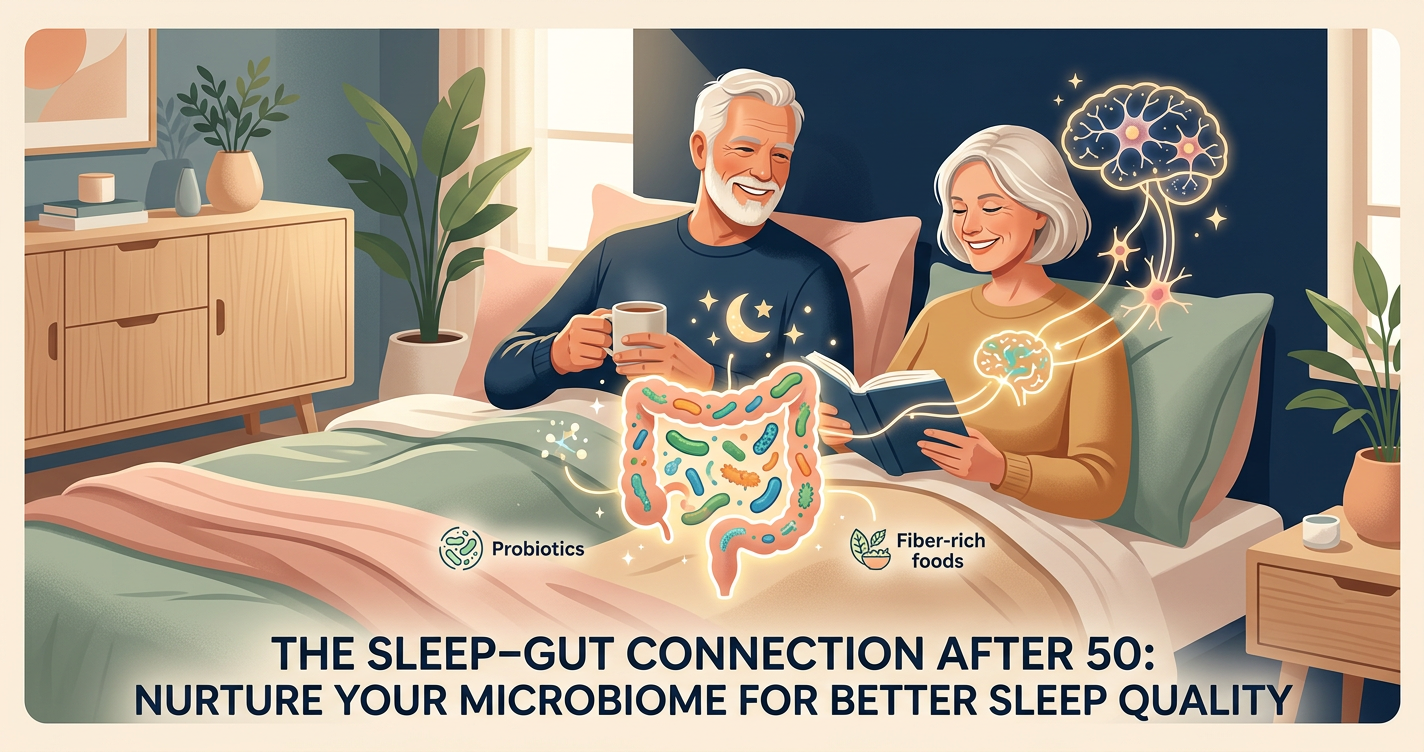
The Internal Symphony: How Your Microbiome Governs the Circadian Rhythm
As we transition into old age, our bodies undergo a series of physiological transformations that often manifest most noticeably in our sleep patterns. Many adults over 50 find themselves waking up earlier, struggling to fall asleep, or feeling unrefreshed after a full night’s rest. While many chalk this up to "just getting older," modern science points to a more complex, internal culprit: the sleep–gut connection. At the heart of this relationship lies the microbiome, a vast ecosystem of trillions of bacteria residing in your digestive tract that acts as a secondary "pacemaker" for your body.
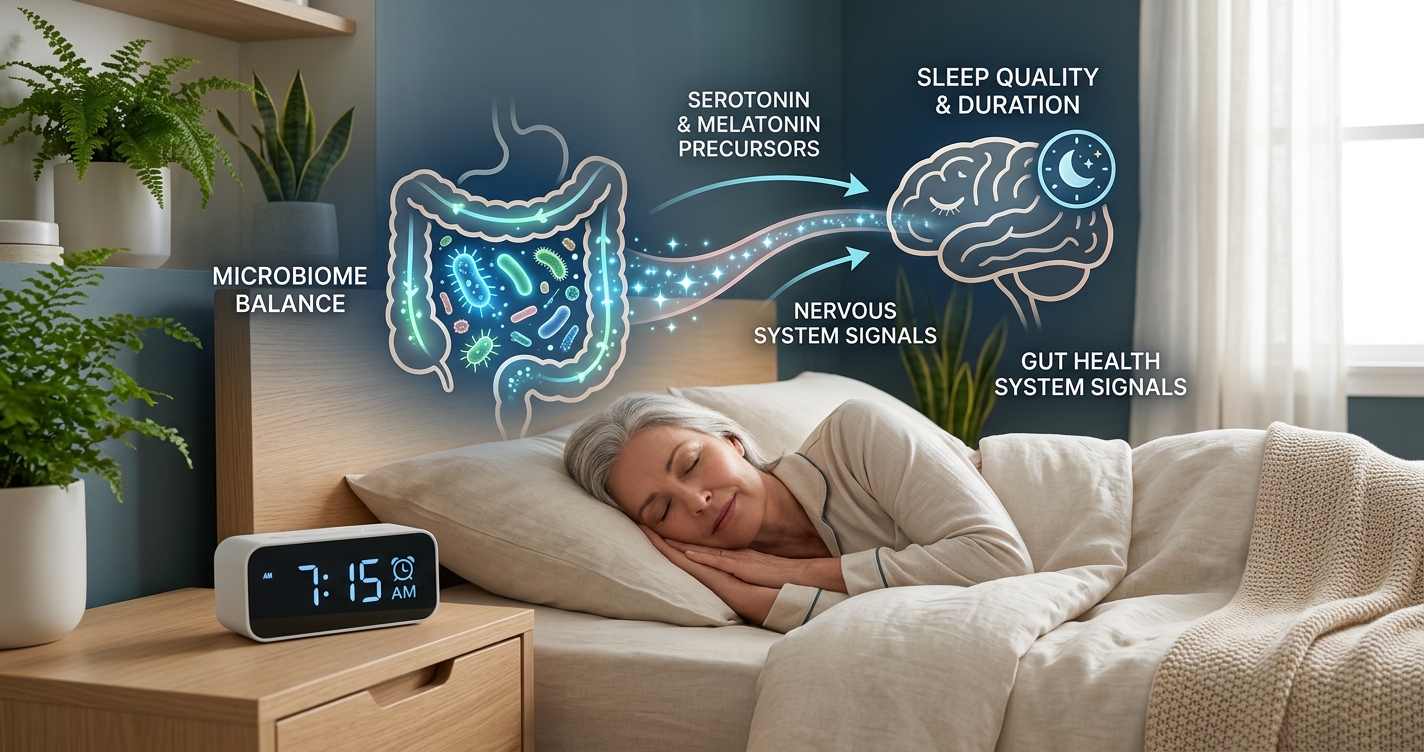
The circadian rhythm, our internal 24-hour clock, is not merely controlled by the brain’s suprachiasmatic nucleus. It is a bidirectional conversation between your brain and your gut. Interestingly, your gut microbes have their own daily rhythms. They fluctuate in composition and function based on when you eat and what you eat. When the health of your microbiome declines—as it often does with age due to changes in diet, medication use, and reduced physical activity—this internal clock can become desynchronized. This desynchronization is a primary driver of sleep disruptions in the over-50 population.
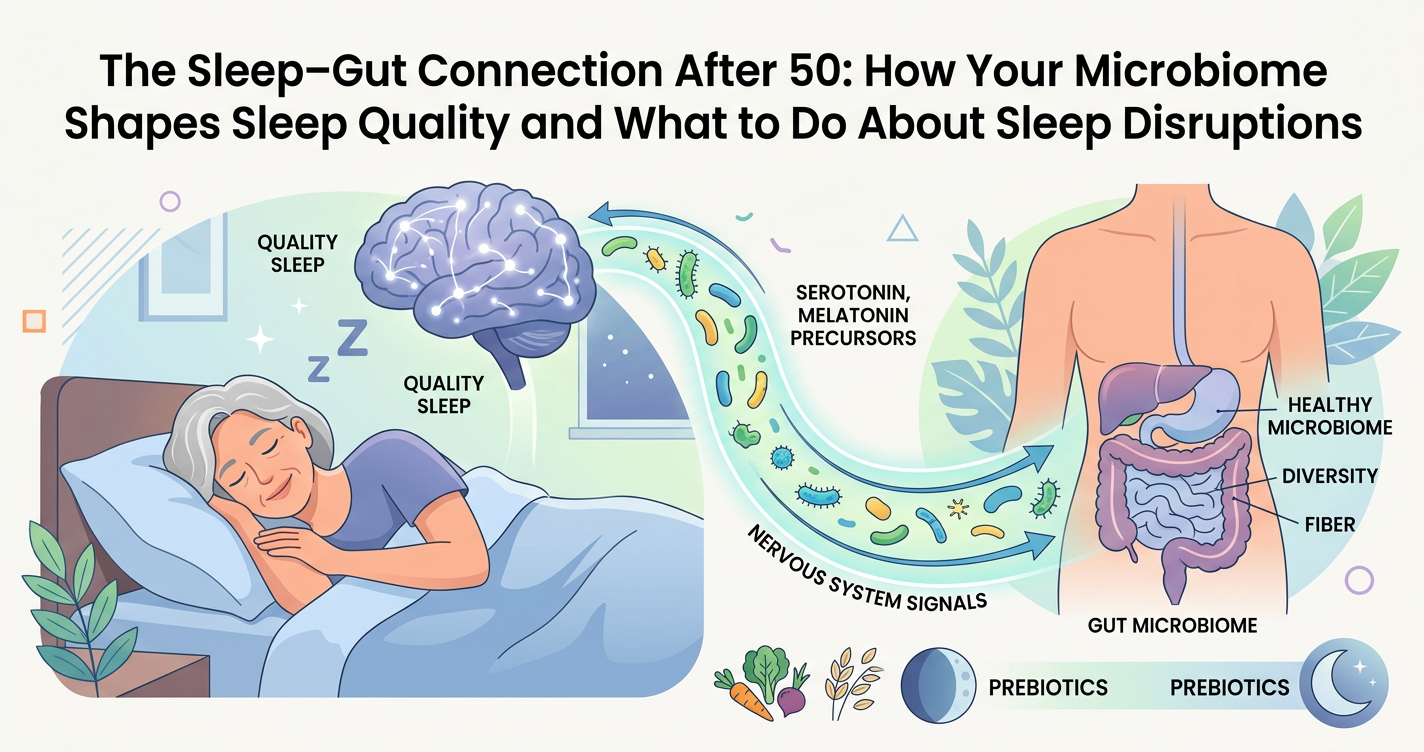
One of the most fascinating aspects of this connection is the production of neurotransmitters. Did you know that a significant portion of the body's serotonin—a precursor to the sleep hormone melatonin—is produced in the gut? If your gut flora is out of balance, your ability to synthesize these critical sleep-inducing chemicals is compromised. Furthermore, a healthy microbiome produces short-chain fatty acids (SCFAs) like butyrate through the fermentation of dietary fiber. These SCFAs have been shown to cross the blood-brain barrier and help regulate sleep-wake cycles, acting as chemical messengers that tell your brain it is time to rest. For those over 50, nurturing this bacterial population is not just about digestion; it is an essential strategy for reclaiming deep, restorative sleep.
The Impact of Aging on Microbial Diversity
The aging process naturally tends to reduce the diversity of our gut bacteria. A less diverse microbiome is more susceptible to "leaky gut," where the intestinal lining becomes permeable, allowing inflammatory markers to enter the bloodstream. This systemic inflammation is a silent thief of sleep, causing the body to remain in a state of high alert, or "sympathetic dominance," rather than transitioning into the "parasympathetic" state required for rest. By understanding that your sleep quality is intrinsically tied to the biological vitality of your gut, you can stop fighting your pillows and start fueling your flora.
Nutritional Architecture: Feeding Your Gut for Better Rest
If the microbiome is the engine of your sleep quality, then your diet is the fuel. To combat sleep disruptions after 50, one must move beyond simple calorie counting and focus on "microbiota-accessible carbohydrates." The most potent tool in your nutritional arsenal is fiber. Fiber acts as a prebiotic, providing the necessary substrate for beneficial bacteria to flourish. When these bacteria feast on fiber, they reward you by producing those vital short-chain fatty acids that soothe the nervous system and promote deep sleep stages.
In addition to fiber, polyphenols play a starring role in the sleep–gut connection. These micronutrients, found in abundance in colorful fruits, vegetables, green tea, and even dark chocolate, act as antioxidants and fuel for specific types of beneficial bacteria like Bifidobacterium and Lactobacillus. Recent studies suggest that a diet high in polyphenols can improve sleep latency—the time it takes to fall asleep—by reducing oxidative stress and fostering a more resilient gut environment. For the mature adult, incorporating a "rainbow" of plant-based foods is a direct investment in a quieter, more peaceful night.
The Role of Prebiotics and Probiotics
To actively shift the balance of your gut, you must consider both prebiotics and probiotics.
Prebiotics: These are non-digestible fibers found in foods like garlic, onions, leeks, bananas, and asparagus. They act as "fertilizer" for the good bacteria already present in your gut.
Probiotics: These are live beneficial bacteria found in fermented foods like yogurt, kefir, sauerkraut, and kimchi. Introducing these into your diet can help replenish populations that may have been depleted by antibiotics or poor dietary choices.
By combining prebiotics and probiotics, you create a "synbiotic" effect that maximizes the health of your microbiome. For someone experiencing old age related insomnia, a evening snack of Greek yogurt (probiotic) with a sliced banana (prebiotic) might be more effective than a pharmaceutical sleep aid, as it addresses the root cause of the disruption rather than masking the symptoms.
Strategic Lifestyle Shifts: Synchronizing Gut and Sleep Protocols
Understanding the connection is the first step, but implementation is where the transformation happens. To mitigate sleep disruptions, you must align your lifestyle with your circadian rhythm. One of the most effective strategies for adults over 50 is "Time-Restricted Eating" (TRE). By limiting your food intake to an 8-to-10-hour window during daylight hours, you give your microbiome a dedicated "rest period." Just like your brain, your gut needs time to perform cellular repair and cleanup (a process known as autophagy) without the burden of digesting new food. Eating too close to bedtime forces the gut to stay active, which raises core body temperature and interferes with the onset of sleep.
Another critical factor is the management of stress, which can be a "gut-punch" to your bacterial balance. High levels of cortisol, the stress hormone, can rapidly alter the composition of your microbiome, leading to a decrease in beneficial species and an overgrowth of opportunistic pathogens. This creates a vicious cycle: stress ruins your gut, a ruined gut ruins your sleep, and a lack of sleep increases your stress. Breaking this cycle requires a multi-pronged approach that includes mindful movement, such as yoga or walking, and consistent sleep hygiene practices.
Designing Your Sleep-Gut Routine
To see real results, consider adopting the following protocol tailored for the 50+ demographic:
Morning Light Exposure: Step outside for 15 minutes within an hour of waking. This sets your circadian rhythm and tells your gut bacteria to begin their daytime metabolic functions.
Hydration with Intent: Drink plenty of water throughout the day to support the mucosal lining of the gut, but taper off in the evening to avoid middle-of-the-night bathroom trips.
The "Fiber-First" Rule: Start your lunch and dinner with a salad or vegetable to ensure your microbiome gets its fiber fix before any processed carbohydrates are consumed.
Evening Wind-Down: Avoid blue light from screens two hours before bed. Blue light suppresses melatonin, but it also negatively impacts the rhythmic activity of certain gut microbes.
In conclusion, your path to better sleep after 50 isn't just about what happens in your bedroom—it's about what happens in your digestive system. By nurturing your microbiome with fiber, polyphenols, and short-chain fatty acids, and by respecting the delicate circadian rhythm of your microscopic inhabitants, you can overcome the sleep disruptions often associated with old age. The sleep–gut connection is a powerful ally; when you take care of your gut, your gut will take care of your sleep.