The Gut-Brain Axis: How Stress Disrupts Digestive Health
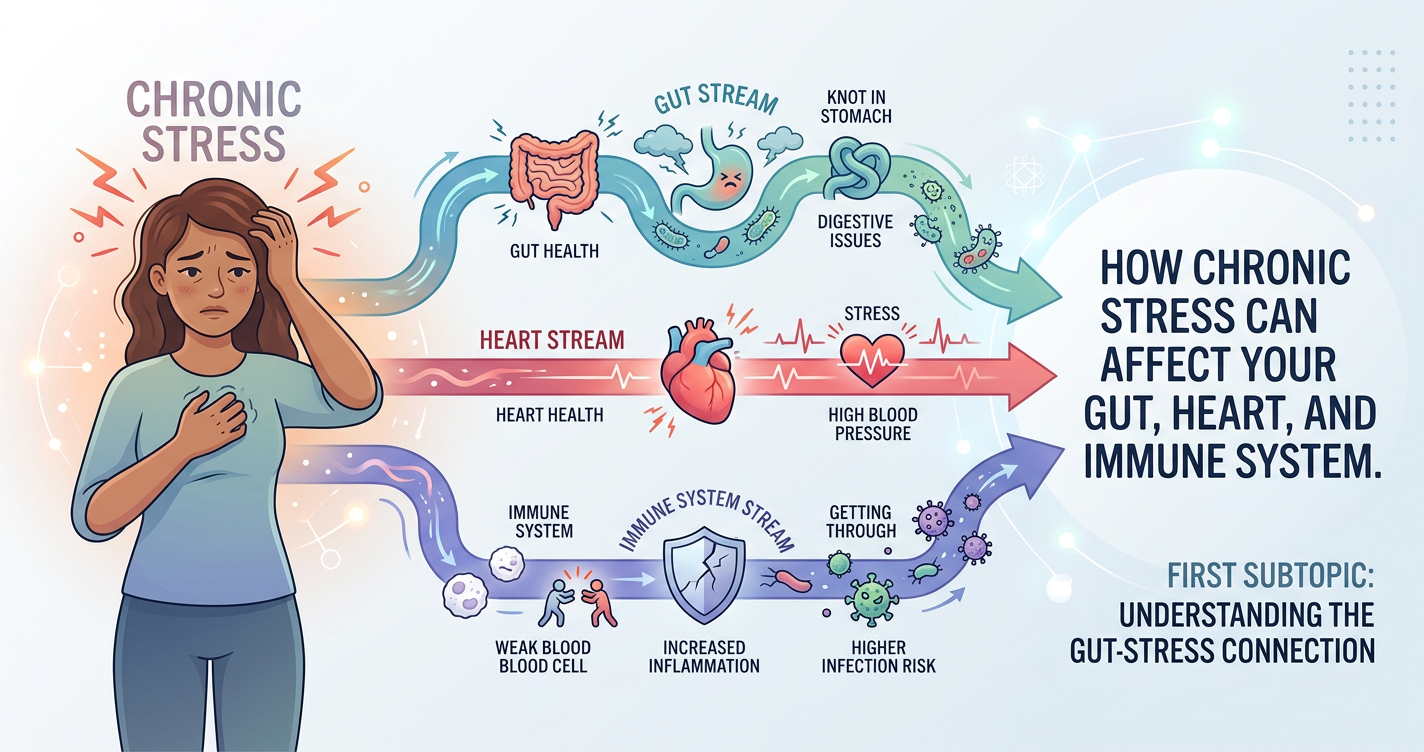
The connection between the mind and the gut is not just a metaphor; it is a complex biological reality known as the gut-brain axis. This bidirectional communication system links the central nervous system with the enteric nervous system, which governs our digestive processes. When we experience chronic stress, the body remains in a constant state of "fight or flight," diverting resources away from digestion to focus on immediate survival. This physiological shift can lead to a host of gastrointestinal issues that go far beyond a simple nervous stomach.
The Impact on Microbiome Diversity
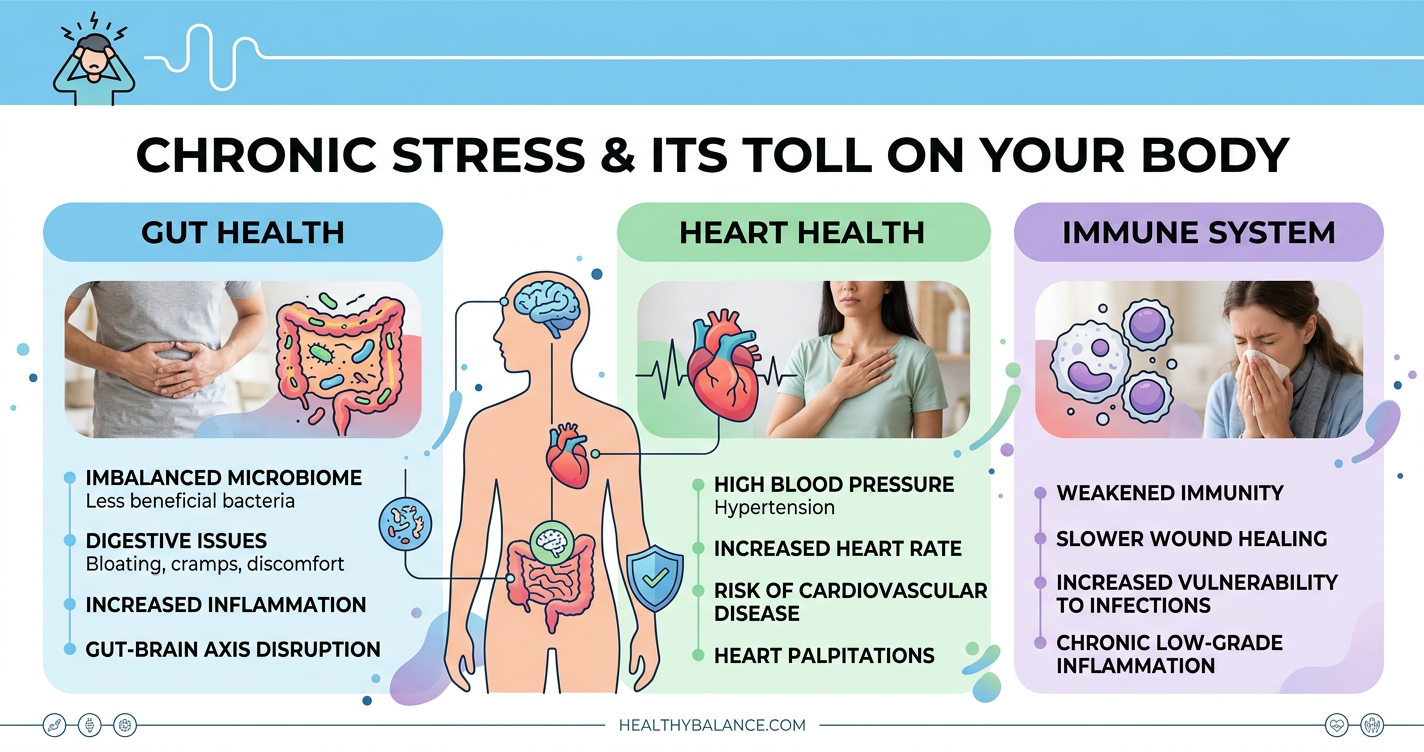
One of the most significant ways chronic stress affects the gut is by altering the balance of the microbiome. Our intestines are home to trillions of bacteria that play a crucial role in nutrient absorption, mood regulation, and immune defense. Prolonged stress triggers the release of cortisol and catecholamines, which can inhibit the growth of beneficial bacteria like Lactobacillus while promoting the overgrowth of potentially harmful pathogens. This imbalance, known as dysbiosis, is often linked to chronic inflammation and increased sensitivity to pain within the digestive tract.
Leaky Gut and Systemic Inflammation
Chronic stress also compromises the integrity of the intestinal barrier. Under normal conditions, the gut lining acts as a tight filter, allowing nutrients to pass into the bloodstream while keeping toxins and undigested food particles out. However, elevated cortisol levels can weaken these "tight junctions," leading to a condition commonly referred to as increased intestinal permeability, or "leaky gut." When foreign particles escape into the bloodstream, they trigger a systemic inflammatory response, which can exacerbate conditions like Irritable Bowel Syndrome (IBS), Crohn’s disease, and food intolerances.
Increased production of stomach acid leading to heartburn or ulcers.
Changes in gut motility, resulting in either diarrhea or constipation.
Heightened visceral sensitivity, making normal digestive processes feel painful.
The Heart Under Pressure: Cardiovascular Consequences of Stress
While the heart is often associated with emotions, its physical health is deeply susceptible to the long-term effects of psychological strain. Chronic stress acts as a persistent catalyst for cardiovascular strain, forcing the heart to work harder and faster than it was designed to for extended periods. This constant exertion can lead to structural changes in the heart and blood vessels, significantly increasing the risk of cardiovascular disease.
Hypertension and Arterial Damage
When you are stressed, your body releases a surge of adrenaline, which increases your heart rate and constricts your blood vessels. In a short-term emergency, this is beneficial. However, when this response becomes chronic, it leads to hypertension, or high blood pressure. Over time, the force of blood against the arterial walls causes micro-tears. The body repairs these tears using plaque, a combination of fat, cholesterol, and calcium. This process, known as atherosclerosis, narrows the arteries and restricts blood flow, which is a primary driver of heart attacks and strokes.
The Role of Cortisol in Cholesterol and Blood Sugar
Cortisol, the primary stress hormone, plays a double-edged role in heart health. While it helps manage energy during a crisis, chronic elevation of cortisol contributes to the buildup of visceral fat—the dangerous fat stored around internal organs. Furthermore, stress-induced cortisol release can increase blood sugar levels and triglyceride levels. These metabolic shifts contribute to metabolic syndrome, a cluster of conditions that dramatically raise the risk of coronary artery disease. Furthermore, stress can trigger "broken heart syndrome" (takotsubo cardiomyopathy), a temporary heart condition that mimics a heart attack and is brought on by stressful situations.
Chronic inflammation of the coronary arteries.
Irregular heart rhythms (arrhythmias) due to autonomic nervous system imbalance.
Increased blood viscosity, making clots more likely to form.
The Immune System: Why Stress Makes You Susceptible to Illness
It is a common observation that people often fall ill after a period of intense pressure at work or home. This is not a coincidence; it is the result of the immunosuppressive effects of chronic stress. While short-term stress can actually give the immune system a temporary boost (a survival mechanism to prepare for potential injury), long-term stress does the exact opposite, leaving the body vulnerable to infections and slowing down the healing process.
Cortisol Resistance and the Inflammatory Response
Cortisol is naturally an anti-inflammatory hormone. In the short term, it helps the body manage inflammation. However, when the body is constantly flooded with cortisol due to chronic stress, the immune cells begin to develop a "resistance" to it. This means the immune system can no longer effectively regulate the inflammatory response. As a result, the body remains in a state of low-grade, chronic inflammation. This persistent inflammation is a common thread in many modern diseases, including diabetes, certain types of cancer, and autoimmune disorders where the body begins to attack its own tissues.
Reduction in White Blood Cells
Chronic stress significantly lowers the body’s production of lymphocytes—the white blood cells that serve as the body’s first line of defense against viruses and bacteria. Specifically, it reduces the activity of Natural Killer (NK) cells and T-cells, which are essential for identifying and destroying infected cells. With a weakened army of lymphocytes, you are more likely to catch the common cold, the flu, and other respiratory infections. Furthermore, chronic stress can reactivate latent viruses already in the body, such as the shingles virus or the herpes simplex virus.
Slow Wound Healing and Vaccine Efficacy
The impact of stress on the immune system is so profound that it even affects how our bodies respond to medical interventions. Studies have shown that individuals under high levels of stress take significantly longer to heal from physical wounds and surgeries. This is because the chemical signals required for tissue repair are dampened by stress hormones. Additionally, chronic stress can reduce the effectiveness of vaccines, as the immune system is less capable of producing a robust antibody response to the introduced antigen.
Higher frequency of common infections and longer recovery times.
Increased risk of developing autoimmune conditions like rheumatoid arthritis.
Exacerbation of skin conditions such as eczema, psoriasis, and acne.
In conclusion, the physiological toll of chronic stress is expansive, affecting the gut, the heart, and the immune system in a complex web of interactions. Recognizing these signs is the first step toward mitigation. By implementing stress-management techniques such as mindfulness, regular exercise, and adequate sleep, you can help restore balance to these vital systems and protect your long-term health.