As we navigate the inevitable progression of time, the quest for longevity often leads us away from the fountain of youth and toward the intricate world of molecular biology. At the heart of this journey lies the concept of cellular health—the fundamental building block of our vitality. While aging is a natural biological process, the speed and quality of that process are heavily influenced by the balance of chemistry within our bodies. Central to this balance is the role of antioxidants, powerful molecules that act as the internal defense system against cellular decay. Understanding how these substances interact with our cells is not just an academic exercise; it is a roadmap to aging with grace, energy, and resilience.
Understanding Oxidative Stress and the Biology of Aging
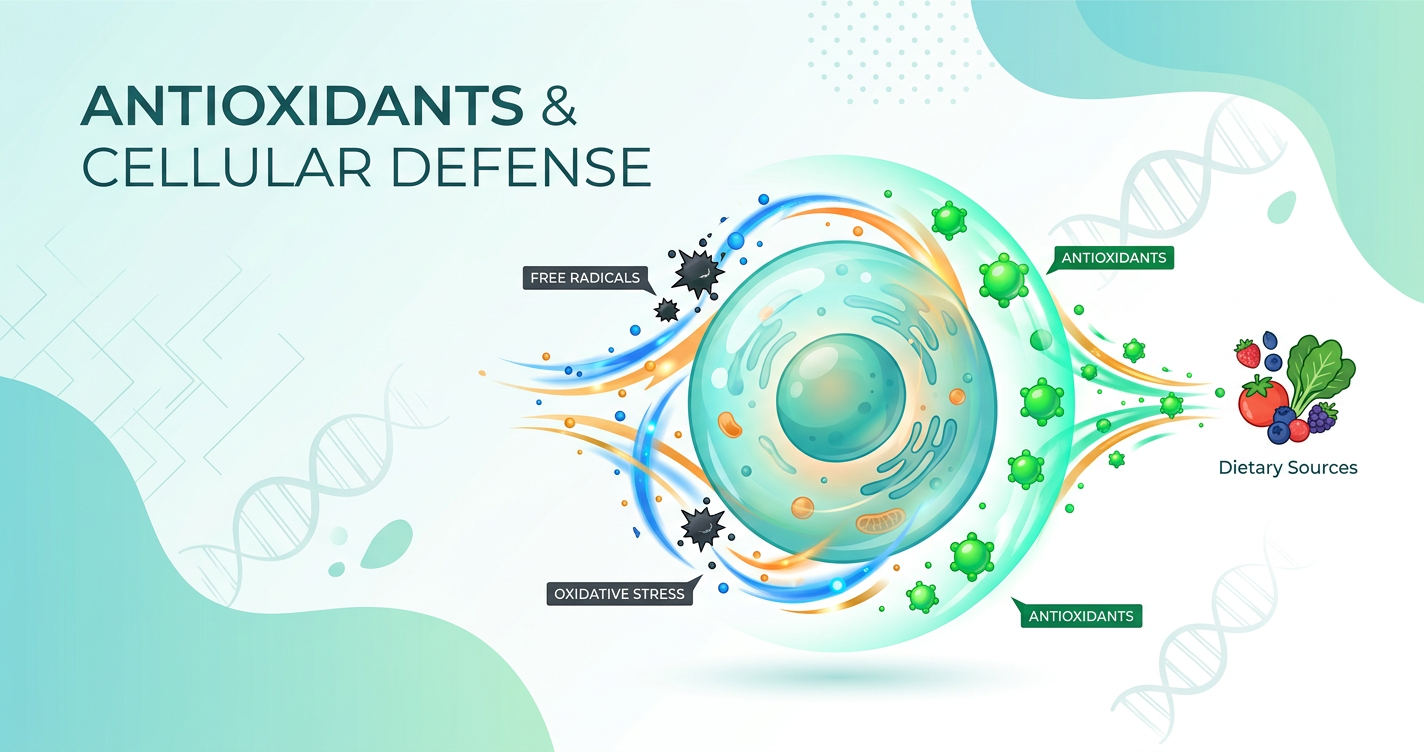
To appreciate the value of antioxidants, we must first understand the primary threat they neutralize: oxidative stress. This phenomenon occurs when there is an imbalance between the production of free radicals and the body’s ability to counteract their harmful effects. Free radicals are unstable atoms or molecules that possess an unpaired electron. In their quest to become stable, they aggressively "steal" electrons from neighboring molecules, such as proteins, lipids, and even our DNA. This process, known as oxidation, is similar to how metal rusts or an apple turns brown when exposed to air.
The Source of Free Radicals
It is a common misconception that free radicals are purely "bad" or entirely environmental. In reality, they are a byproduct of normal metabolic processes. When our mitochondria—the powerhouses of our cells—convert glucose and oxygen into energy (ATP), they naturally leak a small amount of reactive oxygen species (ROS). However, the modern world significantly accelerates this production. External factors that contribute to an overload of free radicals include:
Excessive exposure to UV radiation and environmental pollutants.
Poor dietary choices, particularly high consumption of processed sugars and trans fats.
Chronic psychological stress and lack of sleep.
Substance use, including smoking and excessive alcohol consumption.
How Oxidative Damage Accelerates Aging
As we age, our endogenous antioxidant production naturally declines, and the cumulative damage from oxidative stress begins to manifest. This damage is a hallmark of the "Free Radical Theory of Aging." When DNA is damaged by oxidation, it can lead to mutations or cell death. When cell membranes (lipids) are oxidized, communication between cells breaks down. Over decades, this cellular wear-and-tear contributes to the visible signs of aging, such as wrinkles and loss of skin elasticity, as well as the internal progression of age-related conditions like cardiovascular decline, neurodegeneration, and metabolic dysfunction.
The Mechanism of Antioxidants: Nature’s Cellular Shields
Antioxidants are the biological heroes in this narrative. Their primary function is to donate an electron to a free radical, neutralizing it before it can cause damage to vital cellular structures. What makes antioxidants unique is their stability; they can give up an electron without becoming unstable free radicals themselves. This self-sacrificing nature prevents a domino effect of cellular destruction.
Endogenous vs. Exogenous Antioxidants
The human body is equipped with its own internal production line of antioxidants, known as endogenous antioxidants. These include enzymes like superoxide dismutase (SOD), catalase, and glutathione—often referred to as the "master antioxidant." These enzymes work 24/7 to mop up the metabolic byproducts of energy production. However, because our internal systems can become overwhelmed by environmental stressors and the biological reality of aging, we must rely on exogenous antioxidants—those we consume through our diet.
Key Antioxidants for Cellular Integrity
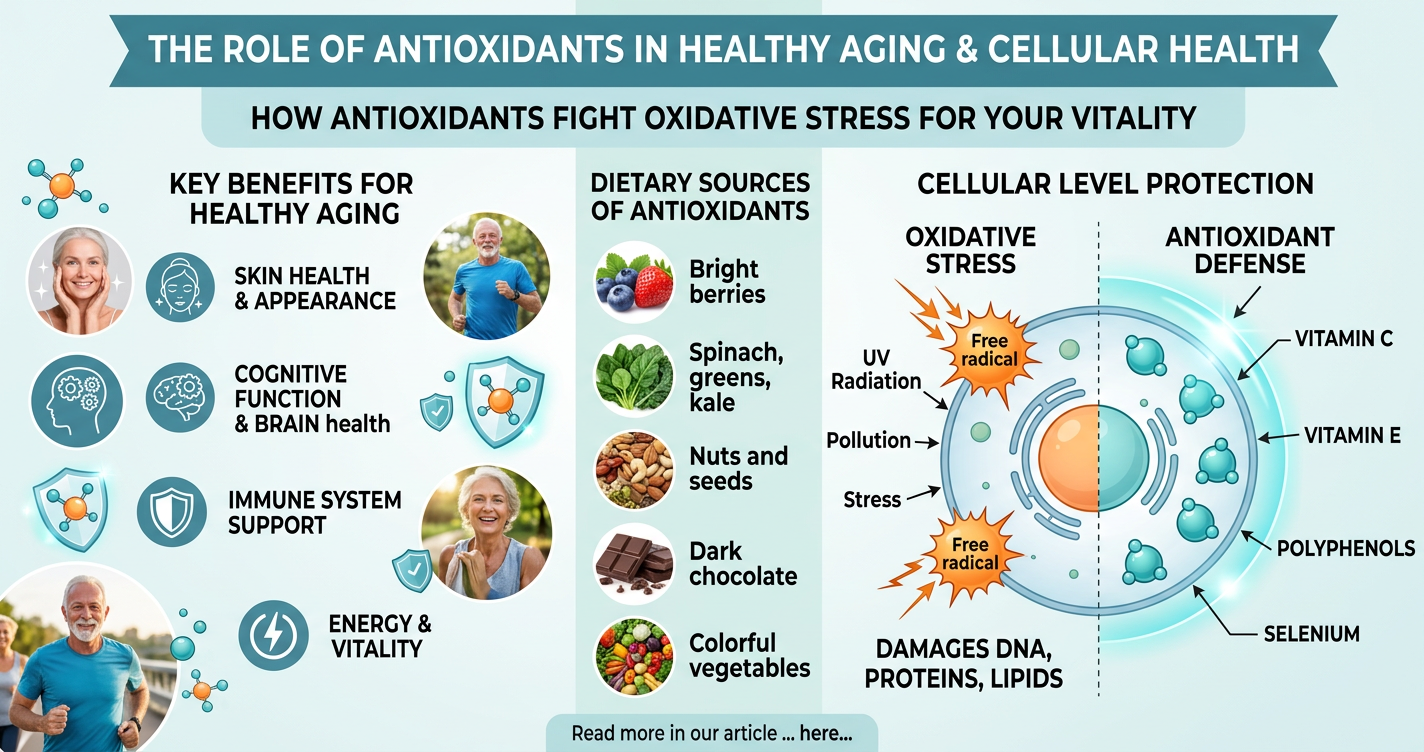
Different antioxidants serve different roles within the cell, depending on whether they are water-soluble or fat-soluble. To maintain comprehensive cellular health, a diverse range of these molecules is required:
Vitamin C: A water-soluble powerhouse that protects the fluid inside and around cells. It is also essential for the regeneration of other antioxidants, like Vitamin E.
Vitamin E: A fat-soluble antioxidant that lives within cell membranes, protecting them from lipid peroxidation.
Polyphenols: Found in plants, these compounds (like resveratrol in grapes or EGCG in green tea) trigger genetic pathways that enhance the body’s own antioxidant defenses.
Carotenoids: Such as beta-carotene, lutein, and lycopene, which are specifically effective at protecting the eyes and skin from light-induced oxidative damage.
By maintaining a steady supply of these diverse molecules, the body can effectively manage the "oxidative load," ensuring that the repair mechanisms of the cell can keep up with the rate of damage. This balance is what scientists often refer to as "redox homeostasis," the golden state of cellular health.
Strategies for Optimizing Antioxidant Intake and Longevity
While understanding the science is the first step, the ultimate goal is practical application. Protecting your cellular health through antioxidants requires a multi-faceted approach that combines dietary wisdom with lifestyle modifications. It is not about taking a single "miracle pill," but rather creating an internal environment where antioxidants can thrive and function efficiently.
The Power of a Colorful Diet
The most effective way to source antioxidants is through whole, plant-based foods. Nature has conveniently color-coded these nutrients. The pigments that give fruits and vegetables their vibrant hues are often the antioxidants themselves. For example, the deep blue of berries comes from anthocyanins, while the bright orange of carrots comes from beta-carotene. To maximize your cellular protection, strive for "the rainbow" on your plate:
Dark Leafy Greens: Rich in lutein and Vitamin C.
Deep Red and Purple Fruits: Such as blackberries, pomegranate, and cherries, which are dense in flavonoids.
Cruciferous Vegetables: Broccoli and kale contain sulforaphane, which activates the Nrf2 pathway, a genetic switch that turns on the body's internal antioxidant production.
Nuts and Seeds: Excellent sources of Vitamin E and selenium, a mineral that acts as a cofactor for antioxidant enzymes.
Lifestyle Habits That Support Cellular Health
Diet is only one piece of the puzzle. To truly support healthy aging, we must also reduce the rate at which we produce free radicals. Periodic fasting or caloric restriction has been shown in various studies to improve mitochondrial efficiency, thereby reducing the "leakage" of free radicals. Furthermore, moderate regular exercise boosts the body's natural production of endogenous antioxidants, though it is important to avoid overtraining, which can actually increase oxidative stress beyond what the body can handle.
The Role of Supplementation
In our modern, high-stress world, some may consider antioxidant supplements. While beneficial in specific contexts, caution is required. Research suggests that high doses of isolated antioxidant supplements can sometimes interfere with the body’s natural signaling processes—for example, preventing the beneficial adaptations that come from exercise. The goal should always be "food first," using high-quality supplements only to fill specific nutritional gaps under professional guidance. By prioritizing a lifestyle that respects cellular biology, we can effectively slow the clock and enhance the quality of our years, ensuring that our cells remain vibrant and functional well into late life.