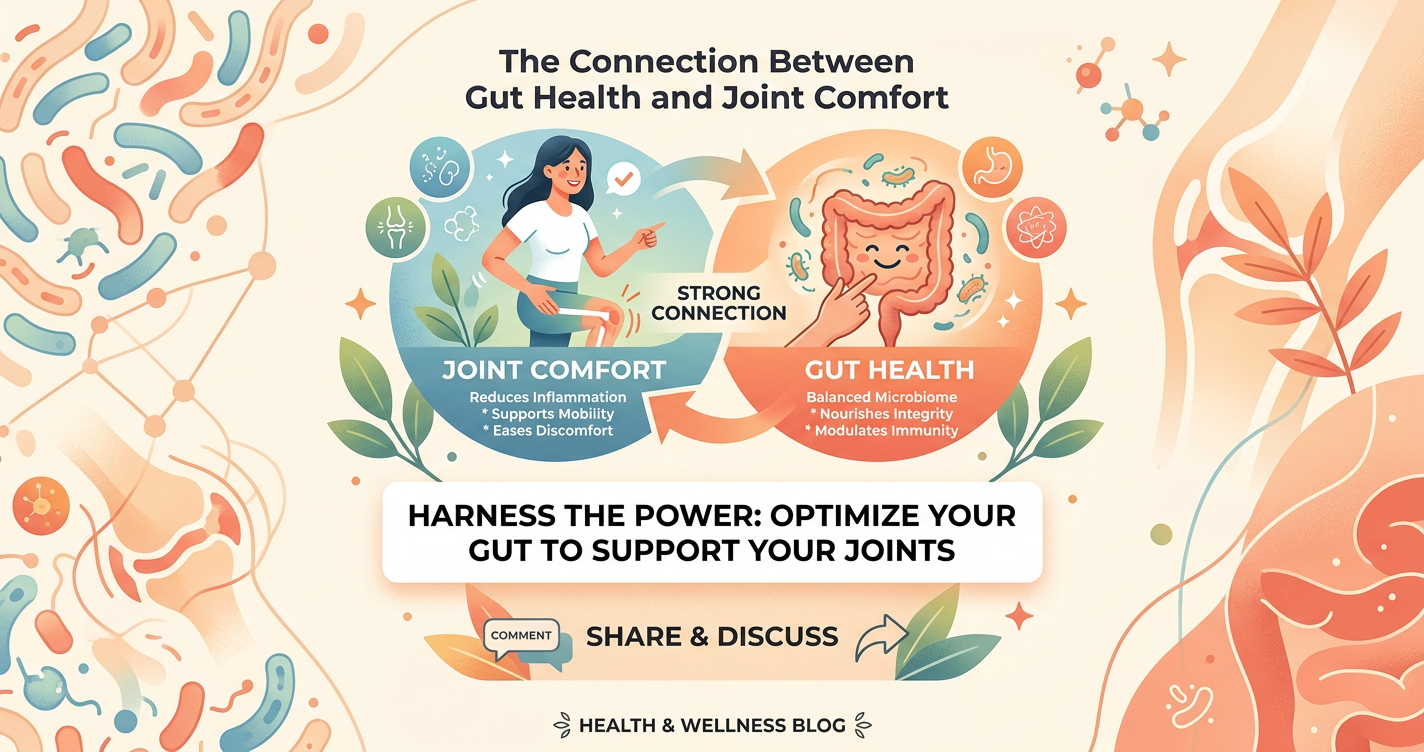
The Biological Link: How Your Microbiome Influences Joint Integrity
For decades, the fields of gastroenterology and orthopedics were viewed as entirely separate domains. If you had digestive issues, you saw one specialist; if your knees or fingers ached, you saw another. However, groundbreaking research over the last decade has revealed a profound biological highway connecting the two: the gut-joint axis. This connection suggests that the health of your joints—specifically the level of comfort, flexibility, and longevity they maintain—is inextricably linked to the diverse ecosystem of bacteria living in your digestive tract.
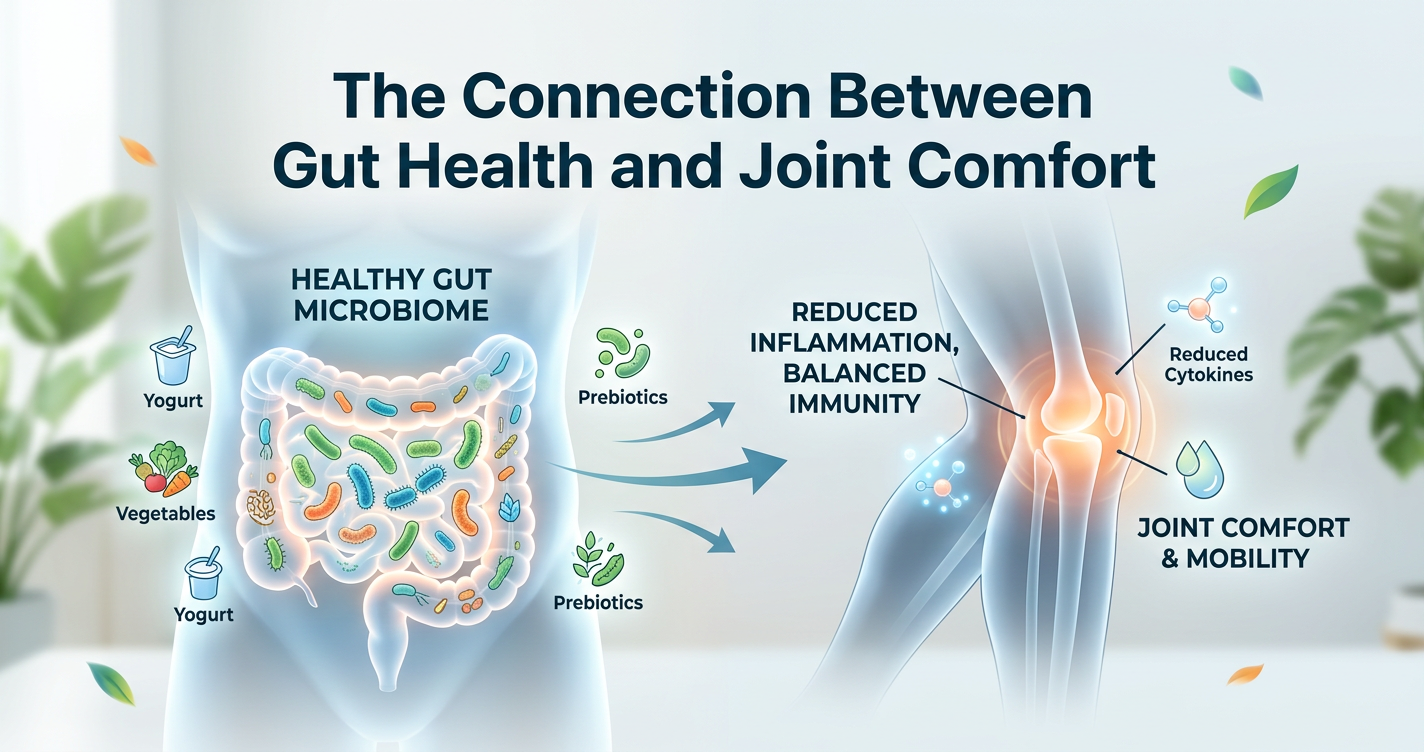
The human gut is home to trillions of microorganisms, collectively known as the microbiome. These bacteria do far more than just break down food; they act as the primary educators of the immune system. Approximately 70% to 80% of our immune cells reside in the gut. When the balance of these bacteria is disrupted—a state known as dysbiosis—the immune system can become overactive. This systemic activation doesn't stay confined to the gut; it sends biochemical signals throughout the body, often settling in the synovial fluid surrounding our joints.
One of the primary mechanisms behind this connection is "leaky gut" or intestinal permeability. When the lining of the intestines becomes compromised due to poor diet, stress, or toxin exposure, undigested food particles and bacterial byproducts can leak into the bloodstream. The body recognizes these as foreign invaders, triggering a cascade of inflammatory cytokines. These molecules travel to the joints, where they can degrade cartilage and cause the stiffness and discomfort many associate with aging, but which may actually be a symptom of internal imbalance.
The Role of Short-Chain Fatty Acids (SCFAs)
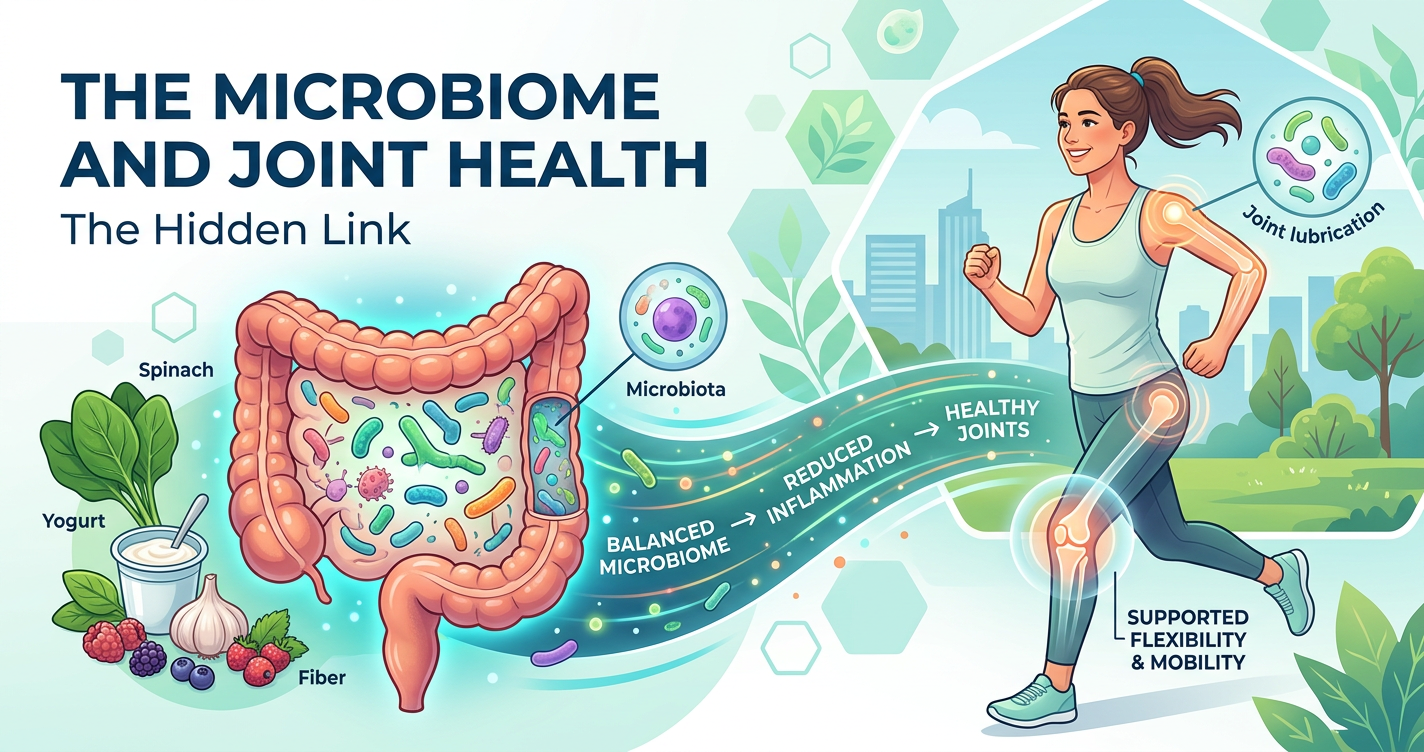
Beneficial gut bacteria produce compounds called short-chain fatty acids, such as butyrate, during the fermentation of fiber. These SCFAs serve as powerful anti-inflammatory agents. They help maintain the integrity of the intestinal barrier and have been shown to inhibit the production of enzymes that break down joint collagen. By nurturing the right bacteria, you are essentially producing your own internal "joint lubricant" and protective shield.
Dietary Strategies to Heal the Gut and Soothe the Joints
If the gut is the source of much joint discomfort, then the kitchen is the first place we should look for a solution. A diet designed to support both the microbiome and joint integrity focuses on reducing inflammatory triggers while providing the building blocks for tissue repair. This approach is often referred to as an anti-inflammatory or "Mediterranean" style of eating, but with a specific focus on prebiotic and probiotic diversity.
To cultivate a microbiome that supports joint comfort, consider integrating the following dietary pillars:
High-Fiber Plant Diversity: Bacteria thrive on variety. Aiming for 30 different plant types per week ensures a wide range of prebiotic fibers that feed different beneficial bacterial strains. This includes colorful vegetables, fruits, legumes, and ancient grains.
Omega-3 Fatty Acids: Found in wild-caught salmon, walnuts, and flaxseeds, these fats are famous for reducing joint stiffness. Interestingly, they also help diversify the gut microbiome, creating a dual-action benefit.
Polyphenol-Rich Foods: Berries, green tea, and dark chocolate contain compounds that act as antioxidants. These protect joint cells from oxidative stress and have been shown to promote the growth of "good" bacteria like Bifidobacteria.
Fermented Foods: Nature’s probiotics—like sauerkraut, kimchi, kefir, and kombucha—introduce live beneficial cultures directly into the system, helping to crowd out the pro-inflammatory microbes that contribute to joint distress.
Identifying Hidden Triggers
Just as important as what you add is what you remove. High-sugar diets and highly processed vegetable oils (rich in Omega-6) have been shown to alter the gut flora in ways that promote systemic inflammation. Excess sugar, in particular, feeds harmful yeast and bacteria that can damage the intestinal lining, leading to those inflammatory leaks that eventually target the joints. Many people find that reducing gluten and dairy can also lessen joint pressure, as these are common sensitivities that contribute to gut permeability.
Lifestyle Interventions for Long-Term Gut and Joint Harmony
While diet is foundational, the gut-joint axis is also influenced by our daily habits, stress levels, and movement patterns. The body functions as an integrated whole, and addressing lifestyle factors is essential for maintaining the gains made through nutritional changes. When we manage our external environment, our internal environment—the microbiome—stabilizes, leading to more resilient joints.
Stress management is perhaps the most overlooked aspect of joint health. The "vagus nerve" serves as the main communication line between the brain and the gut. Chronic stress keeps the body in a "fight or flight" mode, which slows digestion and can alter the composition of gut bacteria within hours. This shift increases the production of cortisol, which in high amounts can lead to the breakdown of connective tissues and increased joint sensitivity.
Consider the following lifestyle habits for comprehensive support:
Hydration and the Mucosal Lining: The gut lining and the synovial fluid in joints both rely heavily on hydration. Drinking adequate filtered water ensures the protective mucosal layer in the gut remains thick and that joints stay properly cushioned.
Movement as "Internal Massage": Moderate, low-impact exercise like walking, swimming, or yoga stimulates the movement of the digestive tract (peristalsis) and encourages the circulation of lymph fluid, which helps clear inflammatory debris from the joints.
Prioritizing Sleep: During deep sleep, the body undergoes "housekeeping" in both the gut and the musculoskeletal system. Growth hormones are released to repair joint tissues, and the microbiome follows its own circadian rhythm to maintain balance.
Mindful Supplementation: Beyond food, certain supplements can bridge the gap. Glucosamine and chondroitin are classic choices for joints, but pairing them with a high-quality, multi-strain probiotic can enhance their efficacy by ensuring the body isn't in a constant state of digestive-led inflammation.
The Path Forward: Listening to Your Body
The journey to better joint comfort often begins in the gut. By viewing joint stiffness not as an isolated mechanical failure, but as a signal from your internal ecosystem, you empower yourself to take a more holistic approach to aging and wellness. It may take several weeks for changes in the microbiome to reflect in how your joints feel, but the results are often more sustainable than temporary fixes. When you nourish your gut, you are quite literally building the foundation for a body that moves with ease and grace for years to come.