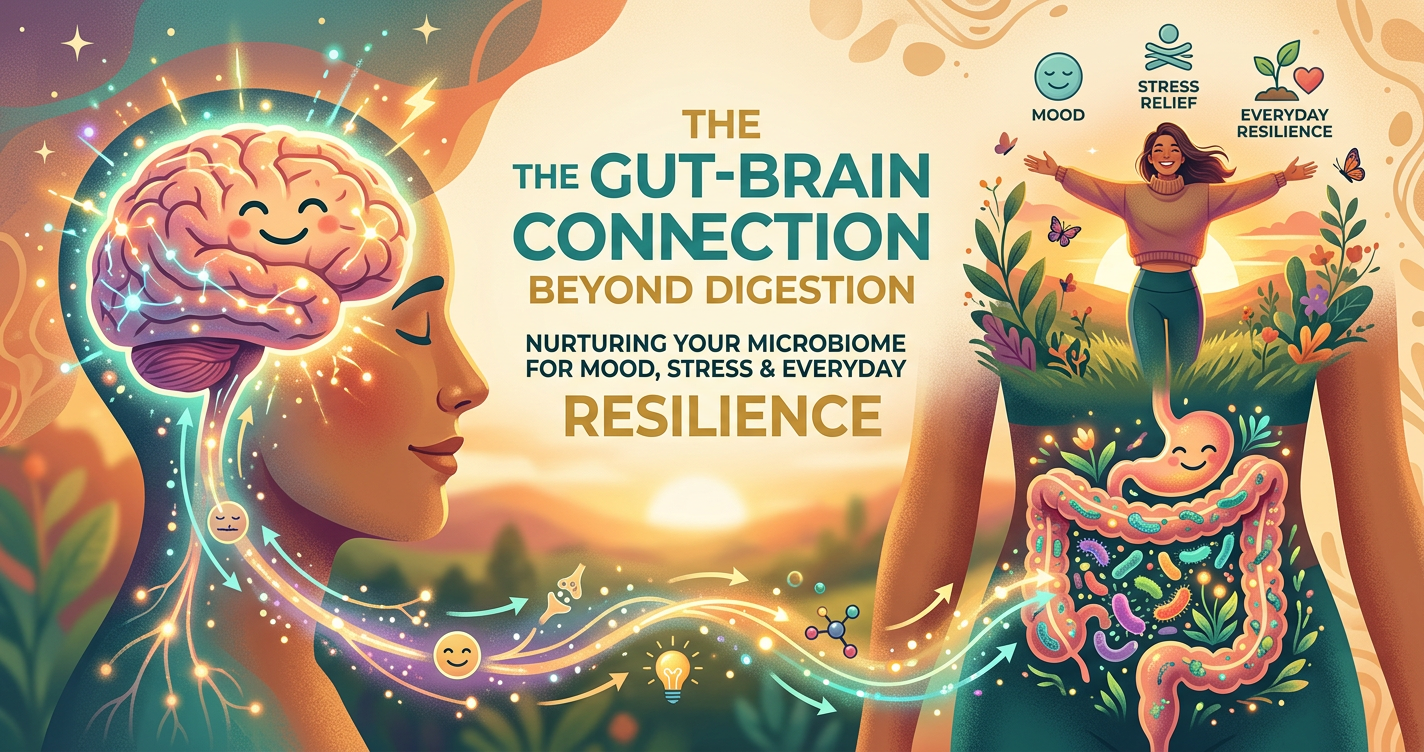
For decades, the fields of gastroenterology and psychology were treated as distinct continents, separated by a vast physiological ocean. We viewed the gut as a simple processing plant for nutrients and the brain as the isolated commander-in-chief of our emotions and thoughts. However, recent breakthroughs in microbiology and neuroscience have revealed a hidden superhighway connecting these two worlds: the gut-brain axis. This bidirectional communication system suggests that your digestive tract is not just responsible for breaking down lunch; it is a primary architect of your mental health, your reaction to stress, and your daily emotional resilience.
The Biological Superhighway: Understanding the Communication Network
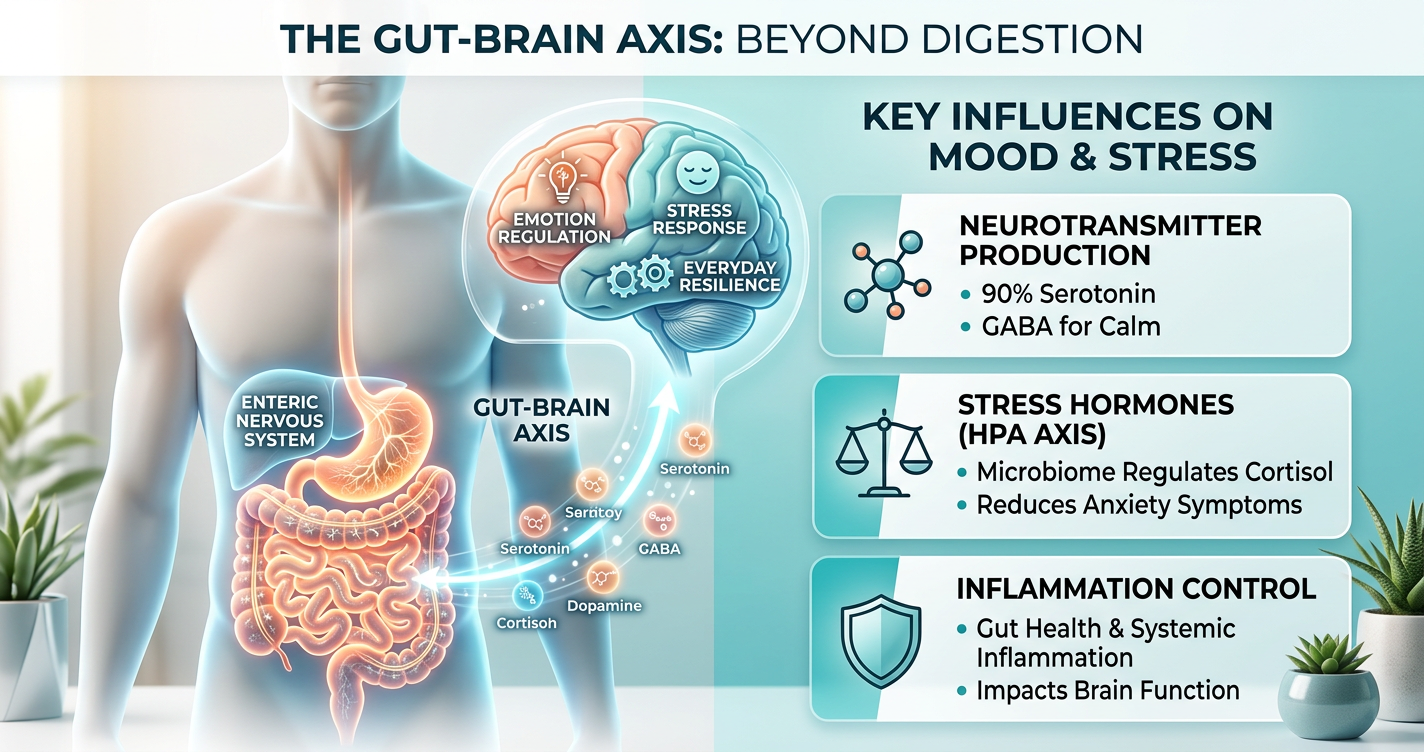
The gut-brain axis is not a single connection but a complex network involving nervous, endocrine, and immune pathways. The most prominent player in this system is the Vagus nerve, a massive neural cable that runs directly from the brainstem to the abdomen. Interestingly, roughly 80-90% of the fibers in the Vagus nerve are sensory, meaning they carry information up from the gut to the brain, rather than the other way around. This reveals that the gut is constantly "reporting" its status to the emotional centers of the brain.
Beyond direct wiring, the gut acts as an endocrine organ. The trillions of bacteria living in your intestines—collectively known as the microbiome—are essentially miniature chemical factories. They produce a staggering array of neurochemicals that the brain uses to regulate memory, learning, and mood. For instance, it is estimated that about 95% of the body's serotonin, the "feel-good" neurotransmitter, is produced in the gut. While gut-derived serotonin does not cross the blood-brain barrier directly, it influences the signaling pathways that dictate how the brain perceives happiness and anxiety.
The Role of Short-Chain Fatty Acids (SCFAs)
When your gut bacteria ferment dietary fiber, they produce metabolites known as short-chain fatty acids, such as butyrate, propionate, and acetate. These SCFAs are crucial for brain health. They help maintain the integrity of the blood-brain barrier, acting as a filter that prevents harmful substances from entering the brain. Furthermore, these metabolites have anti-inflammatory properties that can dampen neuroinflammation, a state often linked to clinical depression and cognitive decline.
The Vagus Nerve: The physical bridge allowing instant bio-feedback.
Neurotransmitter Synthesis: The production of GABA, dopamine, and serotonin within the gut walls.
The Immune Connection: The gut houses 70% of the immune system, which signals the brain through cytokines.
The Microbiome and the Stress Response: A Feedback Loop
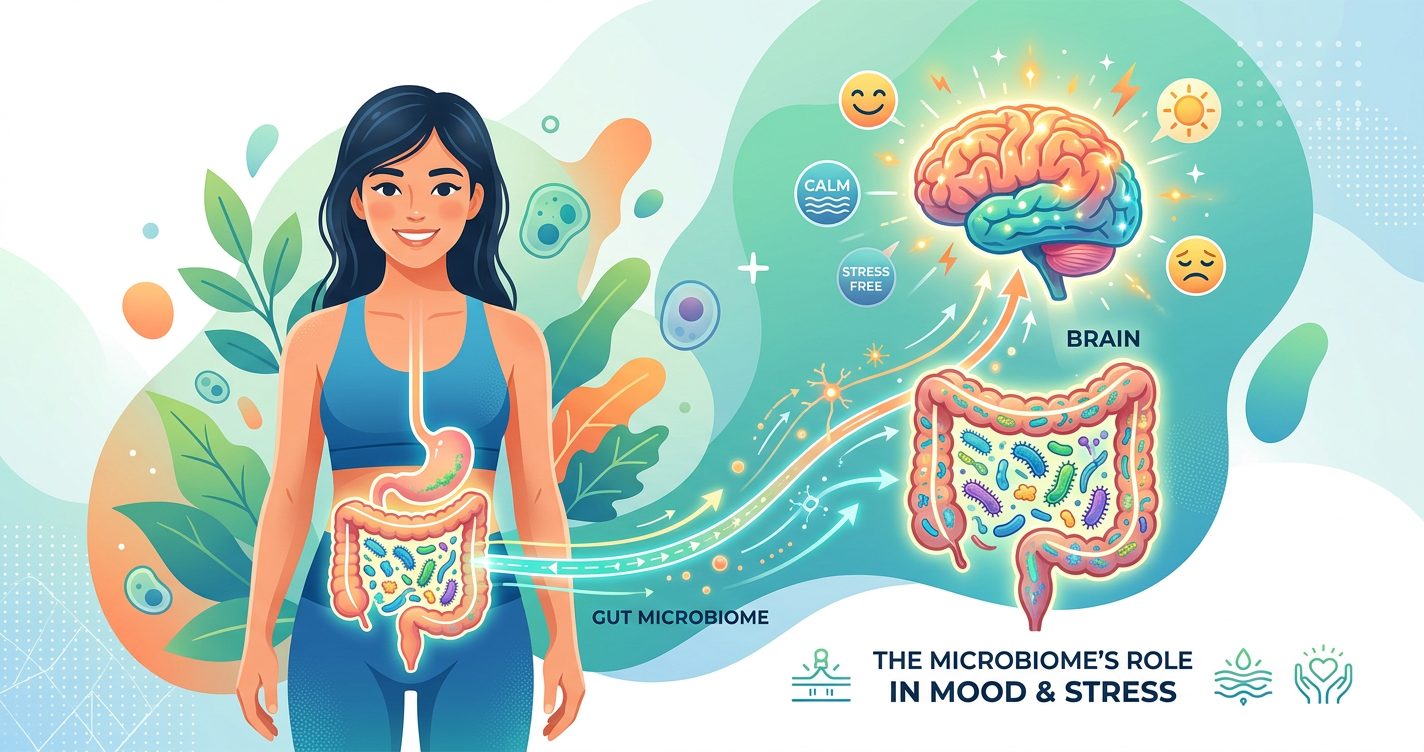
We have all felt "butterflies" in our stomach before a big presentation or experienced digestive distress during a high-stakes week at work. This is the gut-brain axis in action. When the brain perceives a threat, it triggers the Hypothalamic-Pituitary-Adrenal (HPA) axis, releasing cortisol. This stress hormone can increase intestinal permeability—often called "leaky gut"—which allows bacterial byproducts to slip into the bloodstream, triggering systemic inflammation.
However, the conversation goes both ways. An unbalanced microbiome, a state known as dysbiosis, can actually prime the HPA axis to be hyper-reactive. This means that if your gut health is poor, you may find yourself feeling more stressed by minor inconveniences than you would if your microbiome were thriving. This creates a vicious cycle: stress damages the gut, and a damaged gut makes you more vulnerable to stress.
Cultivating Everyday Resilience
Resilience is the ability to bounce back from adversity. Research suggests that a diverse microbiome acts as a buffer against the negative effects of chronic stress. In studies involving "germ-free" mice (animals raised without any bacteria), researchers found that these subjects exhibited exaggerated stress responses and social anxiety. When their guts were colonized with specific beneficial bacteria, their stress levels normalized. This has led to the emerging field of "psychobiotics"—probiotics that, when ingested in adequate amounts, yield a health benefit in patients suffering from psychiatric illness.
Building resilience through the gut involves more than just avoiding "junk" food. It requires an active strategy to nourish the microbial species that support emotional stability. High-fiber diets, rich in prebiotics like garlic, leeks, and onions, provide the fuel these bacteria need to produce those all-important mood-regulating metabolites.
Actionable Steps: Nurturing Your Gut for a Better Mind
Understanding the gut-brain axis empowers us to take control of our mental well-being through lifestyle choices. Since the microbiome is dynamic and responds rapidly to dietary changes, you can begin to influence your mood and stress levels in as little as a few weeks. The goal is to foster a "diverse internal garden" where various species of bacteria can coexist and support different aspects of your physiology.
Dietary Diversification
The single most important factor for a healthy microbiome is diversity. Aim to eat 30 different types of plants per week. This sounds daunting, but it includes nuts, seeds, herbs, spices, fruits, and vegetables. Each plant contains different fibers that feed different bacterial strains. The more diverse your diet, the more diverse your microbiome, and the more resilient your brain becomes.
The Power of Fermentation
Fermented foods are natural sources of probiotics that can help seed the gut with beneficial organisms. Integrating these into your daily routine can provide a steady stream of "good" bacteria to compete with potentially harmful strains.
Kefir and Yogurt: Rich in Lactobacillus and Bifidobacterium.
Sauerkraut and Kimchi: Provide both probiotics and prebiotic fiber.
Kombucha: A fizzy way to introduce acetic acid-producing bacteria.
Mindfulness and Digestion
Finally, how you eat is just as important as what you eat. The gut-brain axis functions best when the body is in a "parasympathetic" state—the rest-and-digest mode. Eating while stressed, rushing, or distracted by screens can impair the signaling between the gut and brain, leading to poor nutrient absorption and increased inflammation. Practicing mindful eating—chewing thoroughly and breathing deeply—can optimize the communication along the Vagus nerve, ensuring that your gut and brain stay in harmonious sync.
In conclusion, your gut is much more than a digestive organ; it is a sophisticated sensory command center. By shifting our focus toward nourishing our microbiome, we aren't just improving our digestion—we are fortifying our minds, balancing our moods, and building a foundation for long-term psychological resilience.