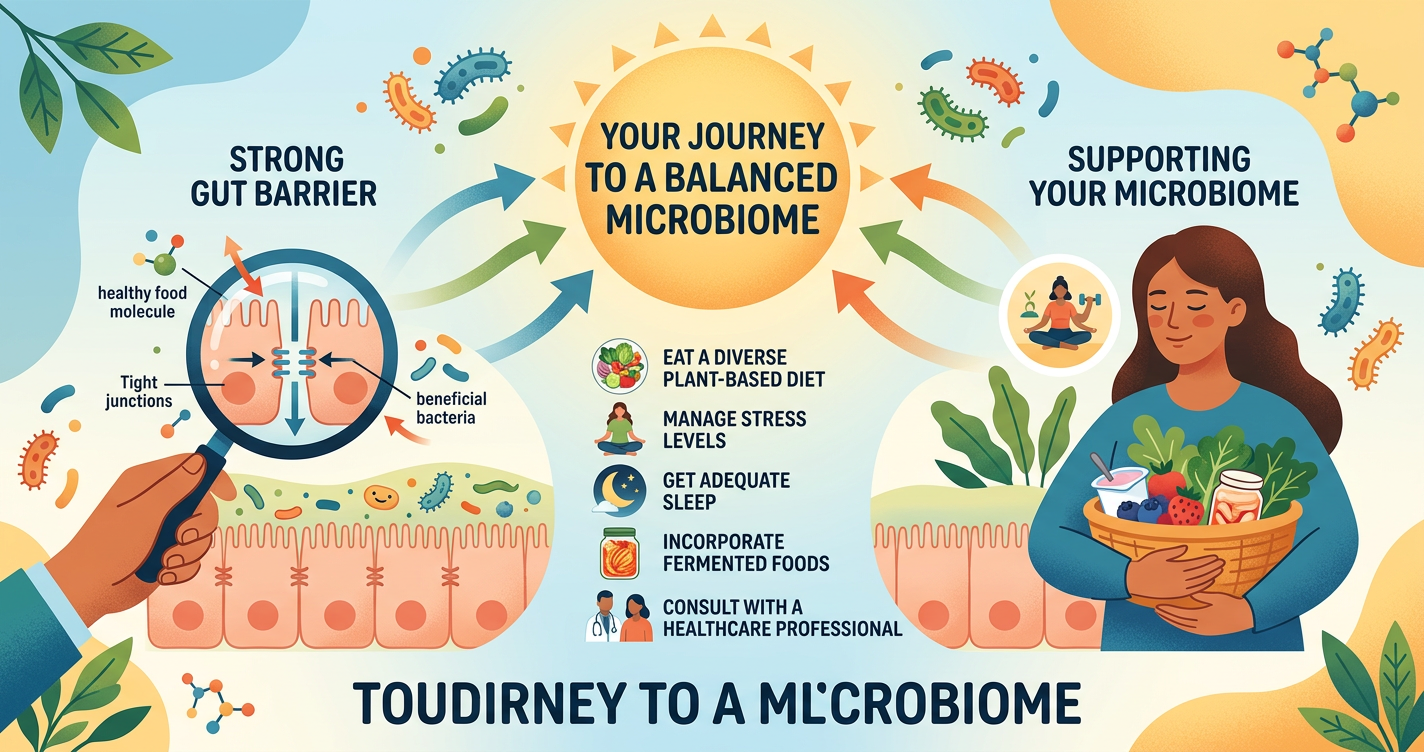
Understanding the Gut Barrier: The Body’s Living Fortress
The human digestive system is often compared to a simple plumbing pipe, but in reality, it is one of the most sophisticated immunological landscapes in the known universe. At the center of this landscape is the gut barrier—a semi-permeable membrane that stretches over 4,000 square feet. Its primary mission is twofold: to allow essential nutrients and water into the bloodstream while simultaneously acting as a high-security gatekeeper to keep out toxins, undigested food particles, and harmful pathogens. When this barrier is functioning optimally, your gut health remains robust, providing the foundation for energy, immunity, and even mental clarity.
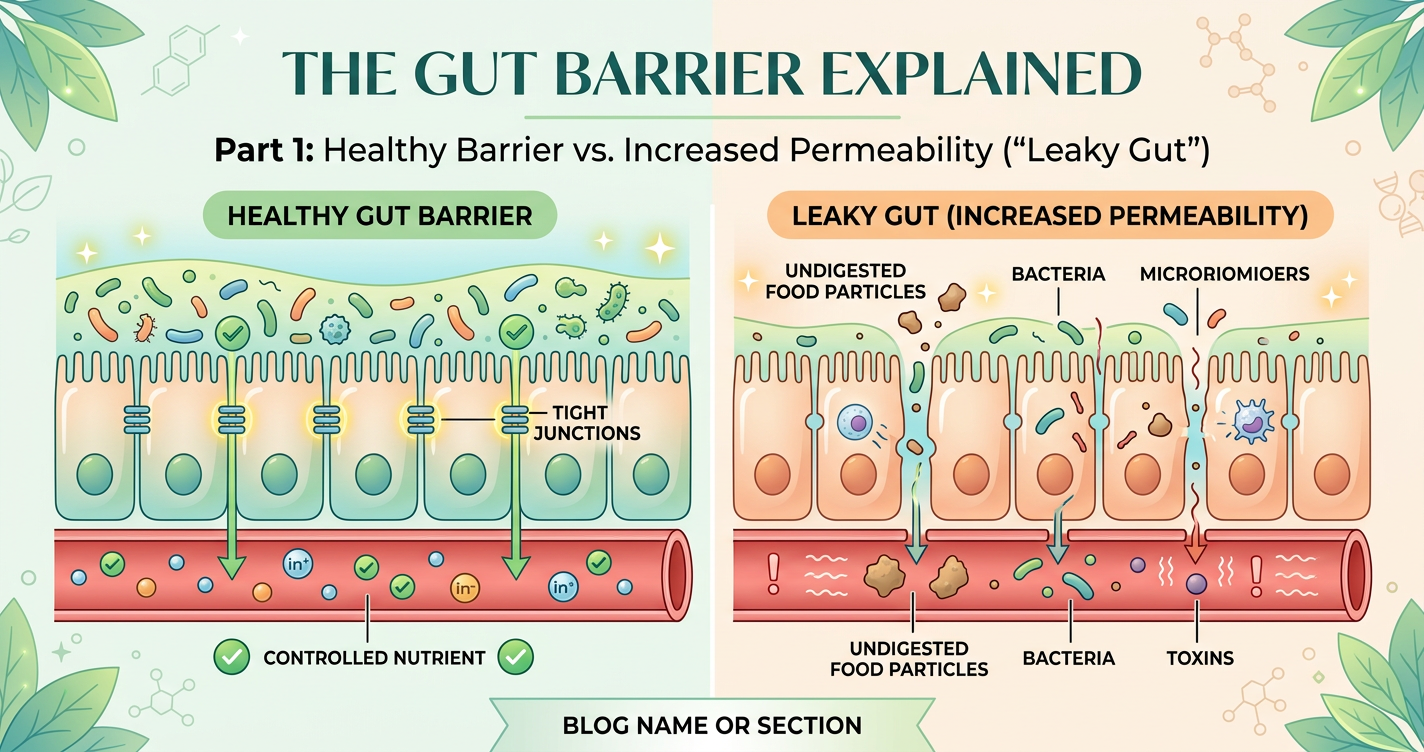
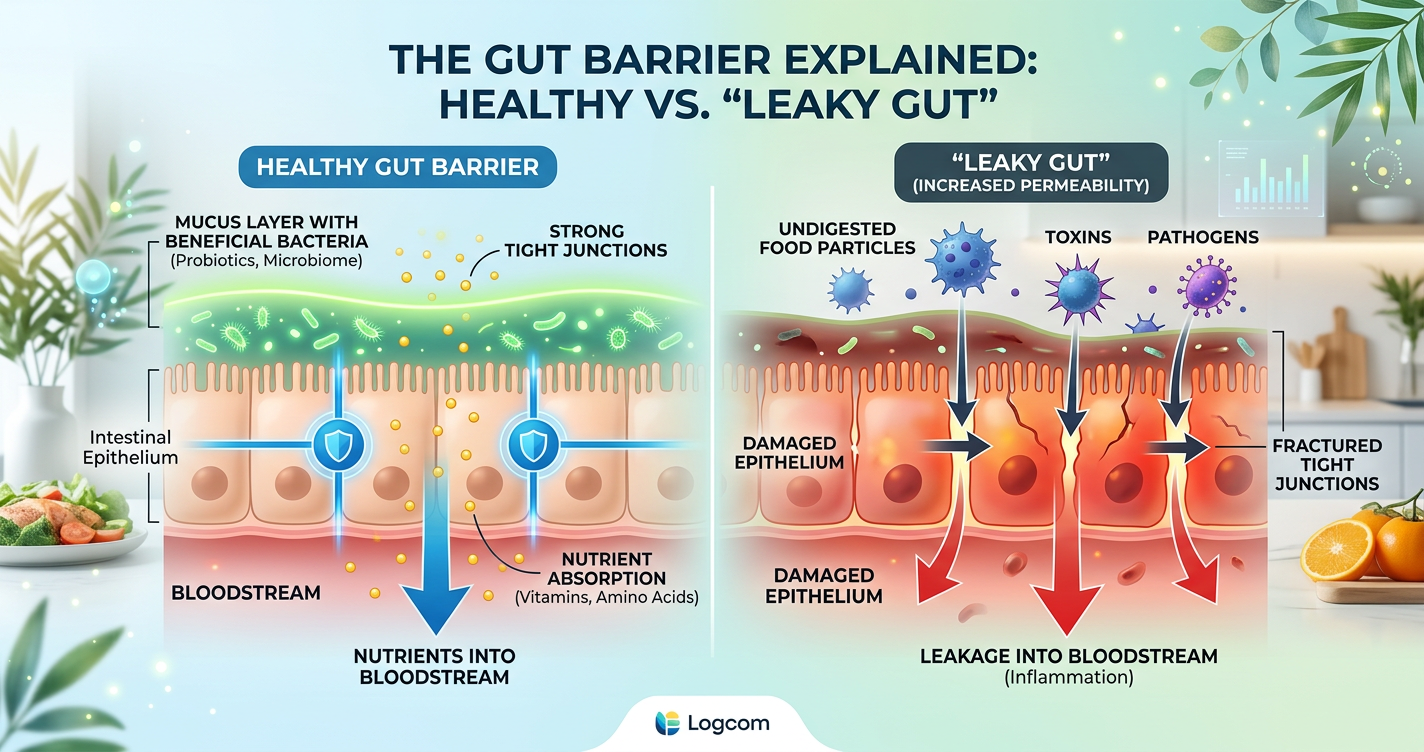
The barrier is composed of several layers, starting with a thick coating of mucus that houses the gut microbiome. Beneath that lies a single layer of epithelial cells. These cells are held together by protein structures called "tight junctions." Think of these junctions like the cement between bricks. In a healthy state, these bricks are packed tight. However, when these junctions become compromised, we enter the territory of what is clinically known as increased intestinal permeability, or more colloquially, "leaky gut."
The Role of the Gut Microbiome in Barrier Defense
You cannot discuss the gut barrier without highlighting the billions of microscopic residents living within it. The gut microbiome acts as the first line of defense. These beneficial bacteria produce short-chain fatty acids (SCFAs) like butyrate, which serve as the primary fuel source for the cells lining your gut. Without a diverse and thriving microbial ecosystem, the gut lining begins to weaken, losing its ability to repair itself from daily wear and tear. This is why maintaining microbial diversity is not just a trend; it is a physiological necessity for systemic health.
What "Leaky Gut" Really Means: From Myth to Medical Reality
For years, the term "leaky gut" was relegated to the fringes of alternative medicine. However, modern gastroenterology now recognizes that intestinal permeability is a measurable and significant factor in various chronic conditions. When the tight junctions mentioned earlier become loose, the "gate" stays open. This allows substances that should stay in the digestive tract—such as lipopolysaccharides (LPS), bacteria, and large food molecules—to escape into the systemic circulation.
Once these "invaders" enter the bloodstream, the immune system goes on high alert. It recognizes these particles as foreign threats and launches an inflammatory response. This is why leaky gut is rarely just a digestive issue. It often manifests as systemic inflammation, leading to symptoms such as:
Chronic fatigue and "brain fog"
Skin irritations like eczema or acne
Joint pain and unexplained aches
Food sensitivities that seem to appear out of nowhere
Autoimmune flare-ups
The Triggers of Increased Permeability
What causes the gut to become leaky in the first place? It is rarely one single event but rather a "perfect storm" of lifestyle and environmental factors. Modern living presents several challenges to the gut barrier:
Dietary Triggers: Diets high in processed sugars, emulsifiers, and alcohol can directly degrade the mucus layer and irritate the epithelial lining.
Chronic Stress: Stress hormones like cortisol can increase permeability by altering the blood flow to the digestive tract and shifting the balance of the gut microbiome.
Medication Overuse: Excessive use of NSAIDs (non-steroidal anti-inflammatory drugs) and certain antibiotics can thin the gut lining and disrupt microbial equilibrium.
Environmental Toxins: Exposure to pollutants and pesticides can interfere with the signaling proteins that keep tight junctions closed.
How to Support and Restore Your Microbiome and Barrier Integrity
The good news is that the gut lining is one of the fastest-regenerating tissues in the human body. With the right support, you can tighten those junctions and cultivate a gut microbiome that protects you. Healing a leaky gut requires a multi-pronged approach: removing the irritants, replacing missing digestive enzymes, reinoculating with beneficial bacteria, and repairing the lining with specific nutrients.
Nutritional Strategies for a Resilient Gut
To support the barrier, you must feed the bacteria that manage it. A diet rich in diverse plant fibers—prebiotics—is essential. Foods like chicory root, garlic, onions, and asparagus provide the fuel your microbes need to produce butyrate. Additionally, incorporating collagen-rich foods or bone broth can provide the amino acids, such as L-glutamine, which act as the "spackle" to help repair the physical gaps in the intestinal wall.
For those looking to streamline their gut health regimen, targeted supplementation can be a game-changer. High-quality formulations like gutbio max are designed to provide the comprehensive support necessary for microbial balance. By combining prebiotics, probiotics, and specific digestive support, gutbio max helps create an environment where beneficial bacteria can flourish, thereby reinforcing the gut-immune barrier and reducing the incidence of permeability issues.
Lifestyle Shifts for Long-Term Success
Beyond what you eat, how you live dictates the strength of your gut. Consider the following habits to maintain a sealed and healthy barrier:
Prioritize Sleep: The gut has its own circadian rhythm. Lack of sleep directly correlates with increased intestinal permeability and a decline in microbial diversity.
Mindful Eating: Digestion begins in the mouth. Chewing thoroughly and eating in a relaxed state allows for proper enzymatic breakdown, preventing large, irritating food particles from reaching the small intestine.
Hydration: Water is essential for the production of the mucosal layer that protects the epithelial cells from stomach acid and pathogens.
Strategic Supplementation: Integrating a consistent routine with gutbio max ensures that your microbiome isn't just surviving, but thriving, even during times of occasional stress or dietary indiscretion.
In conclusion, the gut barrier is the silent guardian of your health. By understanding the mechanisms of leaky gut and taking proactive steps to nourish your gut microbiome, you can transition from a state of chronic inflammation to one of vibrant, systemic wellness. Your gut works hard for you; it’s time to return the favor.