The Science of the Golden Spice: Why Turmeric is a Game Changer
If you have spent any time in a health food store or scrolling through wellness TikTok lately, you have undoubtedly seen the vibrant, orange-hued root known as turmeric. While it has been a staple in Ayurvedic medicine and Southeast Asian cooking for thousands of years, modern science is finally catching up to what ancient healers have known all along: turmeric is a powerhouse for supporting physical movement. But what exactly is it about this spice that makes it so special for our joints and muscles? To understand that, we have to look at its primary active compound, curcumin.
Curcumin is a bioactive substance that fights inflammation at the molecular level. Think of your body like a high-performance engine. Over time, friction and heat (inflammation) can cause the gears to grind, leading to stiffness and a lack of fluidity. Curcumin acts like a premium lubricant, helping to quell the internal fires that keep us from reaching for the top shelf or going for that morning jog. However, there is a small catch—curcumin is notoriously difficult for the body to absorb on its own. This is why you’ll often see turmeric paired with black pepper (piperine), which can increase absorption by up to 2,000%.
When we talk about mobility, we aren't just talking about professional athletes or marathon runners. We are talking about the "everyday athlete"—the person who wants to garden without back pain, the parent who wants to crawl on the floor with their kids, and the professional who wants to sit at a desk without their hips locking up. By integrating turmeric into your daily routine, you are providing your body with a steady supply of antioxidants that neutralize free radicals, which are the pesky molecules that contribute to oxidative stress and joint wear-and-tear over time.
How Turmeric Targets Joint Discomfort
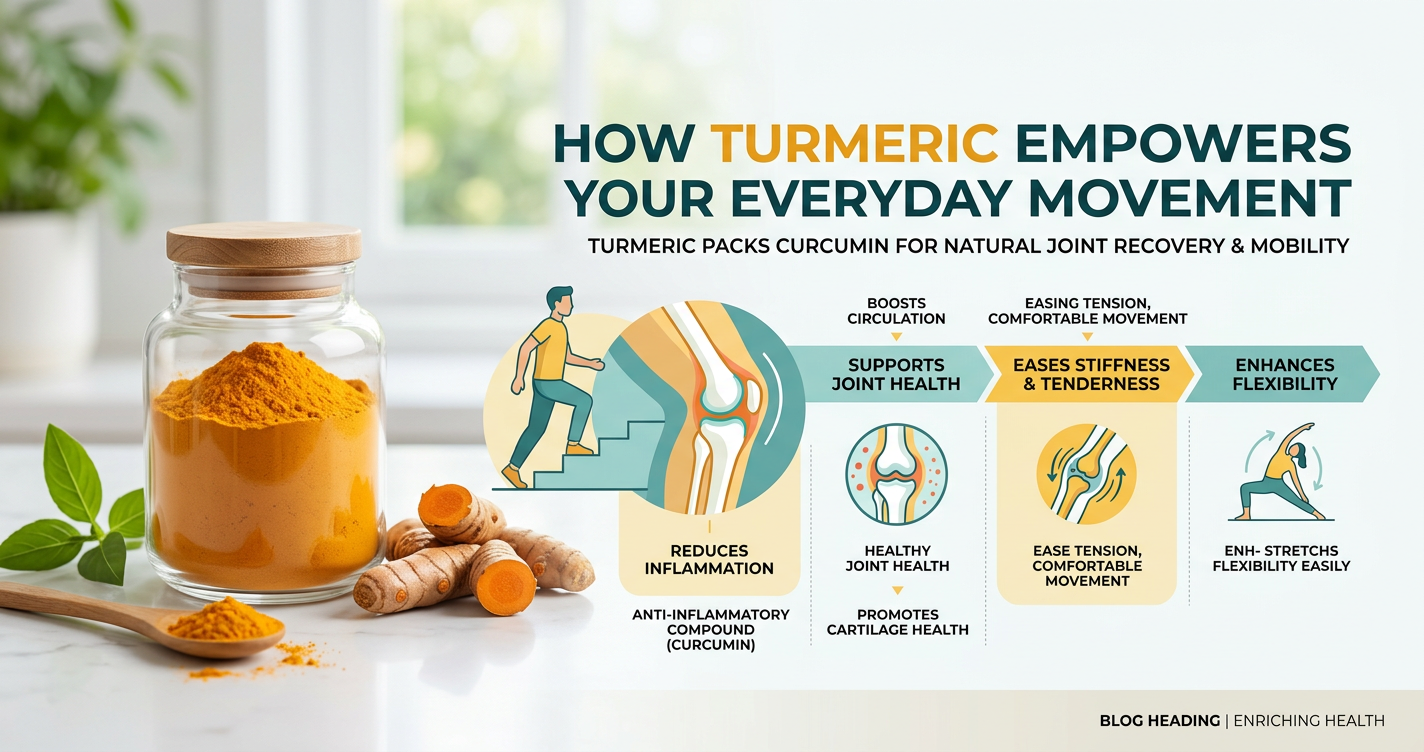
Reduced Swelling: By inhibiting inflammatory enzymes like COX-2, turmeric helps keep joint tissues from puffing up after activity.
Cartilage Protection: Some studies suggest that curcumin may help protect chondrocytes (the cells that maintain cartilage) from breaking down.
Improved Blood Flow: Better circulation means more nutrients reach your connective tissues, aiding in faster recovery and smoother movement.
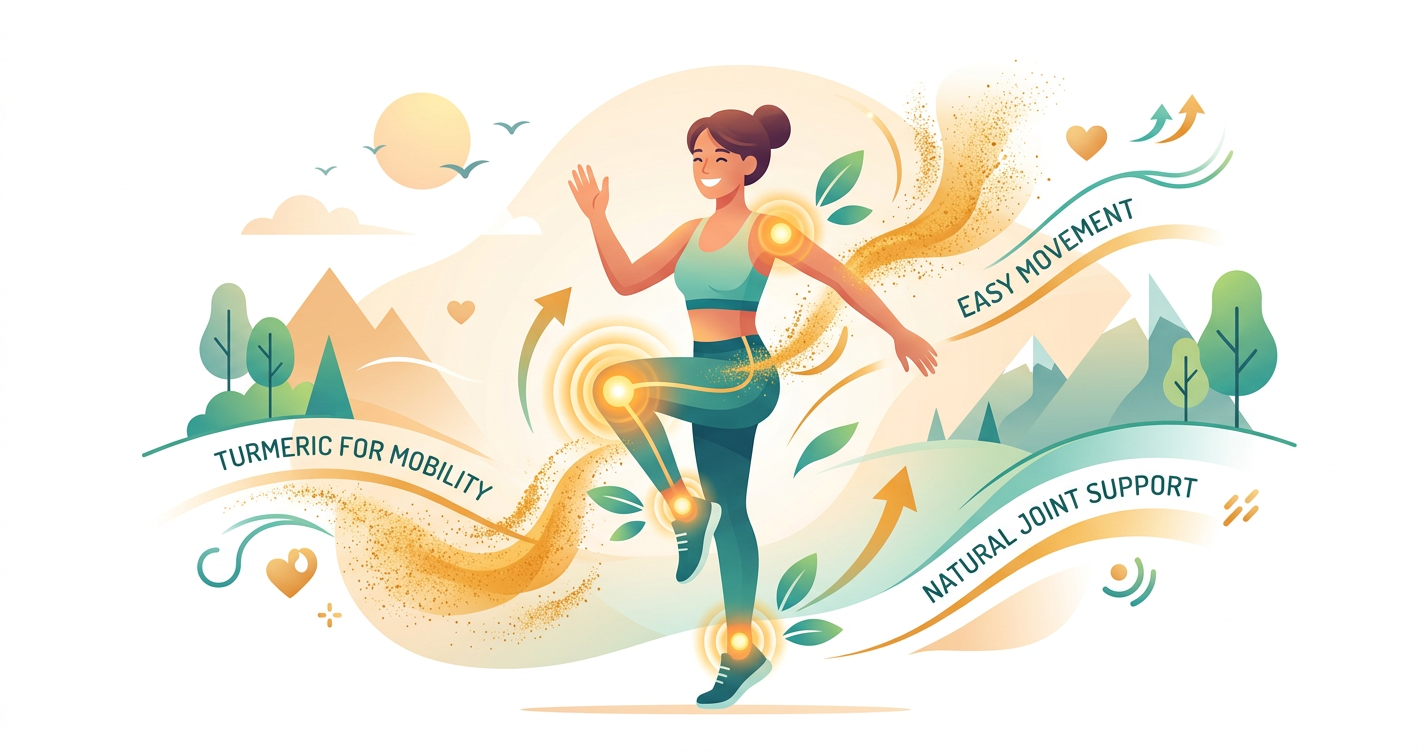
Everyday Movement: From Morning Stiffess to Evening Recovery
We’ve all experienced it: that "creaky" feeling when you first roll out of bed. Your ankles feel tight, your lower back is protesting, and you feel about twenty years older than you actually are. This morning stiffness is often a result of fluid settling in the joints overnight and mild systemic inflammation. This is where the cumulative effect of turmeric really shines. Unlike some quick-fix solutions, turmeric works best when it builds up in your system, creating a baseline of support that makes those first few steps of the day much easier to take.
As we move through our day, our bodies are constantly adapting to micro-stresses. Even simple acts like walking on concrete or carrying groceries put pressure on our knees and hips. Turmeric helps manage the "delayed onset" of discomfort. By supporting a healthy inflammatory response throughout the day, you’re less likely to hit that 4:00 PM wall where your body starts to feel heavy and sluggish. It’s about maintaining "micro-mobility"—the small, effortless movements that we often take for granted until they become difficult.
Furthermore, regular movement is a "use it or lose it" scenario. When movement hurts, we tend to move less. When we move less, our joints become stiffer, creating a frustrating cycle. Turmeric can help break this cycle by lowering the "barrier to entry" for physical activity. When you feel better, you move more; when you move more, your joints stay lubricated and your muscles stay strong. It’s a positive feedback loop that starts with supporting your body’s internal environment.
Simple Ways to Keep Moving Throughout the Day
Micro-stretches: Spend two minutes every hour stretching your hip flexors and calves.
Hydration: Turmeric works best in a well-hydrated body, as water is essential for spinal disc health.
Low-Impact Activity: Walking, swimming, or cycling are great ways to test your newfound mobility without overtaxing your system.
Practical Ways to Bring Turmeric Into Your Lifestyle
Now that we know why turmeric is so beneficial for mobility, how do we actually get enough of it to make a difference? Adding a pinch to your dinner once a week is a great start for flavor, but for true mobility support, you need to be a bit more intentional. The good news is that turmeric is incredibly versatile and can be incorporated into your lifestyle in several delicious and easy ways. You don't have to be a master chef to reap the rewards of this golden root.
One of the most popular methods is the "Golden Milk" latte. This ancient drink involves simmering plant-based or dairy milk with turmeric, black pepper, cinnamon, ginger, and a touch of honey. It’s the perfect ritual for winding down at night, as the warmth is soothing and the ingredients work together to support muscle recovery while you sleep. If you prefer something more refreshing, you can blend fresh turmeric root into your morning smoothie or add a ginger-turmeric shot to your post-workout routine.
For those with a busy schedule, high-quality supplements are often the most reliable way to ensure a consistent dose of curcumin. When looking for a supplement, check for "standardized curcuminoids" and the inclusion of black pepper extract or a lipid-based delivery system to ensure you’re actually absorbing the goodness. Whether you choose to cook with it, drink it, or take it as a supplement, the key is consistency. Mobility isn't built in a day; it’s maintained through small, daily choices that honor your body’s need for support and care.
Quick Kitchen Tips for Turmeric Lovers
Oil is Your Friend: Curcumin is fat-soluble, so always consume turmeric with a healthy fat like olive oil, avocado, or coconut milk.
Spice Up Your Grains: Add a teaspoon of turmeric to your rice or quinoa water for a beautiful color and an earthy flavor boost.
Roasted Veggies: Toss cauliflower, carrots, and chickpeas in turmeric and black pepper before roasting for a mobility-boosting side dish.
Smoothie Secret: A small piece of fresh turmeric root (about the size of your pinky nail) blends perfectly into tropical mango or pineapple smoothies.