The Foundation of an Anti-Inflammatory Kitchen: Science and Staples
Inflammation is a buzzword that has dominated the health and wellness industry for the last decade, but it is far from a mere trend. At its core, inflammation is a natural defense mechanism—the body’s way of protecting itself from infection and injury. However, when this process becomes chronic, it can lead to a host of health issues, ranging from joint pain and fatigue to more serious conditions like heart disease, diabetes, and autoimmune disorders. The good news is that your kitchen is the most powerful tool you have to combat chronic inflammation. By understanding the principles of an anti-inflammatory diet and stocking your pantry with the right building blocks, you can transform your health one meal at a time.
Understanding the Anti-Inflammatory Philosophy
The anti-inflammatory diet isn't a restrictive "fad diet." Instead, it is a sustainable way of eating based on Mediterranean and Okinawan principles. It emphasizes whole, unprocessed foods that are rich in phytonutrients, healthy fats, and fiber. The goal is to move away from the Standard American Diet (SAD), which is typically high in refined sugars, trans fats, and processed meats—all of which are known triggers for systemic inflammation.
When you eat an anti-inflammatory diet, you are providing your body with the tools it needs to repair cellular damage and regulate immune responses. This involves focusing on a variety of colors, textures, and flavors that come directly from the earth. Before we dive into the specific ingredients, it is essential to recognize that this lifestyle is about abundance, not deprivation. It is about adding more of the "good stuff" so that there is naturally less room for the inflammatory "bad stuff."
Pantry Essentials: The Dry Goods
A well-stocked anti-inflammatory kitchen begins with a resilient pantry. Having these items on hand ensures that you can whip up a nutritious meal even on your busiest days. Here are the core categories you should focus on:
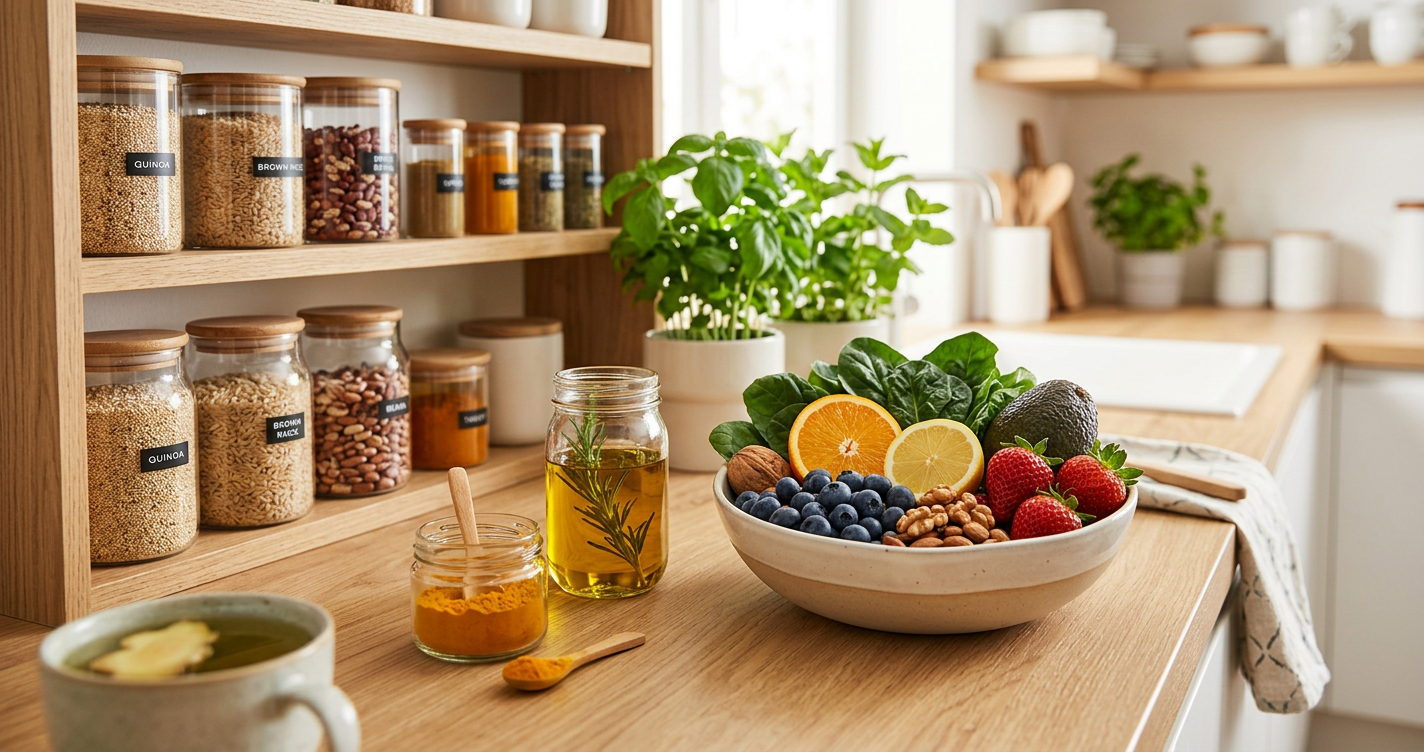
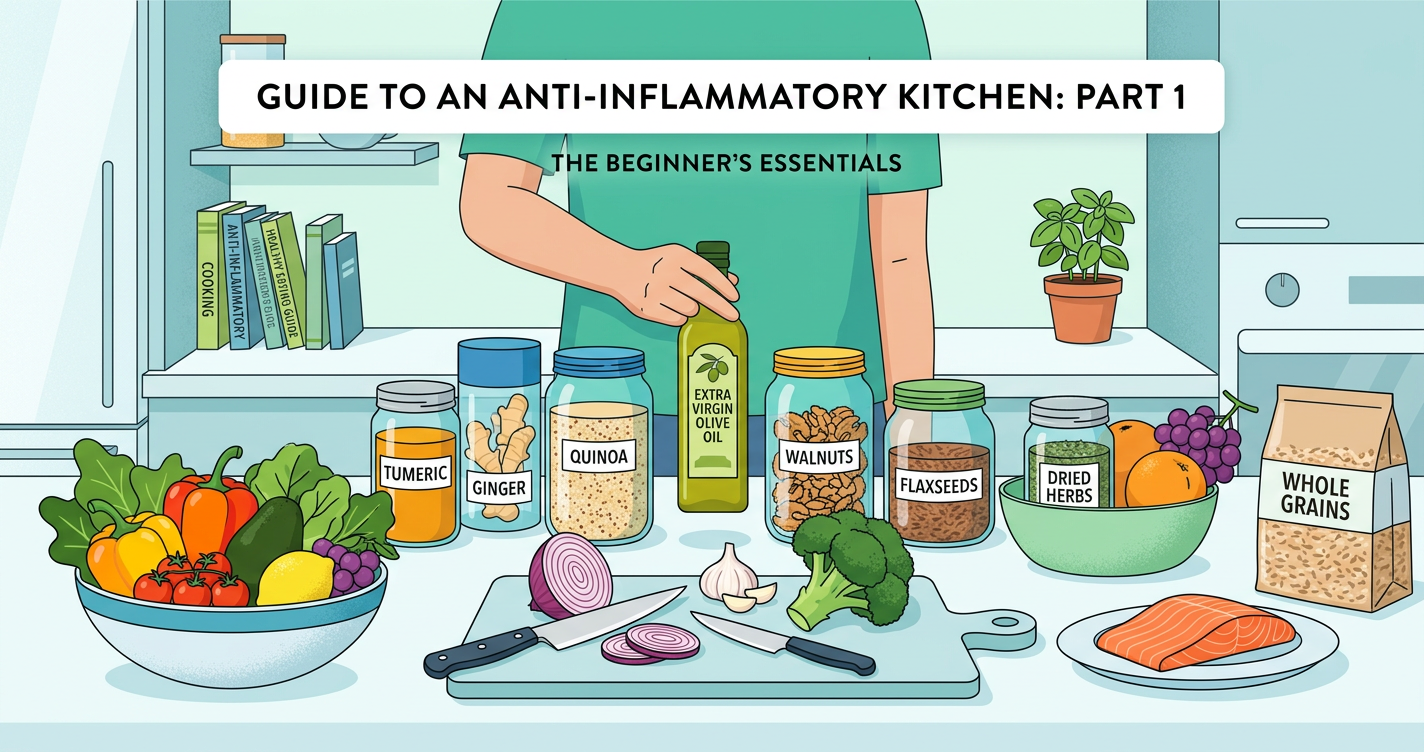
Whole Grains: Move away from white flour and white rice. Instead, opt for grains that retain their bran and germ, such as quinoa, farro, brown rice, buckwheat, and steel-cut oats. These grains are high in fiber, which helps regulate blood sugar and supports a healthy gut microbiome—both critical for reducing inflammation.
Legumes and Pulses: Beans, lentils, and chickpeas are protein powerhouses that come loaded with fiber and minerals. Whether you buy them dried or canned (low-sodium), they are versatile foundations for soups, salads, and stews.
Nuts and Seeds: Walnuts, chia seeds, flaxseeds, and hemp hearts are exceptional sources of Omega-3 fatty acids. These healthy fats are the primary antagonists of inflammation. Keep them in your pantry for snacking or as toppings for yogurt and oatmeal.
Healthy Oils: Not all fats are created equal. Extra virgin olive oil (EVOO) is the gold standard of anti-inflammatory fats due to its high concentration of oleocanthal, a compound that mimics the effect of ibuprofen. Avocado oil is another great choice for higher-heat cooking.
The Power of Herbs and Spices
Spices are the "superchargers" of an anti-inflammatory kitchen. They allow you to add immense flavor without the need for excessive salt or sugar. Turmeric is perhaps the most famous, containing curcumin, a potent anti-inflammatory compound. To maximize its absorption, always pair turmeric with black pepper. Other essential spices include ginger, which aids digestion and reduces muscle soreness, and cinnamon, which helps stabilize blood sugar levels. Fresh herbs like parsley, cilantro, and rosemary are also packed with antioxidants and should be used generously.
The Fresh Revolution: Stocking Your Fridge and Freezer
While the pantry provides the structure, the refrigerator and freezer provide the life force of your anti-inflammatory kitchen. This is where you will store the perishable items that are highest in vitamins, minerals, and live enzymes. When shopping for the "fresh" side of your kitchen, think of the rainbow. Different colors in produce represent different types of antioxidants, and your goal should be to consume as many different colors as possible throughout the week.
Produce: The Star of the Show
Vegetables and fruits should make up the largest portion of your plate. In an anti-inflammatory kitchen, certain types of produce take center stage due to their specific chemical compositions:
Cruciferous Vegetables: Broccoli, cauliflower, Brussels sprouts, and kale contain sulforaphane, which has been shown to block enzymes that cause joint destruction and inflammation.
Berries: Blueberries, strawberries, raspberries, and blackberries are rich in anthocyanins. These antioxidants not only give berries their vibrant color but also work to keep your immune system functioning optimally.
Leafy Greens: Spinach, Swiss chard, and collard greens are high in Vitamin E, which protects the body from pro-inflammatory molecules called cytokines.
Allium Vegetables: Garlic, onions, and leeks contain organosulfur compounds that have been linked to lowered inflammation and improved heart health.
Proteins and Fermented Foods
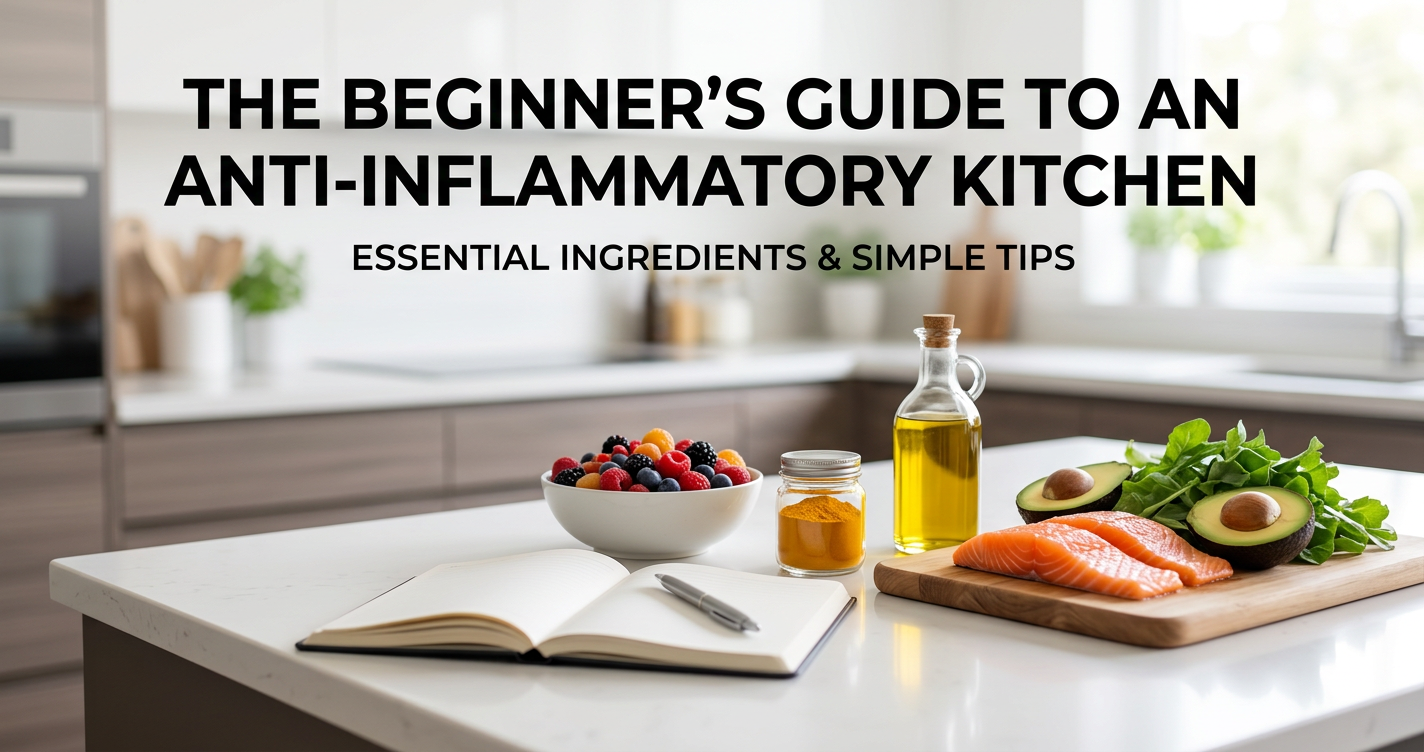
Protein is essential for muscle repair and hormone production, but the source matters. In an anti-inflammatory kitchen, focus on "cold-water" fatty fish like salmon, mackerel, and sardines, which are the best dietary sources of EPA and DHA (Omega-3s). If you eat meat, look for grass-fed and pasture-raised options, as these have a more favorable fatty acid profile compared to grain-fed meats.
Don't forget the importance of your gut! Since 70-80% of the immune system resides in the gut, maintaining a healthy microbiome is vital. Stock your fridge with fermented foods like Greek yogurt (without added sugar), kefir, sauerkraut, kimchi, and miso. These foods introduce beneficial probiotics that help keep the gut lining intact, preventing the "leaky gut" syndrome that often triggers systemic inflammation.
Utilizing the Freezer
The freezer is often underutilized in healthy eating. It is a fantastic tool for preserving the nutritional value of produce. Frozen fruits and vegetables are often picked at peak ripeness and flash-frozen, locking in their nutrients. Having frozen berries for smoothies or frozen spinach for stews ensures you always have anti-inflammatory options, even when you haven't been to the grocery store in a week. Additionally, the freezer is great for storing homemade bone broth, which is rich in collagen and amino acids that support gut and joint health.
Mastering the Transition: Cooking Methods and Lifestyle Habits
Stocking the kitchen is only half the battle; how you prepare your food and the habits you build around your meals will determine the ultimate success of your anti-inflammatory journey. The way we cook can either preserve the anti-inflammatory properties of our food or create new inflammatory compounds. Transitioning to this lifestyle requires a shift in mindset—from "cooking for convenience" to "cooking for vitality."
Cooking Techniques That Heal
To keep inflammation at bay, it is important to minimize "Advanced Glycation End products" (AGEs). These are harmful compounds that form when food is cooked at very high temperatures with dry heat (like grilling, frying, or searing). To reduce AGEs, focus on these cooking methods:
Steaming and Poaching: These "moist-heat" methods are gentle on the nutrients and prevent the formation of toxic compounds.
Sautéing with Broth or Water: Instead of deep-frying, use a small amount of extra virgin olive oil or vegetable broth to lightly sauté your vegetables.
Slow Cooking and Pressure Cooking: Using an Instant Pot or a slow cooker is an excellent way to break down tough fibers in legumes and meats while retaining all the vitamins in the liquid.
Raw Preparation: Some vegetables, like peppers and cucumbers, are best eaten raw to preserve their Vitamin C content, which is heat-sensitive.
What to Crowd Out
An anti-inflammatory kitchen isn't just about what you add; it's also about what you slowly remove. You don't have to overhaul your entire pantry in one day, but start being mindful of these common inflammatory triggers:
Refined sugars and high-fructose corn syrup are perhaps the biggest culprits, as they cause spikes in insulin that trigger inflammatory responses. Processed vegetable oils (like soybean, corn, and cottonseed oil) are high in Omega-6 fatty acids, which can be inflammatory when not balanced with enough Omega-3s. Finally, highly processed snacks containing artificial dyes and preservatives should be replaced with whole-food alternatives.
Building Sustainable Habits
The most effective anti-inflammatory kitchen is one that you actually use. Meal prepping is a vital habit to adopt. Take two hours on a Sunday to wash and chop your vegetables, cook a large batch of quinoa, and roast a tray of sweet potatoes. When healthy food is "ready to go," you are much less likely to reach for inflammatory convenience foods.
Furthermore, consider the environment in which you eat. Stress is a major contributor to inflammation. Practice mindful eating by sitting down at a table, away from screens, and thoroughly chewing your food. This aids digestion and allows your body to enter a "rest and digest" state, which is inherently anti-inflammatory. By combining the right ingredients with conscious cooking and mindful habits, you aren't just changing your diet—you are building a foundation for lifelong wellness.
In conclusion, the journey to an anti-inflammatory kitchen is one of discovery. It’s about finding joy in the vibrant colors of fresh produce, the aroma of warming spices, and the feeling of sustained energy that comes from nourishing your body. Start small, be consistent, and watch as your kitchen becomes a sanctuary of health.