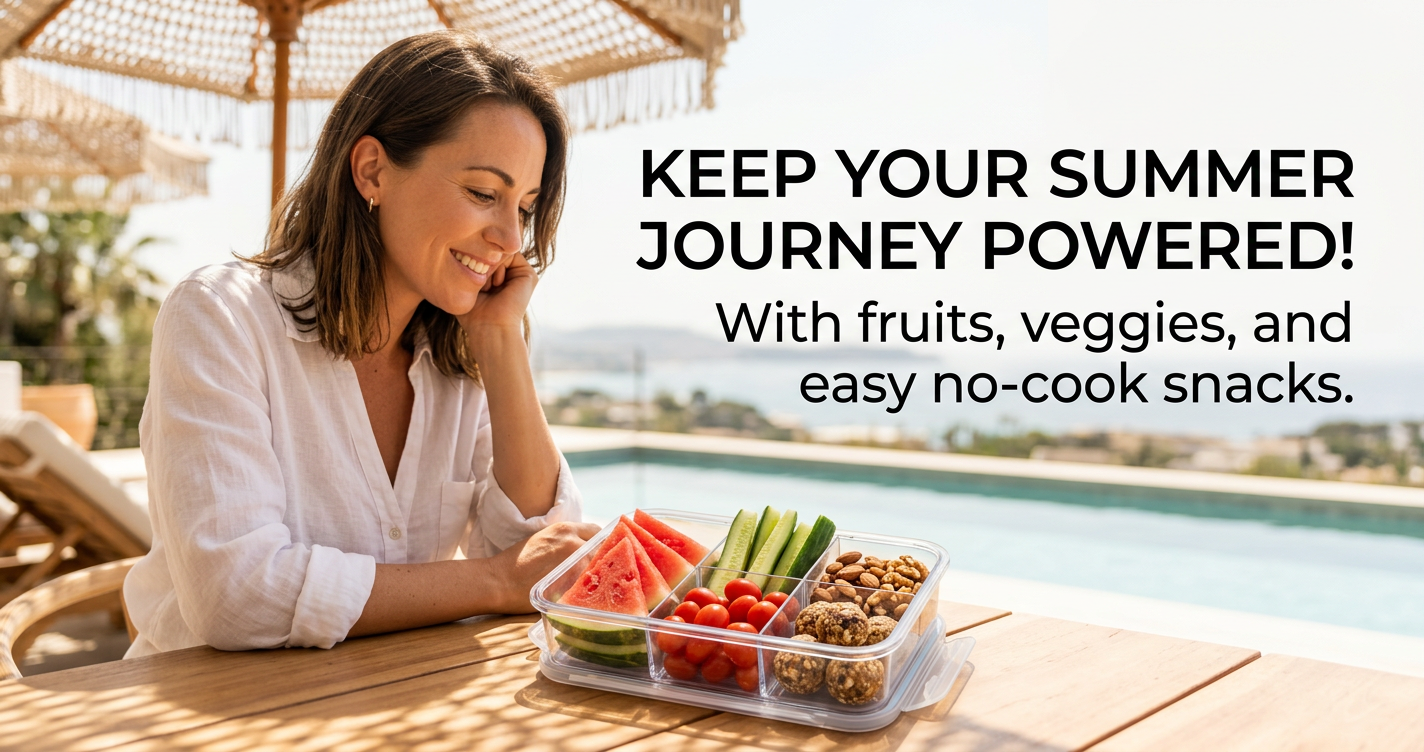
The Science of the 2 PM Slump and Why Travel Makes It Harder
We have all been there. You are halfway through a glorious summer road trip or waiting for a connecting flight when suddenly, the wall hits. Your eyes get heavy, your focus blurs, and cravings for sugary sodas or salty chips become unbearable. This is the notorious 2 PM slump, a natural dip in our circadian rhythm often exacerbated by poor travel nutrition. During the summer, high temperatures and the stress of transit can lead to dehydration and blood sugar fluctuations, making that afternoon energy crash feel like a physical weight.
When we travel, we often fall out of our regular diet routines. We rely on convenience stores and airport fast food, which are typically high in refined carbohydrates and low in essential fiber. This creates a "spike and crash" cycle. You eat a processed snack, your blood glucose soars, insulin spikes to manage it, and shortly after, your energy levels plummet. To beat the slump, we must look to pure nature for solutions. By prioritizing whole foods like fruits and veggies, we provide our bodies with slow-releasing energy that keeps us alert from sunrise to sunset.
Furthermore, summer travel demands extra attention to hydration. Many people mistake thirst for hunger, reaching for a candy bar when their body is actually crying out for water. The 2 PM slump is frequently a symptom of mild dehydration. Integrating water-rich snacks into your travel kit isn't just about nutrition; it's about maintaining the fluid balance necessary for cognitive function and thermal regulation in the summer heat.
The Importance of Fiber and Stable Blood Sugar
Fiber is your best friend when navigating long travel days. It slows the absorption of sugar into your bloodstream, providing a steady stream of fuel rather than a volatile burst. When selecting items for your nutrition kit, aim for a balance of complex carbohydrates, healthy fats, and protein. This "triple threat" ensures that your metabolism stays active without overworking your digestive system while you are sedentary in a car or plane.
Building Your Ultimate Travel Kit: Fruits and Veggies That Travel Well
The core of any successful summer nutrition strategy is portability. You need produce that won't bruise easily in a backpack and doesn't require complex preparation. When we focus on pure nature, we tap into a wealth of vitamins and polyphenols—micronutrients found in plants that act as antioxidants, reducing the oxidative stress that often comes with travel fatigue and sun exposure.
Resilient Fruits for the Road
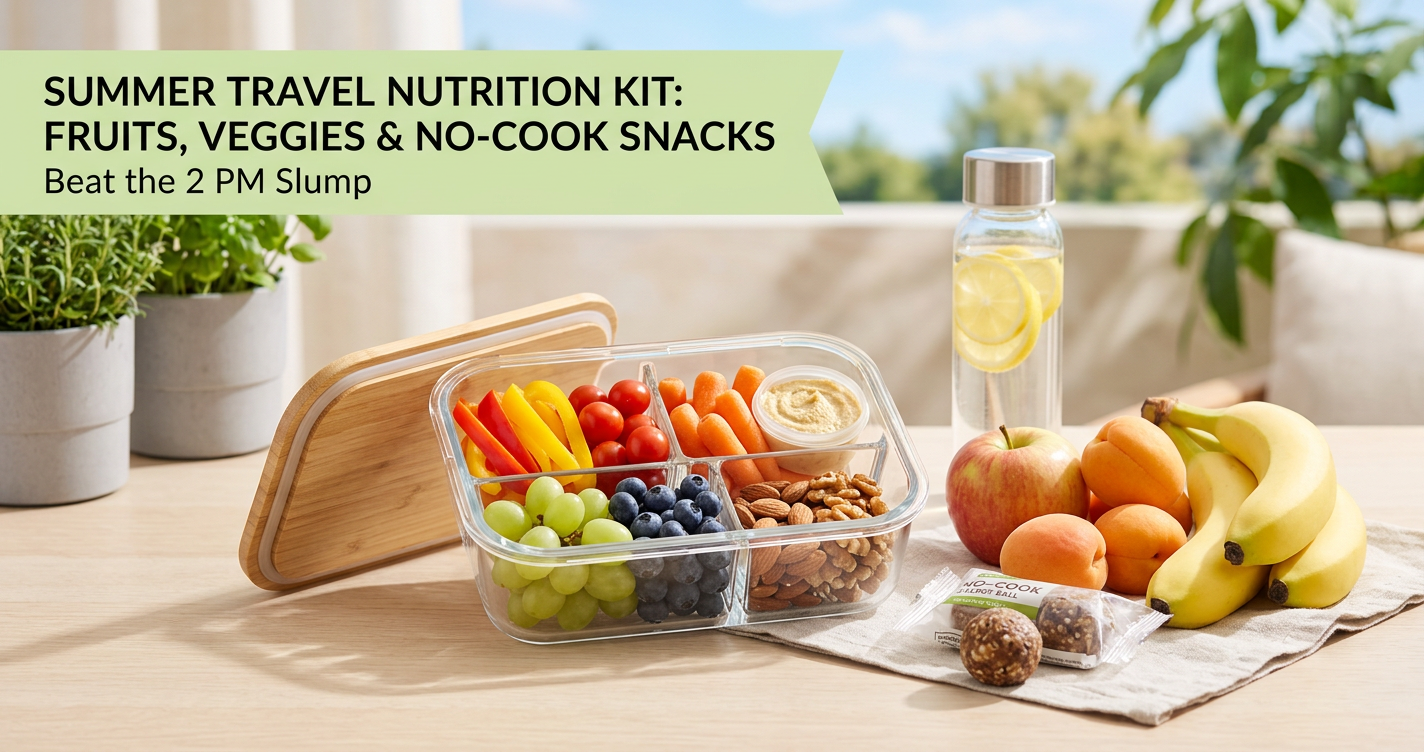
Apples and Pears: These are the gold standard for travel. They are high in fiber and sturdy enough to survive at the bottom of a carry-on. The skin is rich in polyphenols, which support heart health and mental clarity.
Berries in Containers: Blueberries and blackberries are packed with antioxidants. Keeping them in a hard-sided reusable container prevents them from squashing and provides a quick, pop-able snack that satisfies a sweet tooth without the sugar crash.
Grapes: For an extra refreshing summer treat, freeze your grapes before you head out. They act as mini ice packs in your lunch bag and provide a hydrating, crunchy snack once they start to thaw.
Hydrating Veggies for Long Hauls
Veggies are often the first thing neglected during summer vacations, yet they are essential for keeping your digestion regular while on the move. Focus on high-water content vegetables to aid your hydration goals.
Sugar Snap Peas: These offer a satisfying crunch and a hint of sweetness. They are high in Vitamin C and fiber, making them an excellent alternative to crackers.
Bell Pepper Strips: Vibrant peppers are loaded with water and Vitamin A. Slicing them into strips makes them easy to dip into hummus or nut butter.
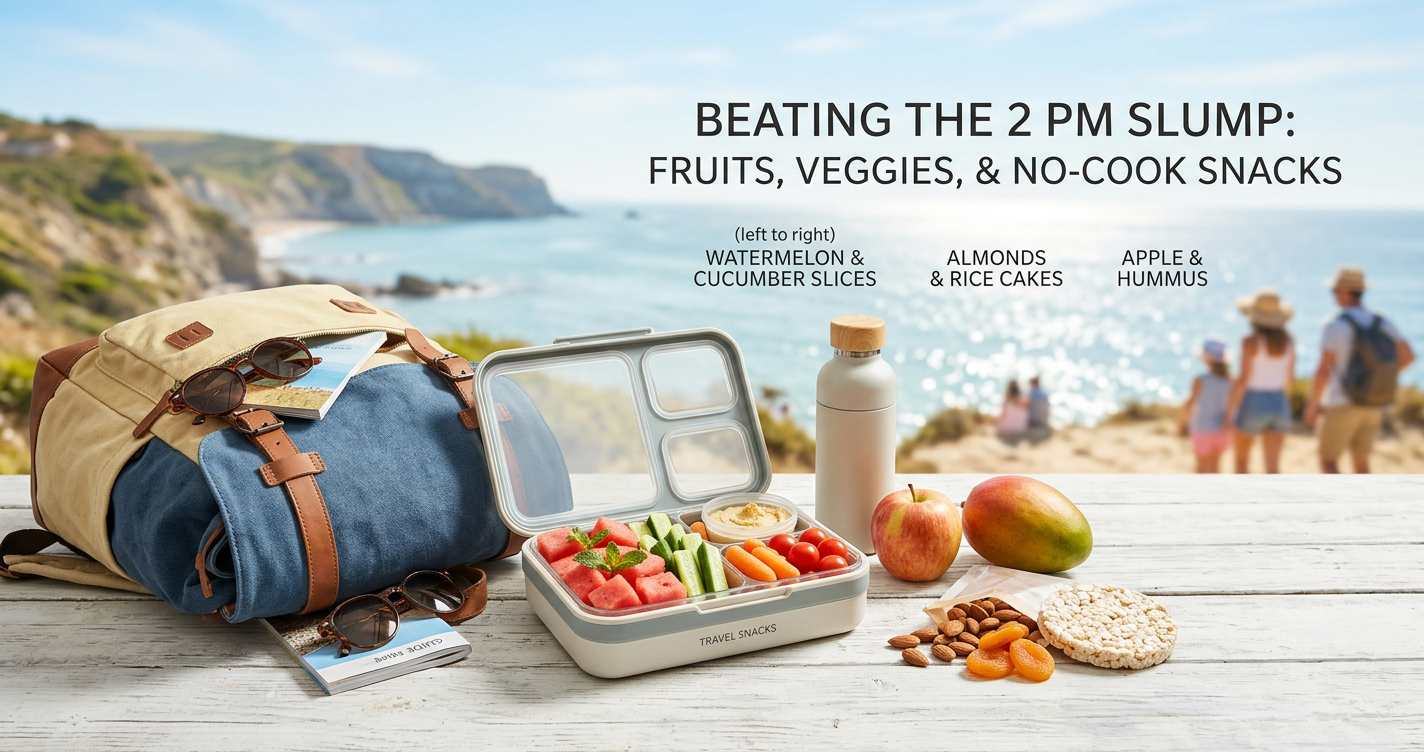
Cucumber Rounds: Cucumbers are roughly 95% water. Eating them is essentially "eating your water," which is a strategic way to combat the 14:00 fatigue.
The Power of Polyphenols
Why do we emphasize colorful fruits and veggies? It comes down to polyphenols. These compounds help improve blood flow to the brain and reduce inflammation. When you are sitting in a cramped plane seat or driving for six hours, your circulation can become sluggish. Feeding your body polyphenol-rich snacks helps keep your vascular system responsive and your brain sharp.
No-Cook Snacks and Assembly Tips for the Perfectionist Traveler
Preparation is the "secret sauce" of a healthy travel diet. You don't need a stove or a microwave to eat like a nutritionist on the go. By combining your fruits and veggies with shelf-stable proteins and fats, you create a complete nutritional profile that guards against the 2 PM slump.
Strategic Snack Pairings
To maximize the benefits of your produce, pair them with "anchor foods." For example, an apple (fiber/carbs) paired with a handful of raw almonds (fat/protein) creates a balanced snack that can sustain you for hours. Similarly, dipping celery sticks into individual packets of almond or peanut butter provides a hit of electrolytes and healthy fats that are vital for brain health during summer heatwaves.
Homemade "Pure Nature" Trail Mix
Skip the store-bought versions that are often loaded with chocolate chips and salt. Create your own blend using:
Raw walnuts and pecans (high in Omega-3s)
Dried apricots or unsweetened cranberries (for a chewy texture/fiber)
Pumpkin seeds (for magnesium, which helps combat travel stress)
A dash of cinnamon to help regulate blood sugar
Maintaining Freshness in the Summer Heat
Keep your nutrition kit effective by investing in a small, insulated soft-sided cooler. Use a frozen reusable water bottle as your "ice pack." As the day progresses and the ice melts, you are left with a perfectly chilled bottle of water to drink, ensuring you meet your hydration targets. This dual-purpose strategy saves space and ensures your veggies stay crisp and your fruits stay refreshing.
The 2 PM Protocol
When two o'clock rolls around, don't wait for the hunger to strike. Proactively reach for your nutrition kit. Take five minutes to step away from the steering wheel or look away from your screen, hydrate deeply, and consume your fiber-rich snacks. By fueling your body with the logic of pure nature, you ensure that your summer memories are defined by the sights you saw and the fun you had, rather than the naps you had to take to recover from a poor diet.