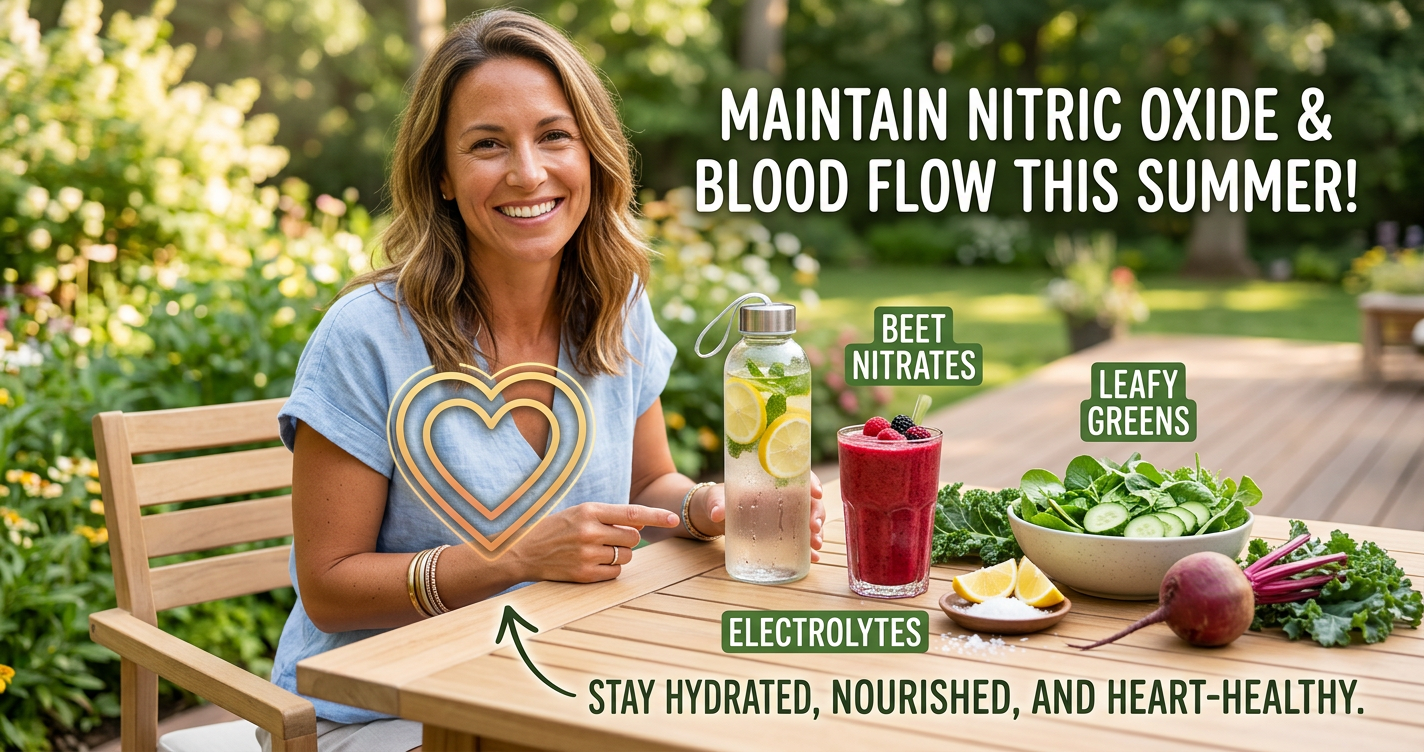
Understanding Heat Stress and Your Cardiovascular System
As the mercury rises during the summer months, our bodies undergo significant physiological changes to maintain a stable internal temperature. For both men and women, summer health is inextricably linked to cardiovascular efficiency. When you are exposed to high temperatures, your heart has to work significantly harder. To cool you down, your body redirects blood flow toward the surface of your skin, where heat can dissipate through sweat. This process, known as vasodilation, requires a robust and responsive vascular system.
Heat stress occurs when the body's cooling mechanisms are overwhelmed. During extreme heat, the heart rate increases, and the heart must pump more blood per minute to maintain blood pressure while simultaneously fueling the cooling process. For individuals with underlying cardiovascular concerns, or even for healthy athletes, this extra strain can be taxing. If the blood vessels cannot dilate effectively, or if the blood volume drops due to dehydration, the heart must pump even faster and harder, leading to potential exhaustion or heat-related illnesses.
The Role of Nitric Oxide in Heat Regulation
A critical player in this summer health equation is a tiny signaling molecule called nitric oxide (NO). Nitric oxide is produced by the endothelium—the thin lining of your blood vessels. Its primary job is to tell the smooth muscles of the blood vessels to relax, which allows the vessels to widen. This widening is essential for optimal blood flow and is the body’s primary defense against rising internal temperatures.
However, heat stress can actually deplete nitric oxide levels or impair its production. When NO levels are low, blood vessels stay constricted, blood pressure can become volatile, and the body struggles to move heat from the core to the skin. This is why supporting your body’s natural nitric oxide production is perhaps the most underrated strategy for staying safe and energetic during the warmer months.
The Essential Loop: Hydration and Electrolytes
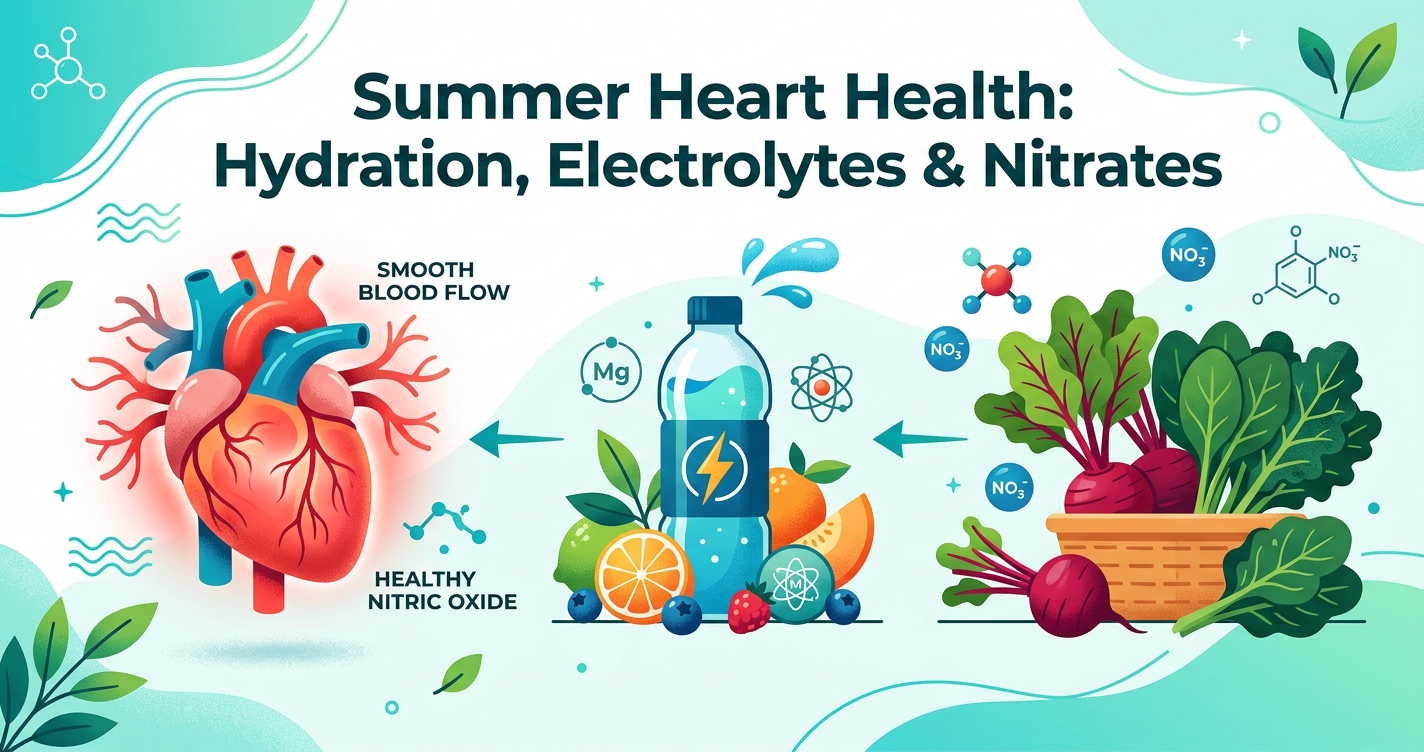
We often hear that we need to "drink more water" in the summer, but hydration is more complex than simply gulping down H2O. True hydration is the balance of water and electrolytes within your cells and bloodstream. For the cardiovascular system to function, it needs a specific volume of fluid to keep blood moving smoothly. When you dehydrate, your blood volume decreases, making the blood more "viscous" or thick. Thicker blood is harder to pump, increasing the workload on your heart and potentially raising blood pressure.
Electrolytes—specifically sodium, potassium, magnesium, and calcium—are the electrical conductors that tell your heart when to beat and your muscles when to contract. When you sweat, you don't just lose water; you lose these vital minerals. A deficiency in electrolytes can lead to heart palpitations, muscle cramps, and a dangerous drop in physical performance.
Strategies for Advanced Summer Hydration
Don't wait for thirst: By the time you feel thirsty, you are likely already 1-2% dehydrated. Men and women should aim for consistent fluid intake throughout the day.
The Salt Factor: While high sodium is often discouraged, active individuals losing significant sweat may need to replenish sodium to help the body retain water.
Potassium and Magnesium: These two minerals are vital for maintaining healthy blood pressure levels. Potassium helps ease tension in your blood vessel walls, while magnesium supports over 300 enzymatic reactions, including those that regulate heart rhythm.
Hydrating Foods: Incorporate water-rich fruits and vegetables like cucumbers, watermelon, and celery, which provide "structured water" along with natural electrolytes.
By maintaining proper fluid and mineral balance, you provide the "logistical support" your cardiovascular system needs to transport nutrients and manage heat. Without adequate hydration, even the best diet won't be enough to keep your blood flow optimized during a heatwave.
Boosting Blood Flow with Plant Nitrates: Beets and Leafy Greens
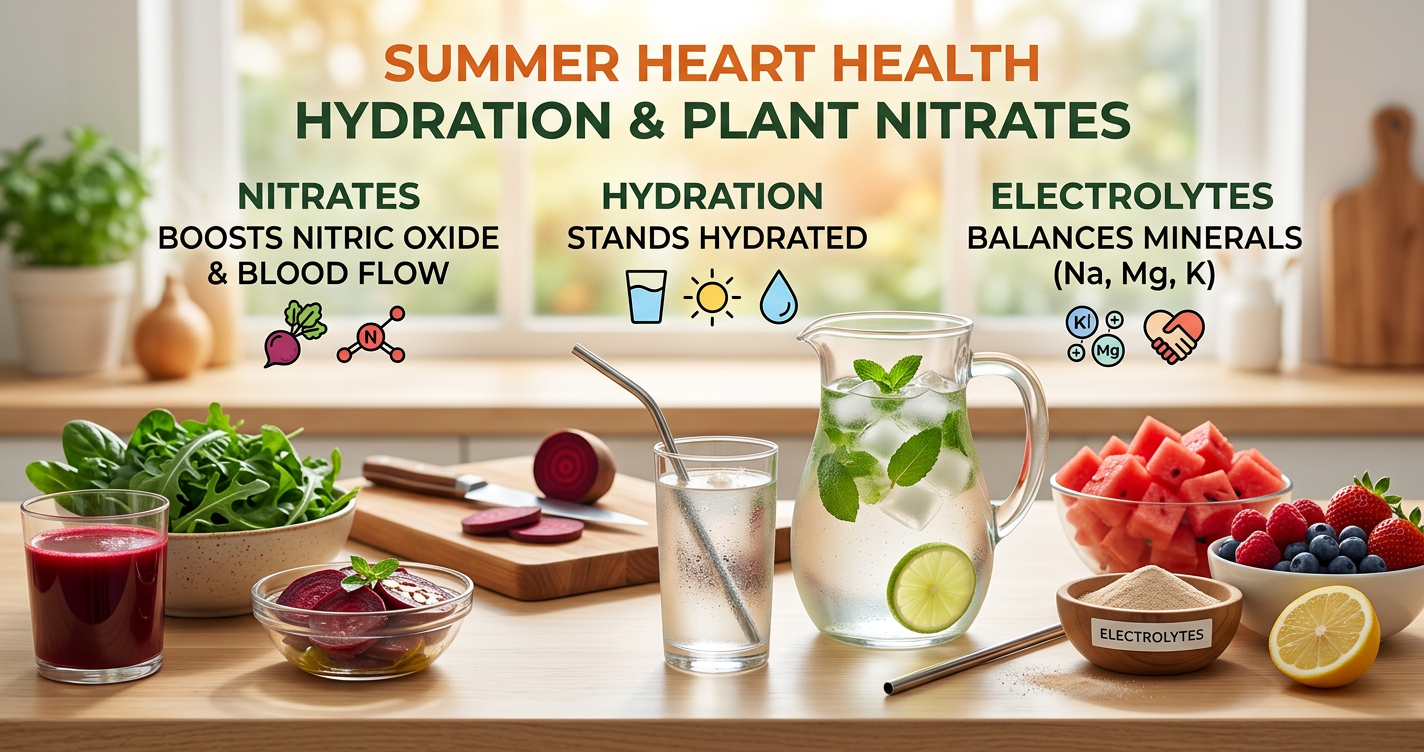
While hydration provides the volume, nutrition provides the "fuel" for vasodilation. One of the most effective ways to support nitric oxide levels is through the consumption of dietary nitrates. Unlike the synthetic nitrates found in processed meats, plant-based nitrates are highly beneficial for the heart. When you eat nitrate-rich vegetables, your mouth bacteria and internal enzymes convert those nitrates into nitric oxide.
Beets are the undisputed champions of the nitrate world. Multiple studies have shown that consuming beets—whether roasted, juiced, or in powder form—can significantly improve blood flow and exercise tolerance. This is particularly important in the summer when the heart is already under pressure. By improving the efficiency of your blood vessels, beets help lower the oxygen cost of physical activity, making a summer hike or a walk in the park feel much easier on your cardiovascular system.
The Power of Greens and Colorful Veggies
While beets get most of the spotlight, they aren't the only source of vessel-expanding nitrates. Leafy greens are powerhouse additions to a summer diet. Including these in your meals helps maintain a steady supply of the precursors needed for nitric oxide synthesis.
Arugula and Spinach: These greens are among the highest in nitrate content. A summer salad featuring arugula can provide a significant boost to your vascular health.
Swiss Chard and Kale: These provide not only nitrates but also high levels of potassium and magnesium, hitting the "electrolyte" and "blood flow" targets simultaneously.
Bok Choy and Celery: Excellent for crunch and hydration, these also contribute to the nitrate pool.
Supporting Men’s and Women’s Health Specifically
The benefits of dietary nitrates extend to everyone, but they manifest in specific ways. For men, improved nitric oxide levels are essential for overall vascular health and cardiovascular longevity. For women, especially those navigating hormonal changes during menopause, nitric oxide production naturally declines, which can lead to increased blood pressure and "hot flashes" that are exacerbated by summer heat. For both groups, incorporating beets and greens into the daily routine acts as a natural "booster" for the circulatory system, helping to regulate body temperature and support heart health regardless of the thermometer reading.
In conclusion, staying healthy this summer requires a three-pronged approach. First, respect the heat stress on your cardiovascular system. Second, master your hydration by balancing water with essential electrolytes. Third, "feed" your blood flow by loading up on nitrate-rich vegetables like beets and greens. By following these steps, you can ensure your heart stays strong, your blood pressure remains stable, and your body stays cool all season long.