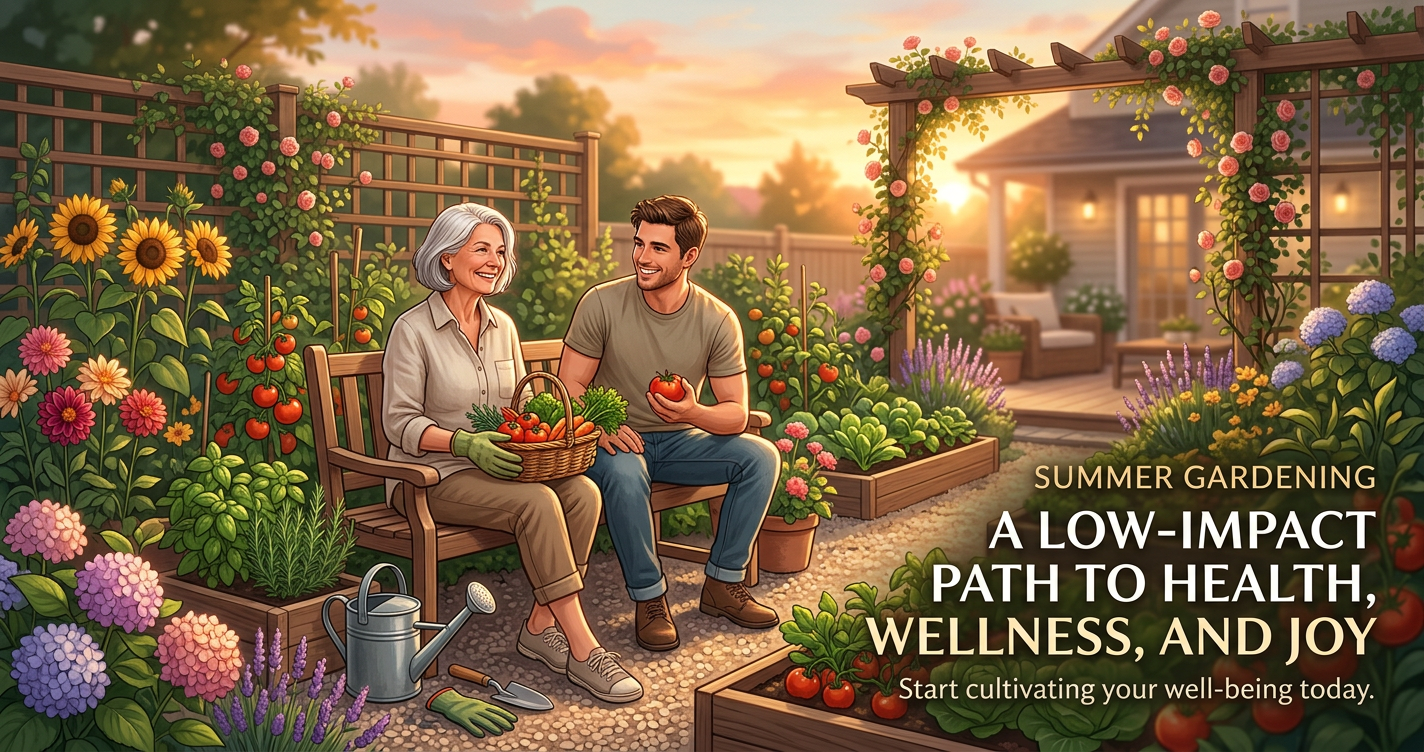
There is something almost magical about the first few weeks of summer. The sun hangs a little longer in the sky, the air smells like fresh-cut grass, and your backyard starts calling your name. While many people associate summer fitness with sweat-drenched HIIT sessions or long-distance cycling, there is a quieter, more rhythmic way to stay healthy that doesn’t involve a gym membership: gardening. Often dismissed as just a hobby for retirees or those with too much time on their hands, summer gardening is actually one of the most effective low-impact activities you can do for your physical and mental well-being.
It’s time we stop looking at pulling weeds as a chore and start seeing it as a functional workout. When you are out there in the dirt, you aren’t just growing tomatoes or hydrangeas; you are cultivating a stronger version of yourself. From the vitamin D soaking into your skin to the subtle strength building in your forearms and core, gardening offers a holistic approach to health that few other outdoor activities can match. So, grab your trowel and a sun hat, because we’re diving deep into why your garden is the best health club you’ll ever join.
The Physical Prowess of the Backyard Gardener
When you think of "exercise," images of treadmills and weights probably come to mind. But look closer at what you do in the garden. Gardening is essentially a series of functional movements—squatting, lunging, reaching, and lifting—that engage muscle groups we often neglect in our sedentary daily lives. Because it is low-impact, it places significantly less stress on your joints than running or high-intensity aerobics, making it an ideal lifetime activity for people of all ages.
Strength Training in the Soil
Have you ever tried to move a fifty-pound bag of mulch or transplant a large shrub? That is resistance training in its purest form. Digging, specifically, is a full-body workout. It requires leg strength for leverage, core stability to protect your back, and shoulder power to move the soil. Even the smaller tasks, like pruning or hand-weeding, contribute to hand strength and manual dexterity, which are crucial as we age. Recent studies have even suggested that the regular grip strength used in gardening can help prevent the onset of arthritis and keep finger joints supple.
Flexibility and Balance
The garden is rarely a flat, perfectly level surface. Navigating between rows of vegetables or reaching over a flower bed to snip a dead bloom requires balance and flexibility. You are constantly shifting your center of gravity, which helps improve proprioception—your body's ability to sense its position in space. This "functional yoga" helps keep your muscles long and lean. Unlike a gym workout where you repeat the same mechanical motion, gardening movements are varied and unpredictable, which keeps your muscles guessing and prevents overuse injuries common in more repetitive sports.
Cardiovascular Health without the Burnout
You don't need to be gasping for air to improve your heart health. Gardening is classified as a moderate-intensity exercise. Spending an hour or two mowing the lawn, raking leaves, or even just aggressively weeding can burn anywhere from 200 to 400 calories. Because gardening is often a "flow" activity—where you lose track of time—you might find yourself exercising for three hours without ever feeling the psychological fatigue that comes with a thirty-minute run on a treadmill. It is the ultimate "sneaky" cardio.
Digging and Shoveling: Targets the glutes, hamstrings, and shoulders.
Weeding by Hand: Improves grip strength and forearm endurance.
Carrying Watering Cans: Acts as a "farmer's carry," strengthening the core and traps.
Raking: Exceptional for the obliques and upper back.
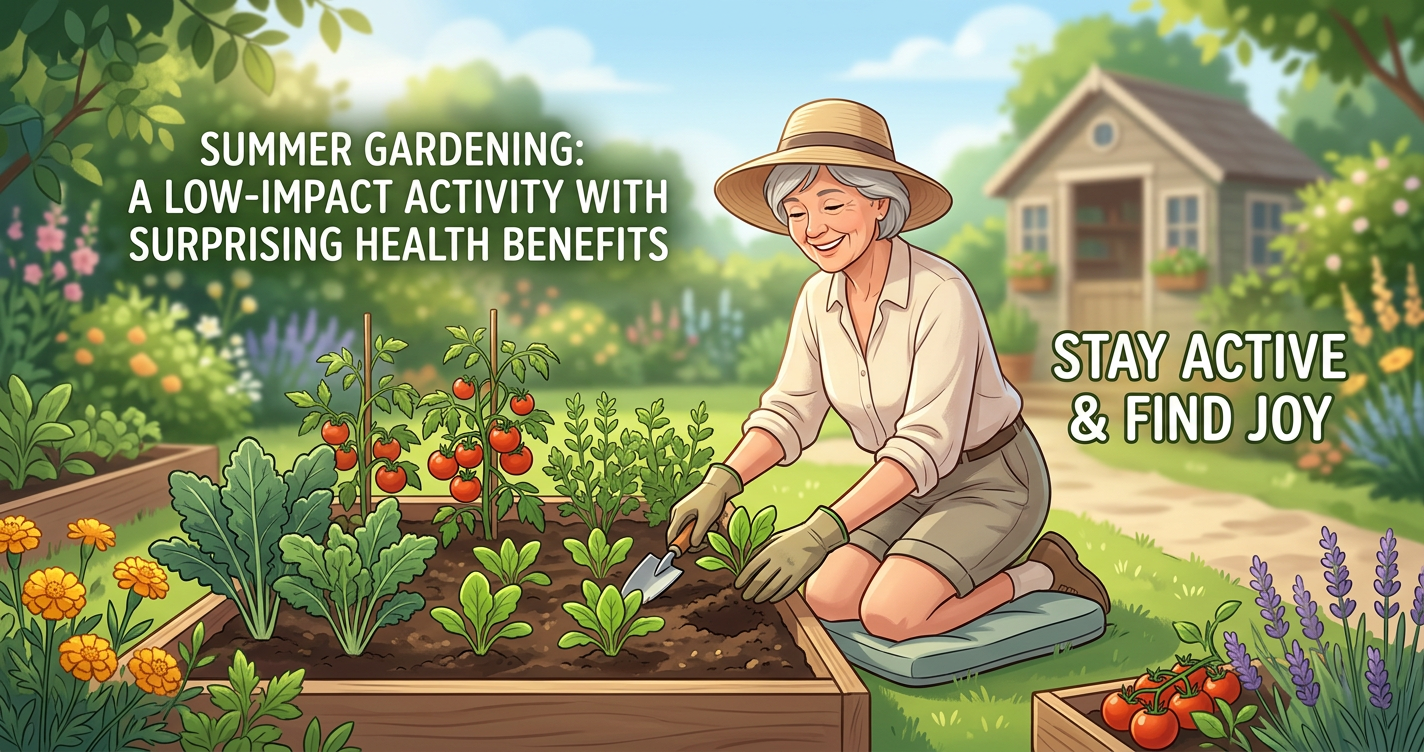
The Mental Oasis: Psychological Benefits of Getting Dirty
If the physical benefits haven't convinced you yet, the mental health perks of summer gardening certainly will. In a world that is increasingly digital and disconnected, gardening offers a "grounding" experience—literally. There is something profoundly therapeutic about putting your hands in the earth. Psychologists have long noted the benefits of "Horticultural Therapy," and for good reason.
The Microbe-Mood Connection
Did you know that the soil itself might contain a natural antidepressant? Research has shown that Mycobacterium vaccae, a healthy bacterium found in soil, can stimulate serotonin production in the human brain. Serotonin is the chemical that helps us feel relaxed and happy. When you’re digging around and mucking about in the garden, you’re inhaling these microbes and getting them on your skin, which can actually lead to a measurable lift in your mood. It’s nature’s way of rewarding you for tending to the earth.
Stress Reduction and Cortisol Levels
Stress is a silent killer, contributing to everything from heart disease to insomnia. Gardening has been shown to lower levels of cortisol, the body’s primary stress hormone, more effectively than many other relaxing hobbies. The rhythmic nature of gardening—the snip-snip of shears, the sound of water hitting the leaves—promotes a meditative state. It encourages "soft fascination," a type of attention that allows the brain to recover from the "directed attention fatigue" caused by smartphones and office work. In the garden, you aren't checking emails; you're checking for aphids, and that shift in focus makes all the difference.
The Power of Nurturing
There is an immense sense of accomplishment and purpose that comes from taking a tiny, fragile seed and nurturing it into a towering sunflower or a fruit-bearing tomato plant. This sense of agency—the knowledge that your care and attention directly resulted in growth—is a powerful antidote to feelings of helplessness or depression. It connects us to the cycles of life, teaching us patience and resilience. Sometimes a plant dies despite our best efforts, and that too is a lesson in acceptance and moving forward—a microcosm of life's larger challenges.
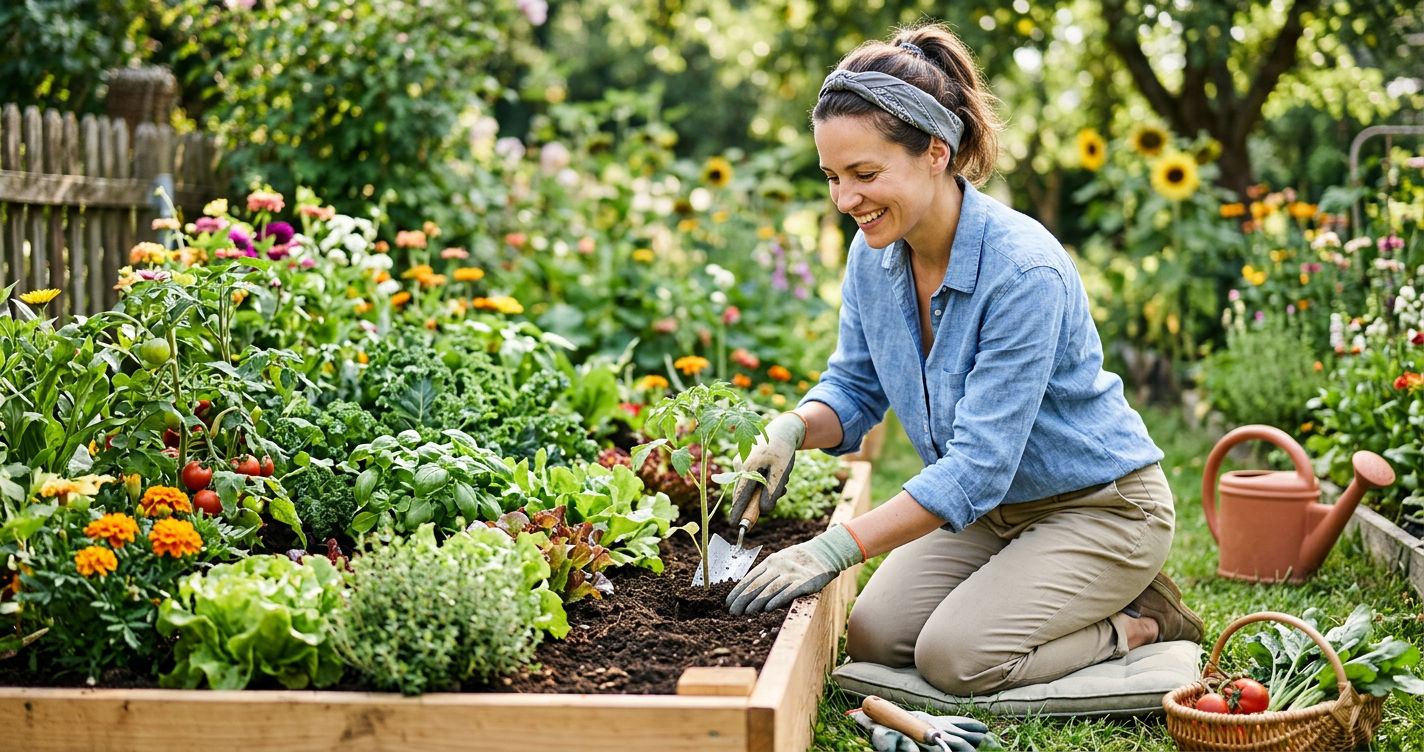
Nutritional Gold and Environmental Synergy
Beyond the exercise and the headspace, gardening provides a direct link to better nutrition. Summer gardening allows you to control exactly what goes into your body. When you grow your own food, you are bypassing the long-haul trucking and chemical preservatives that define the modern grocery store experience. This is nutrition in its most potent, sun-ripened form.
The Flavor and Nutrient Gap
A grocery store tomato is bred for one thing: durability. It needs to survive a 1,000-mile truck ride without bruising. Consequently, it often lacks flavor and nutrient density. A sun-warmed tomato picked straight from your own vine, however, is a different species entirely. It is packed with vitamin C, potassium, and lycopene—a powerful antioxidant. Because you can eat produce immediately after harvesting, you are consuming the maximum amount of vitamins, which begin to degrade the moment a plant is harvested.
Encouraging Healthier Eating Habits
It’s a simple psychological fact: if you grow it, you are more likely to eat it. Families with gardens tend to consume significantly more servings of fruits and vegetables than those without. This "garden-to-table" pipeline makes healthy eating feel like a reward rather than a chore. You’ll find yourself experimenting with recipes for zucchini blossoms or making fresh pesto from your basil overflow, naturally shifting your diet away from processed foods and toward whole, plant-based nutrition.
Vitamin D: The Sunshine Hormone
We can’t talk about summer gardening without mentioning the sun. While you should always be mindful of UV protection, spending 15–20 minutes in the sun while you garden helps your body synthesize Vitamin D. This "hormone" is essential for bone health, immune function, and even regulating mood. Low-impact gardening ensures you get that vital outdoor time, helping to regulate your circadian rhythm and improve your sleep quality at night.
Environmental Stewardship
Finally, gardening is an act of environmental health. By planting native flowers and avoiding harsh pesticides, you are creating a sanctuary for local pollinators like bees and butterflies. Reducing your reliance on store-bought produce lowers your carbon footprint. Knowing that your small patch of land is contributing to a healthier ecosystem provides a "helper’s high" that reinforces your overall sense of well-being. You aren't just a consumer; you are a producer and a protector of the local environment.
Tips for Low-Impact Success
Use Raised Beds: If you have back or knee issues, raised beds bring the garden to you, reducing the need for deep bending.
Stay Hydrated: Use a large, insulated water bottle and take frequent breaks in the shade.
Warm Up: Spend five minutes doing light stretches before you start heavy digging.
Listen to Your Body: If your back start to ache, swap tasks. Move from digging to light pruning to give your muscles a break.
As the summer heat carries on, don't look at your garden as just another item on your to-do list. See it for what it truly is: a sanctuary for your mind, a gym for your body, and a pantry for your health. Whether you have a sprawling backyard or just a few pots on a sunny balcony, the act of gardening is one of the most rewarding low-impact activities you can embrace. So go ahead, get your hands dirty—your body and mind will thank you.