The Foundation of Cognitive Resilience: Nutrition and Hydration
As we navigate the complexities of aging, one of the most powerful tools we have for maintaining sharp mental acuity is hiding in plain sight: our diet. The brain is an incredibly energy-intensive organ, consuming approximately 20% of the body's total calories despite making up only 2% of its weight. Therefore, the fuel we provide it directly dictates its ability to perform neural repairs, manage inflammation, and transmit signals between synapses. Adopting a diet rich in "brain foods" isn't about drastic, unsustainable changes; it’s about incorporating simple, daily choices that cumulative protect your gray matter.
Prioritizing Omega-3s and Antioxidants
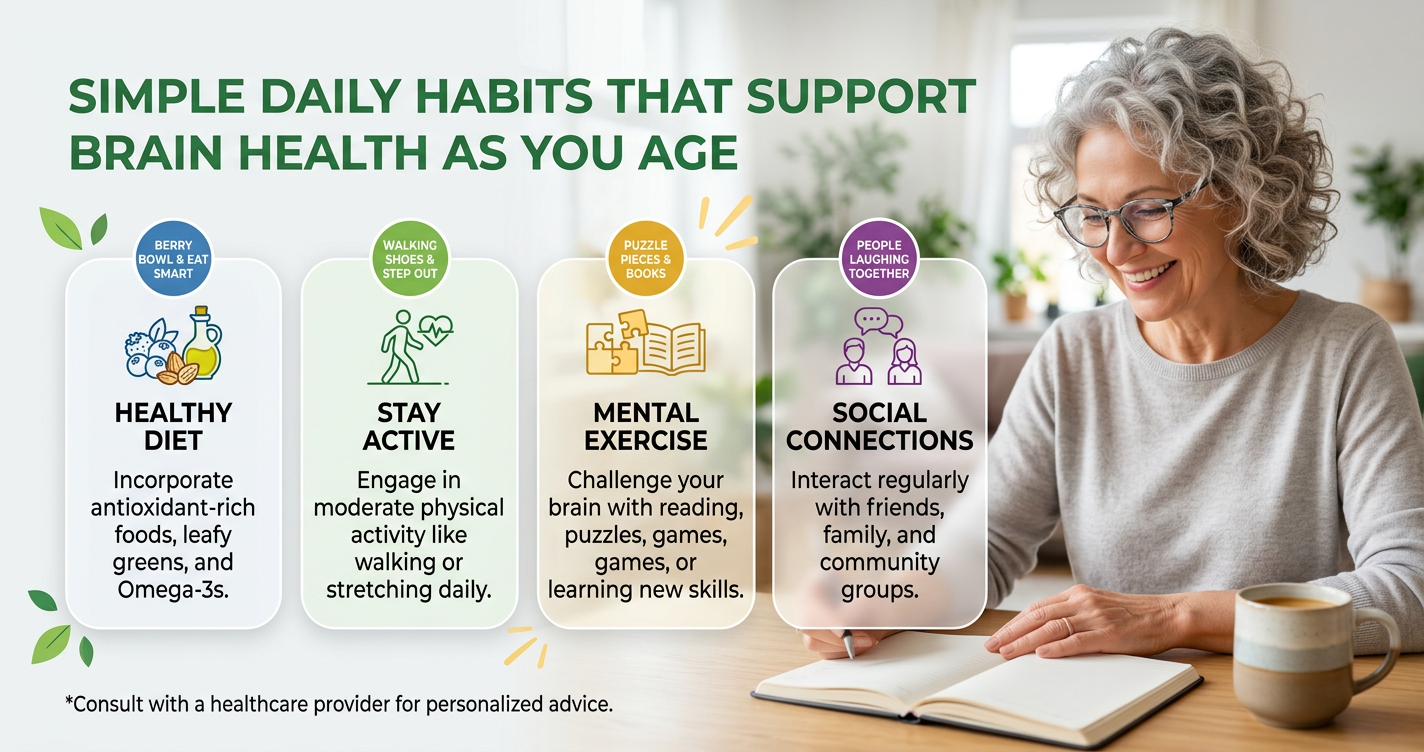
The structural integrity of our brain cells relies heavily on healthy fats. Specifically, Omega-3 fatty acids, found in fatty fish like salmon, walnuts, and flaxseeds, are essential for building cell membranes in the brain. They have been shown to improve blood flow to the brain and may reduce the risk of cognitive decline. Alongside healthy fats, antioxidants play a defensive role. Every day, our bodies undergo oxidative stress, a process that can damage brain cells over time. By consuming a handful of blueberries, a square of dark chocolate, or leafy greens like spinach and kale, you provide your body with the antioxidants necessary to neutralize free radicals, effectively acting as a shield for your neurons.
The Overlooked Power of Hydration
While we often focus on solid nutrients, cellular hydration is perhaps the most immediate factor influencing daily brain performance. Even mild dehydration can impair short-term memory, concentration, and executive function. When the body is dehydrated, the brain actually shrinks slightly in volume, forcing it to work harder to achieve the same results. A simple daily habit is to start your morning with a full glass of water before your first cup of coffee. Carrying a reusable water bottle throughout the day ensures that your brain remains in an optimal state for processing information and stabilizing mood.
Swap sugary snacks for a handful of walnuts or almonds.
Aim for at least three servings of fatty fish per week.
Integrate "colorful" eating—the more vibrant the vegetable, the higher the antioxidant content.
Monitor hydration levels by checking the color of your urine; pale yellow is the goal.
Physical Movement and the Neuroplasticity Connection
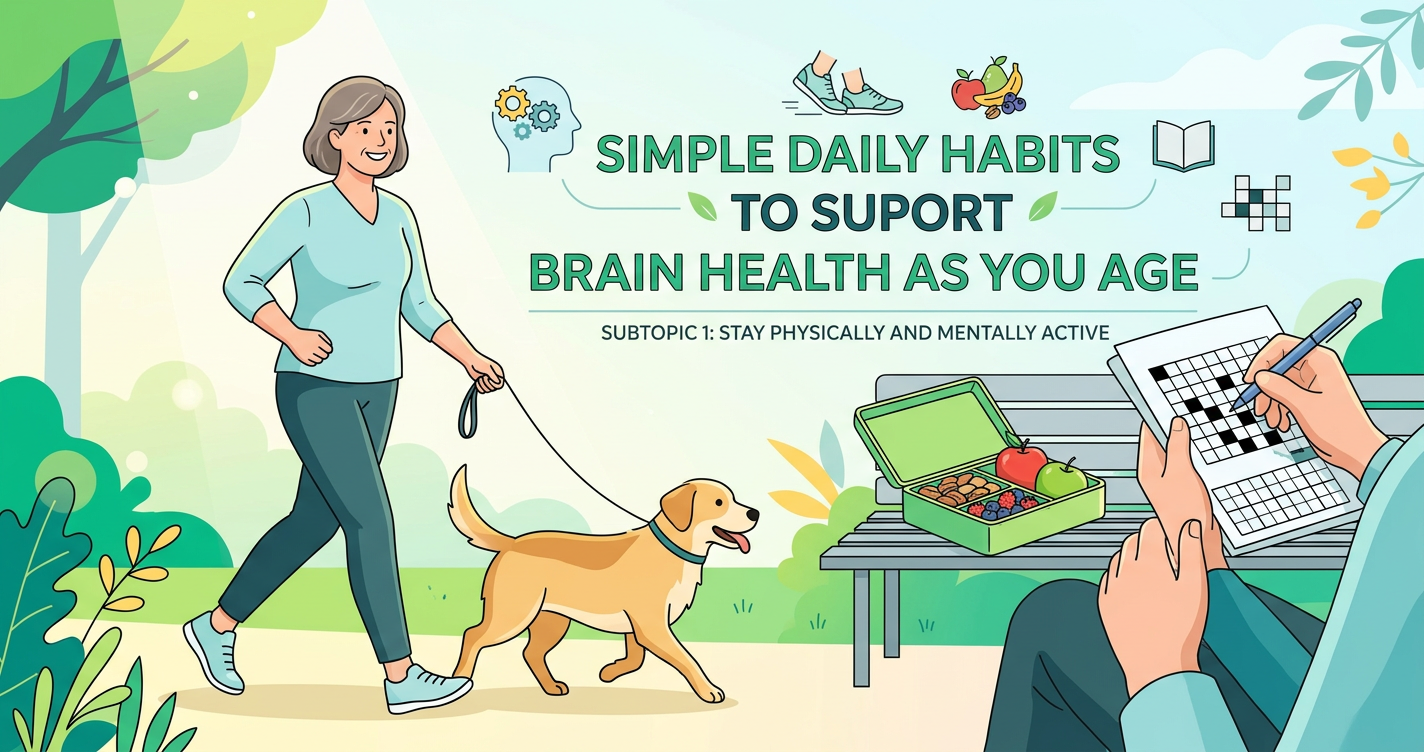
For decades, scientists believed the adult brain was relatively static. We now know this is false thanks to the discovery of neuroplasticity—the brain’s ability to reorganize itself by forming new neural connections throughout life. One of the most potent triggers for neuroplasticity is physical exercise. You don’t need to run marathons to reap these benefits; consistent, moderate movement is the key to maintaining a young brain in an aging body.
The Role of BDNF in Brain Growth
When you engage in aerobic activity—even a brisk 20-minute walk—your brain increases the production of a protein called Brain-Derived Neurotrophic Factor (BDNF). Often referred to by neuroscientists as "Miracle-Gro for the brain," BDNF helps existing neurons survive while encouraging the growth and differentiation of new neurons and synapses. This process is particularly vital in the hippocampus, the region of the brain associated with memory and learning. By making movement a non-negotiable part of your morning or afternoon routine, you are essentially fertilizing your brain's internal architecture.
Combining Movement with Coordination
While walking is excellent, activities that require coordination and social engagement offer a double-whammy of cognitive benefits. Exercises like tai chi, dancing, or even doubles tennis require the brain to process spatial information, timing, and social cues simultaneously. These activities challenge the cerebellum and the frontal cortex, keeping the neural pathways responsible for balance and executive function well-oiled. The goal is to avoid a sedentary lifestyle; try setting a timer to stand up and stretch every 60 minutes if you work at a desk.
Go for a 30-minute walk in nature to lower cortisol and boost BDNF.
Practice balance exercises, like standing on one leg while brushing your teeth, to engage the cerebellum.
Incorporate resistance training twice a week to improve metabolic health, which is linked to brain health.
Use the stairs instead of the elevator to get quick bursts of heart-rate-elevating activity.
Mental Stimulation and Sleep: The Cleaning and Strengthening Phase
The final pillar of a brain-healthy lifestyle involves how we challenge our minds during the day and how we allow them to recover at night. Cognitive decline is often exacerbated by a "use it or lose it" scenario. If we stop challenging ourselves with new information, the brain’s synaptic density can begin to thin. Conversely, if we challenge ourselves but fail to sleep, the brain cannot clear out the waste products generated during those challenges.
Lifelong Learning and Cognitive Reserve
Building "cognitive reserve" is like putting money into a physiological savings account. This reserve allows the brain to function normally even if some cells are damaged or lost due to aging. You build this reserve by leaning into "desirable difficulties"—tasks that are just hard enough to be slightly frustrating but ultimately rewarding. This could mean learning a new language, picking up an instrument, or even taking a different route home from work. These activities force the brain to map new territory rather than relying on automated "autopilot" pathways.
The Glymphatic System and the Power of Rest
While stimulation builds the brain, sleep cleanses it. During deep sleep, the brain’s glymphatic system becomes active. Think of it as a nightly "dishwasher" for your head. This system flushes out metabolic waste, including beta-amyloid, a protein associated with Alzheimer’s disease. Without adequate, high-quality sleep (typically 7–9 hours), these toxins accumulate, leading to brain fog, irritability, and long-term cognitive risks. Establishing a strict digital sunset—turning off screens an hour before bed—helps regulate melatonin and ensures that your brain can enter the deep restorative stages of sleep necessary for memory consolidation.
Read a non-fiction book or listen to a challenging podcast daily.
Engage in puzzles or strategy games that require problem-solving, not just rote memorization.
Prioritize a consistent sleep schedule, even on weekends, to stabilize your circadian rhythm.
Ditch the smartphone 60 minutes before bed to reduce blue light exposure and mental overstimulation.
Ultimately, supporting brain health as you age is not about a single "magic pill" or an expensive supplement. It is the cumulative effect of small, intentional daily habits. By nourishing your body with high-quality nutrients, moving your limbs to trigger neural growth, and balancing mental challenges with deep rest, you create an environment where your brain can thrive for decades to come. Start with just one of these habits today—your future self will thank you for the clarity and resilience you are building now.