Decoding the Lectin Myth: What Science Really Says for Those Over 50
If you have been keeping an eye on health trends lately, you have likely heard the word "lectins" whispered with a sense of dread. Often labeled as "anti-nutrients," lectins have been blamed for everything from weight gain to systemic inflammation. For individuals 50 years or older, these claims can feel particularly urgent. At this stage of life, digestion naturally begins to slow, and the body’s inflammatory responses can become more pronounced. However, before you banish every bean and grain from your pantry, it is essential to separate dietary hype from biological reality.
What exactly are lectins?
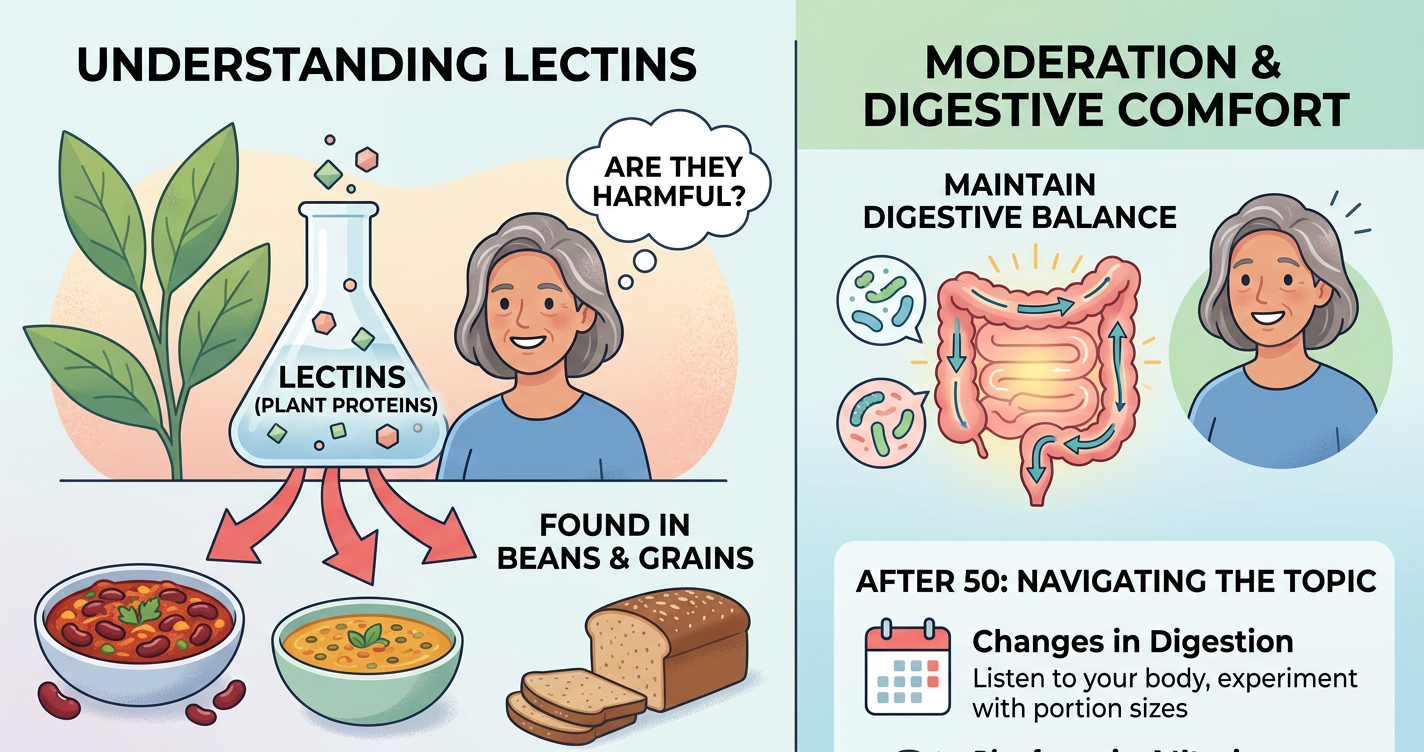
Lectins are a type of protein found in virtually all plants, though they are most concentrated in legumes (beans, lentils, peanuts), nightshades (tomatoes, potatoes, eggplants), and whole grains. In nature, these proteins serve as a defense mechanism for the plant. Because plants cannot run away from predators, they produce lectins to cause digestive distress in insects or animals that consume them, theoretically discouraging the predator from eating them again. In humans, raw lectins can indeed be problematic; they are "sticky" molecules that can bind to the lining of the digestive tract.
The aging gut and lectin sensitivity
As we cross the threshold of 50, our digestive physiology undergoes subtle shifts. Gastric acid production may decrease, and the diversity of our gut microbiome often changes. This can make the "sticky" nature of lectins more noticeable for some. If you feel more bloated or lethargic after a bowl of lentils than you did in your 30s, it isn’t necessarily a reason to fear lectins—it is a signal that your preparation methods might need to evolve alongside your body. The goal isn't avoidance; it’s optimization.
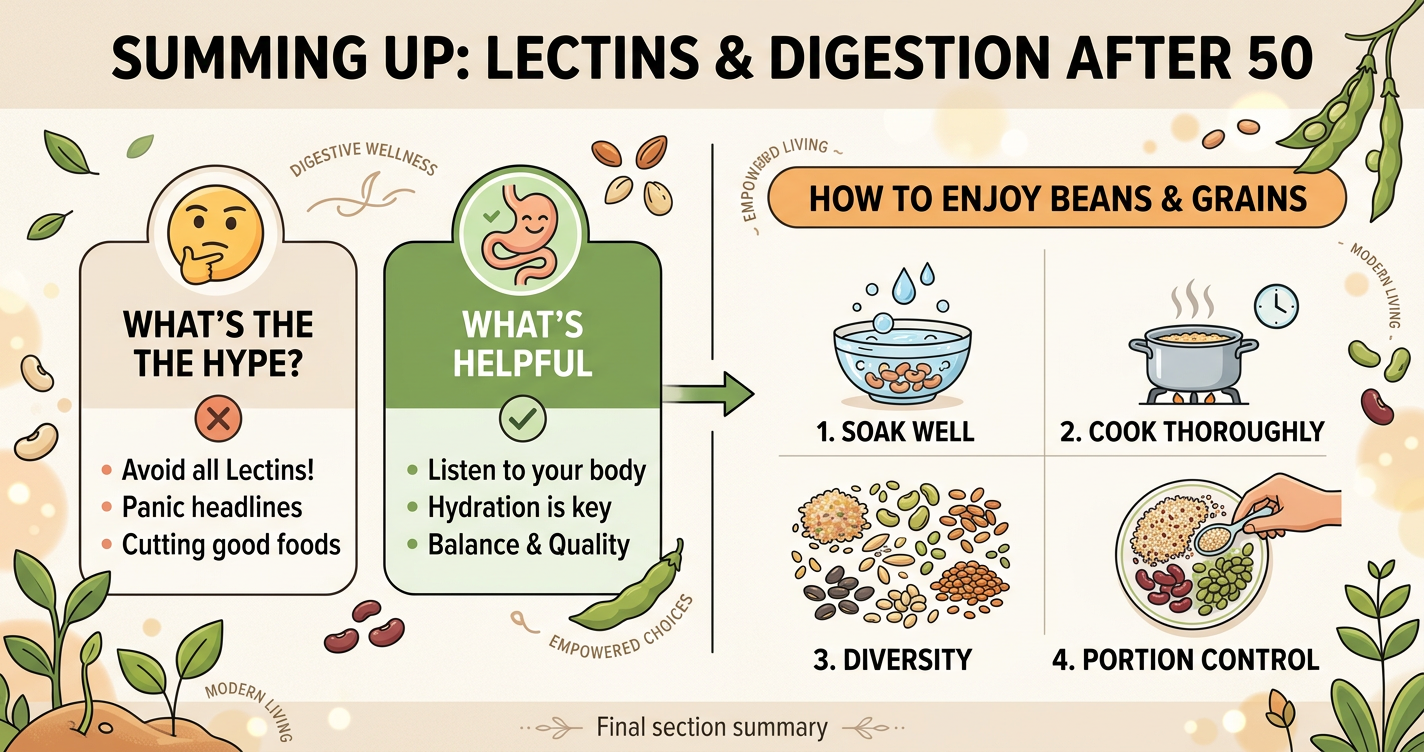
The "hype" suggests that lectins are universal toxins. The "help" suggests that for most people, the health benefits of lectin-containing foods far outweigh the risks, provided they are prepared correctly. Grains and beans are powerhouses of fiber and essential minerals that are crucial for heart health and cognitive function as we age. To cut them out entirely is to lose some of the most potent tools we have for longevity.
The Hidden Benefits: Why Beans and Grains are Vital for Longevity
While the anti-lectin movement focuses on the potential negatives, it often ignores the massive nutritional windfall these foods provide. For those 50 years or older, beans and grains are not just fillers; they are functional foods that support long-term wellness. When we talk about gut health, we cannot have a conversation without mentioning fiber, and beans are among the densest sources available.
The Prebiotic Powerhouse
A significant portion of the carbohydrates found in beans and whole grains are prebiotics. Unlike probiotics (the live bacteria found in yogurt), prebiotics are the non-digestible fibers that feed the "good" bacteria already living in your colon. As we age, maintaining a diverse microbiome is linked to better immune function and even improved mood. By consuming a variety of legumes, you are essentially "fertilizing" your internal garden, ensuring that beneficial microbes flourish and crowd out harmful ones.
Managing Blood Sugar and Heart Health
Standard dietary advice for those over 50 emphasizes heart health and blood sugar management. Beans and whole grains have a low glycemic index, meaning they provide a slow, steady release of energy rather than the spikes and crashes associated with refined flours. This is vital for preventing Type 2 diabetes and managing metabolic syndrome. Furthermore, the soluble fiber in beans binds to cholesterol in the digestive tract and helps escort it out of the body, making it a natural tool for maintaining healthy lipid levels.
Lentils: Excellent source of folate and magnesium, supporting heart rhythm and DNA repair.
Chickpeas: High in manganese and fiber, aiding bone health and digestion.
Quinoa and Farro: Whole grains that provide essential B vitamins and complex carbohydrates for sustained brain power.
Black Beans: Packed with anthocyanins, the same antioxidants found in berries, which fight oxidative stress.
When you look at the "Blue Zones"—regions of the world where people live the longest, often reaching 100 in good health—a common denominator is the daily consumption of beans and grains. These populations aren't avoiding lectins; they are embracing them as a foundation of their diet. The key difference lies in how these foods are treated before they reach the plate.
Mastering Preparation: How to Eliminate the Bloat and Maximize Nutrition
If you find that beans and grains cause discomfort, the solution isn't to stop eating them—it's to change how you cook them. Most of the negative effects associated with lectins occur when they are consumed in their raw or undercooked state. Modern culinary shortcuts have led us to forget the traditional wisdom that makes these foods digestible. For those with a more sensitive digestive system after 50, these steps are non-negotiable.
The Power of Soaking
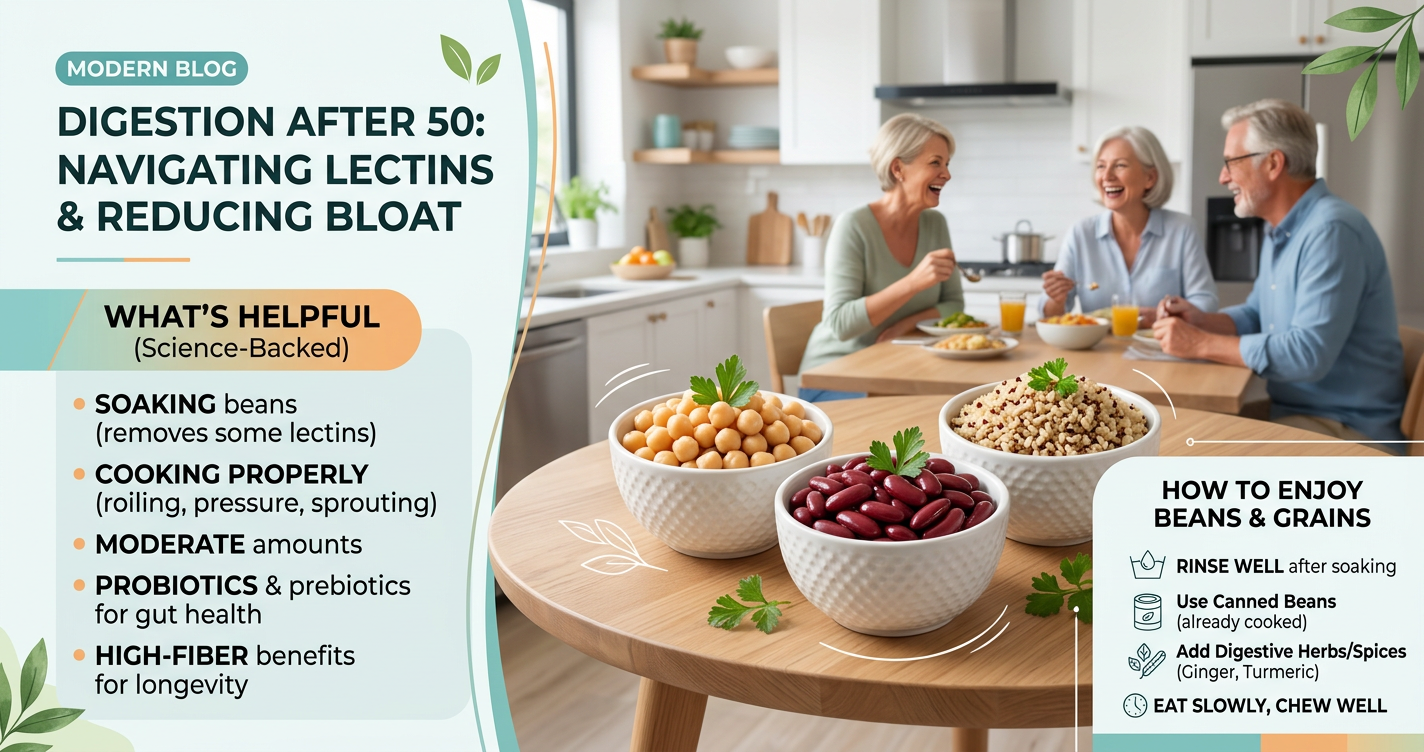
Soaking is the first line of defense. By submerging dried beans or grains in water for 12 to 24 hours, you initiate a process that begins to break down lectins and phytates (another anti-nutrient). It is important to discard the soaking water and rinse the food thoroughly before cooking. For those with significant sensitivity, changing the soaking water every few hours can further reduce the compounds that cause gas and bloating.
Pressure Cooking: The Ultimate Lectin Neutralizer
If there is one tool every health-conscious individual over 50 should have in their kitchen, it is a pressure cooker. High-heat, high-pressure environments are incredibly effective at denaturing lectins. Unlike slow cooking, which may not reach high enough temperatures to fully neutralize certain lectin types (specifically phytohaemagglutinin found in red kidney beans), pressure cooking breaks these proteins apart, making the food much easier on the gut. It also significantly reduces cooking time, making it easier to incorporate whole foods into a busy schedule.
Fermentation and Sprouting
For the ultimate in gut health, consider sprouted grains or fermented legume products like tempeh. Sprouting activates enzymes within the seed that pre-digest much of the starch and protein, making the nutrients more bioavailable. Fermentation goes a step further by using beneficial bacteria to break down lectins and complex sugars. This not only eliminates the "bloat factor" but also introduces probiotics directly into your meal.
Gradual Integration for Gut Adaptation
If your diet has been low in fiber for years, jumping into a bean-heavy diet will cause distress regardless of lectins. Your gut microbiome needs time to adapt. Start with small servings—perhaps a quarter-cup of well-cooked lentils—and gradually increase the amount over several weeks. Your digestive enzymes and bacterial colonies will "level up" to meet the demand, eventually allowing you to enjoy these nutrient-dense foods without any discomfort.
In conclusion, for those 50 years or older, the conversation around lectins should be one of empowerment, not fear. While it is true that raw lectins can be tough on the system, traditional preparation methods like soaking, sprouting, and pressure cooking turn these potential irritants into easy-to-digest fuel. By focusing on gut health and utilizing the prebiotic power of beans and grains, you can support your longevity, manage your weight, and enjoy a vibrant, varied diet for decades to come.