We’ve all been there: the sun is shining, the birds are chirping, and you have a list of fun summer plans a mile long. But instead of feeling like a beach-ready bundle of energy, you feel like a melted popsicle on a sidewalk. Welcome to the world of summer fatigue. It’s that heavy, sluggish feeling that settles in when the mercury rises, making even the simplest tasks feel like trekking through quicksand.
While we often associate exhaustion with the dark, cold days of winter, "summer slump" is a very real phenomenon. Between the soaring temperatures, the humidity that feels like a warm wet blanket, and the disrupted sleep schedules that come with longer days, our bodies are working overtime just to keep us cool and functioning. But don't worry—you don't have to spend the next three months hiding in front of an air conditioner. With a few lifestyle tweaks and a better understanding of how your body reacts to the heat, you can reclaim your vitality and enjoy every bit of the sunshine.
1. Mastering the Biological Cool-Down
The primary reason we feel so exhausted during the summer is simple thermodynamics. Your body is a finely tuned machine that thrives at a core temperature of about 98.6°F. When the air around you is pushing 90°F or higher, your body has to work significantly harder to dissipate heat. This process, known as thermoregulation, consumes a massive amount of metabolic energy.
The Role of Hydration and Electrolytes
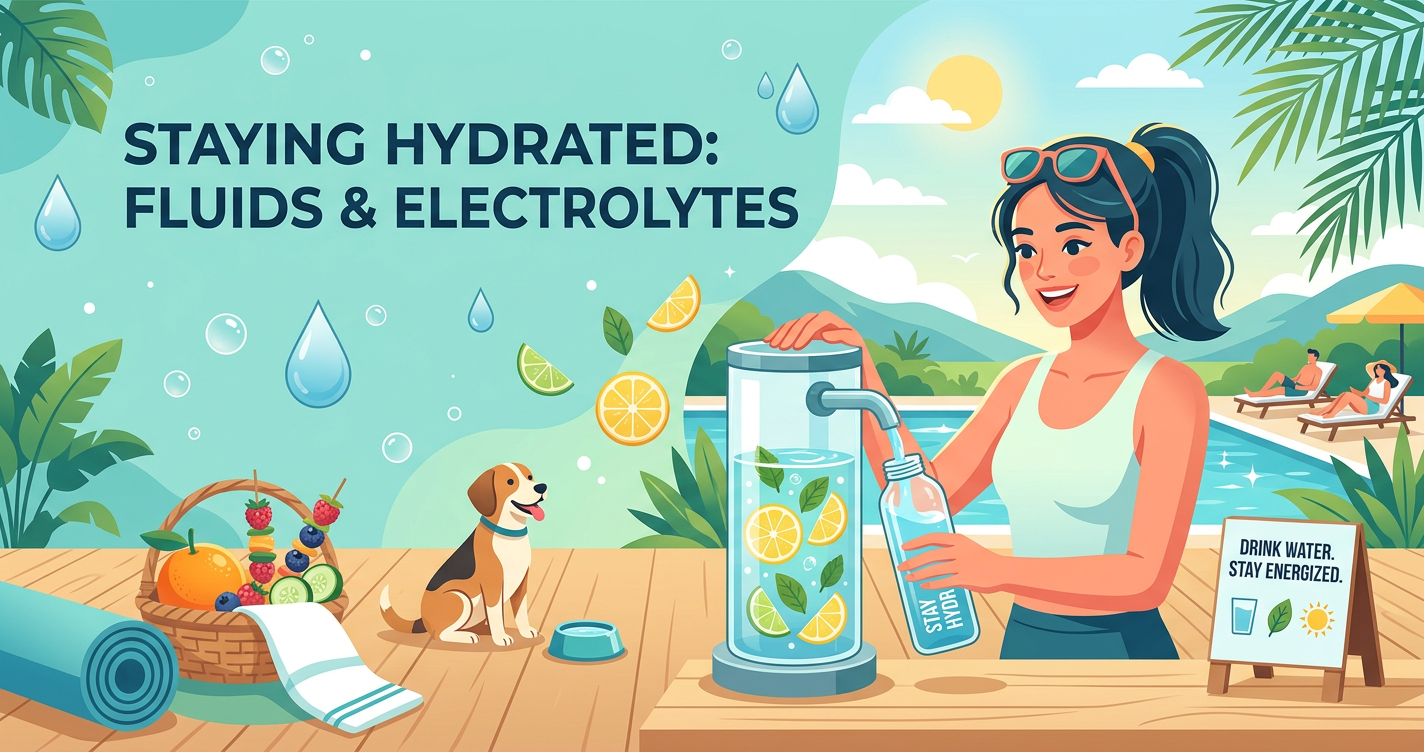
You’ve heard it a thousand times: drink more water. But when it comes to preventing summer fatigue, it’s not just about the volume of liquid; it’s about the quality and timing. When you sweat, you aren’t just losing water; you’re losing essential minerals like sodium, potassium, and magnesium. These electrolytes are responsible for muscle function and nerve signaling. If your levels dip too low, you’ll experience "brain fog," muscle weakness, and that signature summer lethargy.
Infused Water: If plain water feels boring, add cucumber, mint, or citrus. These additives provide a tiny boost of vitamins and make it easier to stay consistent.
Salt Your Food: Unless you have a medical condition requiring low sodium, don't be afraid to add a pinch of sea salt to your meals during a heatwave to replace what you sweat out.
Watch the Caffeine: While an iced latte feels like a summer staple, caffeine is a diuretic. It can lead to dehydration if not balanced with equal parts water.
Smart Eating for Seasonal Energy
In the winter, we crave heavy, hearty stews. In the summer, those same meals can leave you feeling comatose. Digestion generates heat (thermogenesis). By eating large, protein-heavy, or high-fat meals, you’re asking your body to do intense internal work while it’s already struggling to cool down from the outside. Transitioning to a "summer diet" can make a world of difference.
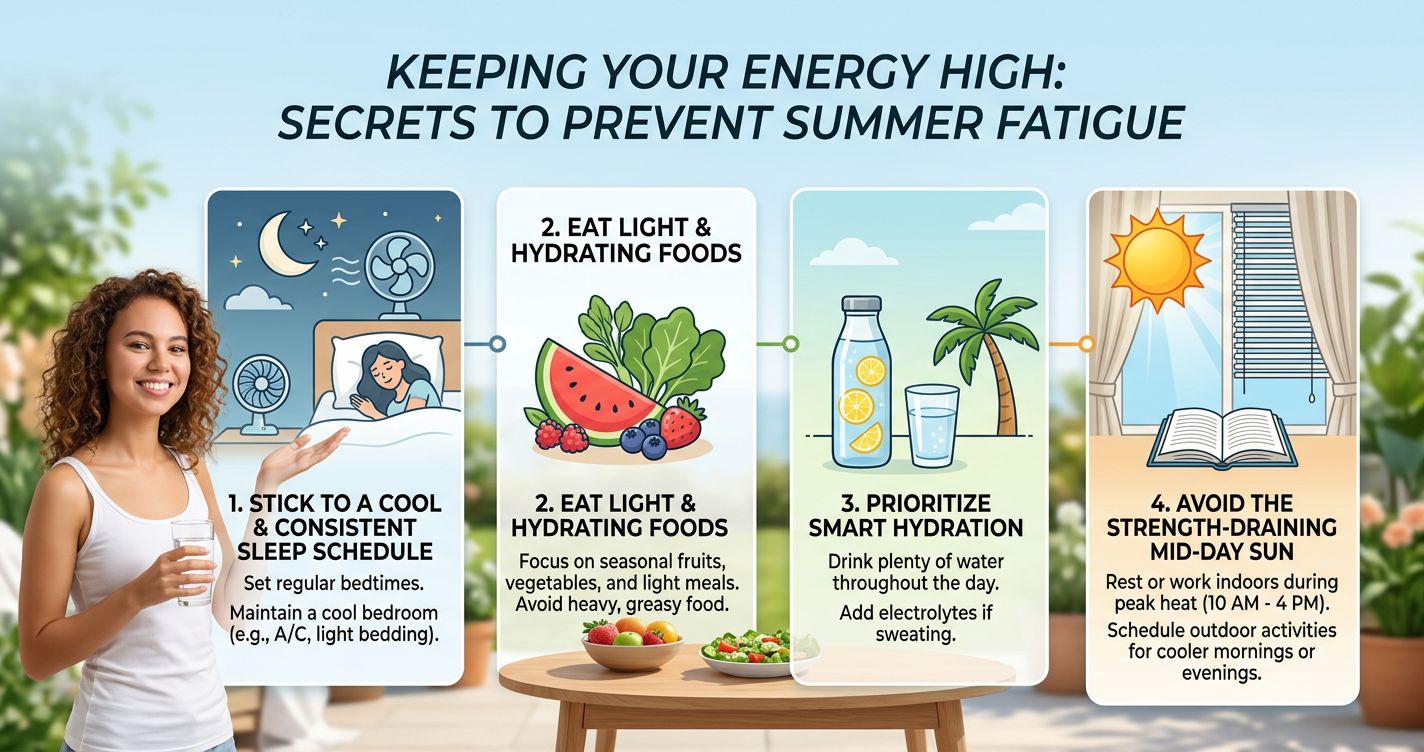
Focus on high-water-content foods like watermelon, celery, strawberries, and leafy greens. These foods hydrate you from the inside out. Additionally, try eating smaller, more frequent meals. This prevents the "food coma" effect and provides a steady stream of glucose to your brain without a massive spike in internal body temperature.
The Importance of Strategic Cooling
Sometimes, hydration isn't enough; you need to lower your external temperature. One of the fastest ways to reset your energy levels is to cool your pulse points. Running cold water over your wrists or placing a damp towel on the back of your neck can trick your nervous system into a state of calm. This reduces the "flight or fight" stress response that heat often triggers, saving your precious energy for things you actually want to do.
2. Adjusting Your Circadian Rhythm for Longer Days
Summer brings more daylight, which sounds great in theory but can wreak havoc on your internal clock. Our bodies rely on the transition from light to dark to produce melatonin, the hormone that tells us it’s time to sleep. When the sun stays up until 9:00 PM, your brain gets confused, often leading to delayed sleep onset and poorer sleep quality.
Creating a Summer Sleep Sanctuary
Heat is the enemy of deep sleep. Research shows that the optimal temperature for sleep is around 65°F (18°C). When it’s sweltering outside, your core temperature stays elevated, preventing you from reaching the restorative REM and deep sleep stages. This leads to a cumulative "sleep debt" that manifests as chronic summer fatigue.
Blackout Curtains: These are non-negotiable in the summer. They block the evening sun and help insulate your room against the heat.
Breathable Fabrics: Swap out your polyester or high-thread-count cotton sheets for linen or bamboo. These natural fibers allow for better airflow and moisture-wicking.
The "Cooling" Shower: Take a lukewarm (not freezing cold) shower before bed. A freezing shower can actually cause your body to rebound by heating up. A lukewarm shower helps your core temperature drop naturally as you dry off.
The Art of the Summer Siesta
There’s a reason many cultures in warmer climates embrace the afternoon nap. Between 2:00 PM and 4:00 PM, your body temperature naturally dips, and in the heat of summer, this dip is even more pronounced. Instead of fighting through the haze with another cup of coffee, try a 20-minute power nap. Anything longer might leave you feeling groggier (the "sleep inertia" effect), but a short rest can reset your central nervous system and give you a second wind for the evening.
Managing Light Exposure
In the summer, we are bombarded with blue light from the sun all day long. While this is great for mood, it can be overstimulating. Try to dim the lights inside your home as soon as the sun goes down. This signals to your pineal gland that the day is ending, despite what the bright evening sky might suggest. Reducing screen time at night is even more critical in the summer to ensure your brain can wind down effectively.
3. Mindful Movement and Environmental Design
Maintaining an exercise routine in the summer is a balancing act. If you push too hard in high humidity, you risk heat exhaustion. If you stop moving altogether, your circulation slows down, and you'll actually feel more tired. The key is to adapt your movement to the environment rather than trying to power through it.
Timing Your Activity
The "danger zone" for heat is typically between 10:00 AM and 4:00 PM. If you’re a runner or outdoor enthusiast, you need to become an early bird or a night owl. Exercising in the "Golden Hour" (just after sunrise) gives you an endorphin boost that carries you through the day without the thermal stress of midday sun. If you must exercise during the day, move it indoors to an air-conditioned gym or try a low-impact activity like swimming, which provides instant heat dissipation.
The Psychology of Summer Burnout
Summer fatigue isn't just physical; it's mental. We often feel an immense pressure to "make the most of the weather." This "FOMO" (fear of missing out) leads us to overbook our weekends with barbecues, weddings, and travel. Social exhaustion is a major contributor to feeling drained during the warmer months.
Give yourself permission to have a "slow summer." You don't have to attend every event. Prioritize the activities that actually bring you joy and leave enough white space in your calendar for recovery. Stress increases cortisol levels, and high cortisol combined with high heat is a recipe for a total energy crash.
Building a Supportive Environment
Your physical surroundings play a massive role in how you feel. If your office or home is cluttered and stuffy, the heat will feel more oppressive.
Cross-Ventilation: If you don't have AC, learn the art of the cross-breeze. Open windows on opposite sides of the house and use fans to push hot air out and pull cool air in.
Dress the Part: Wear loose-fitting, light-colored clothing. Light colors reflect heat, while loose fits allow air to circulate against your skin, aiding the evaporation of sweat.
Plant Power: Certain houseplants, like aloe vera or snake plants, can actually help cool a room through a process called transpiration. Plus, they improve indoor air quality, which can get stagnant in the summer.
Staying energized all summer long doesn't require a total life overhaul. It’s about listening to your body’s signals and respecting the fact that heat is a significant physiological stressor. By doubling down on hydration, protecting your sleep, and being strategic about when and how you move, you can beat the slump. Embrace the slower pace that heat demands, and you'll find yourself with more than enough energy to enjoy those long, sun-drenched evenings.