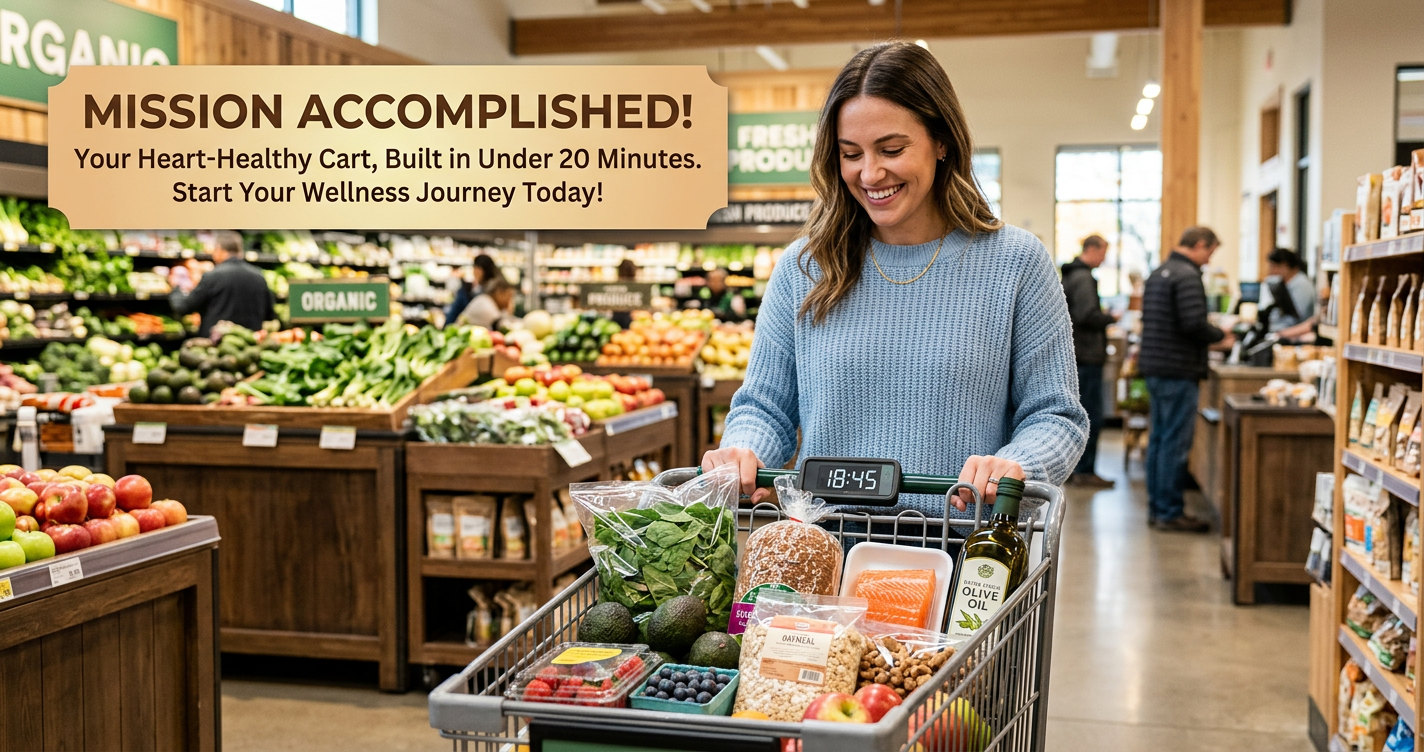
Mastering the Perimeter: The Strategic Route to Heart Health
In the modern world, the grocery store can feel like a nutritional minefield. Rows of colorful packaging, clever marketing claims, and the enticing scent of the bakery can easily derail even the most disciplined shopper. However, protecting your cardiovascular health doesn’t require hours of label-reading or a degree in nutrition. By mastering the art of the 20-minute grocery run, you can fill your cart with life-extending foods while avoiding the processed pitfalls that contribute to inflammation and high blood pressure.
The Power of the Perimeter
The golden rule of heart-healthy shopping is to spend 90% of your time on the perimeter of the store. This is where the "live" foods reside—produce, fresh proteins, and refrigerated essentials. These foods are generally closer to their natural state, meaning they are higher in fiber and lower in the added sodium and preservatives found in the center aisles. When you walk through the automatic doors, turn toward the produce section first. This ensures your cart is physically occupied by high-volume, low-calorie vegetables before you reach the more calorie-dense sections.
Seasonal Produce: Nature’s Multivitamin
To speed up your shopping, don't overthink your vegetable choices. Aim for a "rainbow" approach. Different colors in plants represent different phytonutrients. For example, red tomatoes contain lycopene, which is linked to lower stroke risk, while dark leafy greens like kale and spinach are loaded with Vitamin K and nitrates that help dilate blood arteries and lower blood pressure. To keep your trip under 20 minutes, pick three "staple" vegetables (like broccoli, peppers, and onions) and two seasonal "treat" items (like berries or stone fruits). Pre-washed bagged salads and pre-cut florets are excellent time-savers that maintain their nutritional integrity.
Protein Selection for Longevity
Moving from produce to the butcher and fish counter, focus on lean options. Fatty fish like salmon, mackerel, and sardines are the champions of heart health because they are rich in Omega-3 fatty acids. These essential fats reduce triglycerides and slow the buildup of plaque in the arteries. If you prefer meat, look for "loin" or "round" cuts, which are leaner. However, don't overlook plant-based proteins. Tofu, tempeh, and lentils are cholesterol-free and packed with fiber, making them elite choices for heart maintenance. Grab two types of protein for the week—one fish and one lean poultry or plant-based option—to keep your decision-making fast and efficient.
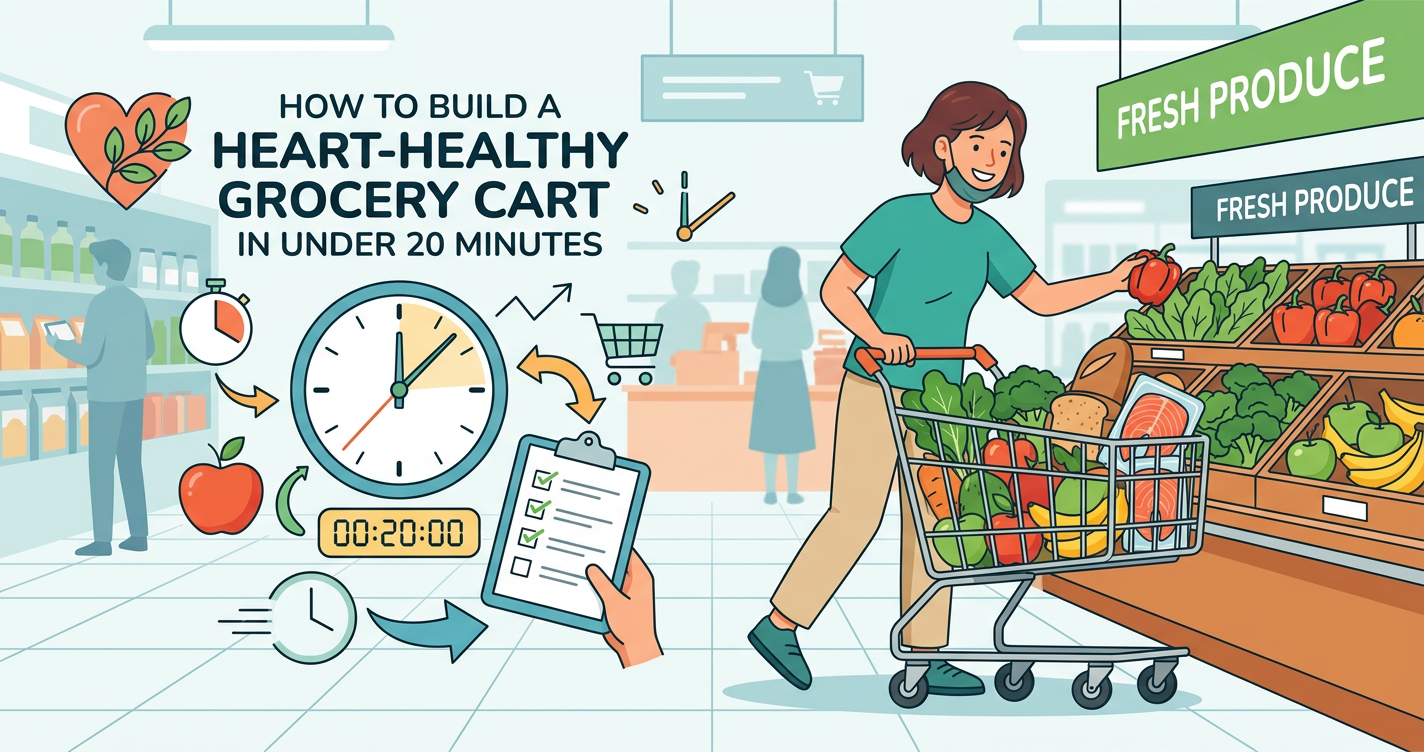
Navigating the Aisle Traps: Choosing Quality Over Convenience
While the perimeter is your safe zone, the interior aisles are necessary for staples like grains, legumes, and oils. The key to navigating these aisles in record time is knowing exactly what to look for and ignoring the middle-shelf distractions. The "eye-level" products are often the most processed and profitable for the store, so remember to look at the top and bottom shelves for better value and healthier ingredients.
Whole Grains vs. Refined Carbs
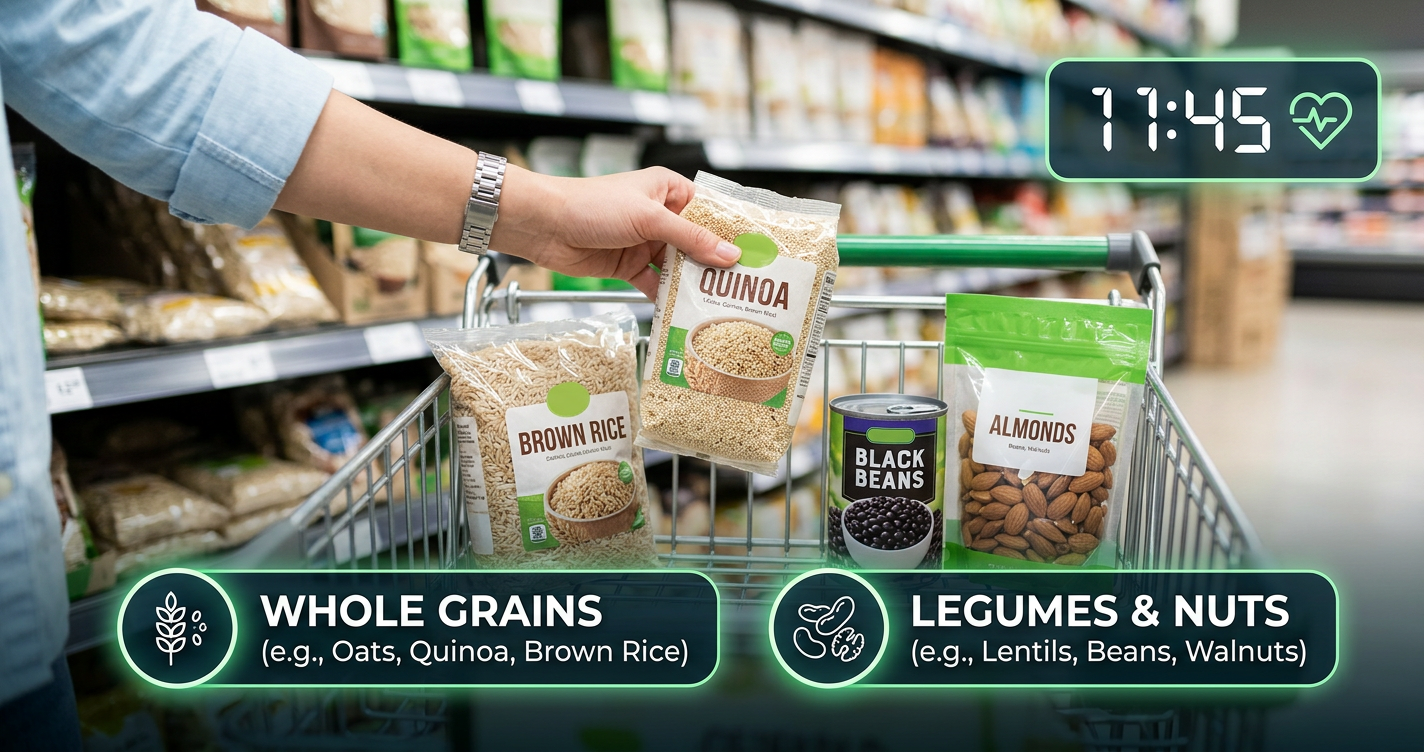
The grain aisle is where many shoppers make mistakes. White bread, sugary cereals, and instant white rice are stripped of their bran and germ, leaving you with simple sugars that can spike insulin and contribute to arterial inflammation. To support your heart, your goal is fiber. Soluble fiber, specifically, acts like a sponge in your digestive tract, soaking up cholesterol and carrying it out of the body. Look for products that list "100% Whole Wheat" or "Whole Grain" as the first ingredient. Quick-cooking oats, quinoa, and brown rice are versatile foundations for any meal and can be grabbed in seconds.
The "Healthy Fat" Fast Track
Not all fats are created equal, and the oil aisle is where you make critical choices for your cholesterol levels. Monounsaturated fats are the cornerstone of the heart-healthy Mediterranean diet. Extra virgin olive oil (EVOO) should be your primary cooking and dressing oil due to its high polyphenol content. When shopping for oils, avoid "vegetable oil" blends or products containing partially hydrogenated oils (trans fats), which are notorious for raising LDL (bad) cholesterol and lowering HDL (good) cholesterol. Grab a bottle of EVOO and a jar of raw nuts or seeds—walnuts and flaxseeds are particularly beneficial for heart rhythm—and move on.
Decoding the Canned Goods
Canned goods are the ultimate time-savers, but they can be sodium bombs. To keep your shopping trip under the 20-minute mark, look for specific keywords: "No Salt Added" or "Low Sodium." Canned beans (black, chickpeas, kidney) are nutritional powerhouses that provide protein and fiber for pennies. If you can’t find low-sodium versions, a quick hack is to rinse the beans under cold water for 60 seconds at home; this can remove up to 40% of the sodium. Stock up on canned tomatoes, beans, and wild-caught tuna or sardines to ensure you always have the components of a heart-healthy meal in your pantry.
The Final Sprint: Dairy, Frozen, and the Checkout
As you round the corner toward the end of your trip, the dairy and frozen sections offer opportunities to round out your nutrition without adding much time to your clock. This is also the phase where impulse buys are most likely to happen, so staying focused on your list is paramount to finishing under 20 minutes.
Smart Dairy and Alternatives
In the dairy case, the focus should be on fermented products and low-fat options. Plain Greek yogurt is a heart-healthy superstar; it provides probiotics that support gut health (which is increasingly linked to heart health) and high protein levels. Avoid the flavored versions, which often contain as much sugar as a candy bar. Instead, grab the plain tub and add your own fruit at home. If you prefer milk alternatives, choose unsweetened almond, soy, or oat milk fortified with calcium and Vitamin D. These choices minimize saturated fat intake, which is essential for maintaining clear arteries.
Frozen Assets: Better Than Fresh?
Many people assume fresh is always better, but the frozen aisle is a secret weapon for heart health. Vegetables and fruits destined for the freezer are typically picked at peak ripeness and flash-frozen, locking in their vitamins and minerals. For a fast shopper, frozen vegetables are a godsend because they require no washing or chopping. Stock up on frozen berries for your morning oats and bags of mixed vegetables for easy stir-fries. Just be sure to check the ingredient list to ensure there are no added sauces, salt, or sugars. A bag of frozen spinach can be tossed into almost any hot dish to instantly boost its nutritional profile.
The Checkout Strategy
The last few minutes of your trip are the most dangerous. Checkout lines are strategically designed with "impulse" items like candy bars and sugary sodas. To protect your heart and your timeline, use this time to do a quick visual audit of your cart. Do you see plenty of greens? Is there a source of healthy fat? Are there whole grains? If you’ve followed the perimeter strategy, your cart should be a vibrant mix of colors. By using self-checkout or choosing a line with fewer carts, you can finalize your mission. Shopping with a focused plan not only saves time but prevents the decision fatigue that leads to poor dietary choices. With your heart-healthy haul in hand, you are now equipped to fuel your body for longevity and vitality.
Prioritize Produce: Fill half your cart with colorful fruits and vegetables.
Seek Soluble Fiber: Choose oats, beans, and lentils to lower cholesterol.
Choose Healthy Fats: Opt for olive oil, avocados, and fatty fish.
Watch the Sodium: Read labels on canned and packaged goods carefully.
Stay Efficient: Stick to your list and shop the perimeter first.