Separating Fact from Fiction: Rethinking the Physical Decline
We’ve all heard the stereotypes about getting older. You know the ones: the inevitable creaky knees, the slow shuffle, and the idea that once you hit sixty, your body basically becomes a museum of "used-to-bes." We often talk about aging as if it’s a slow-motion car crash that we just have to endure. But here’s the thing—science is showing us that much of what we consider "normal aging" is actually a result of sedentary lifestyles and poor habits rather than the passage of time itself. It’s time to bust the myth that physical decline is a mandatory part of the package.
The Myth of the "Old" Metabolism
One of the biggest excuses we use for mid-life weight gain is the "slowing metabolism." While it’s true that your basal metabolic rate does shift, a groundbreaking study published in the journal Science recently revealed that our metabolism actually stays remarkably stable from age 20 all the way to age 60. The decline we feel in our thirties and forties isn't usually biology—it's lifestyle. We sit more, we stress more, and we move less. Healthy aging starts with reclaiming the idea that your body is still a high-performance machine; it just needs the right fuel and maintenance.
Muscle Loss isn't Inevitable
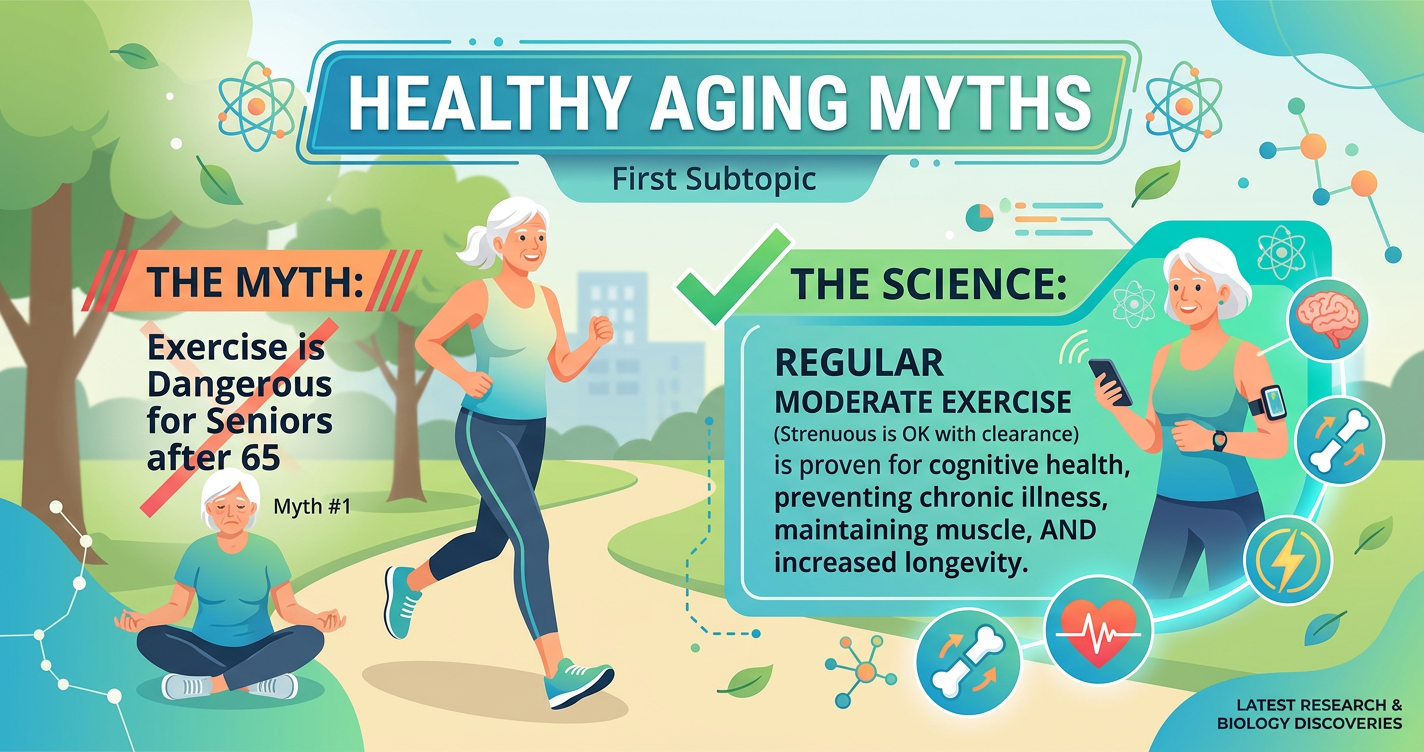
There’s a medical term called sarcopenia, which is the age-related loss of muscle mass. Many people think that once you hit a certain age, your muscles just decide to retire. However, resistance training is the ultimate fountain of youth. Science shows that individuals in their 70s and 80s can still build significant muscle mass through strength training. This isn't just about looking good in a tank top; muscle mass is a metabolic organ. It regulates blood sugar, supports bone density, and keeps your balance sharp to prevent falls. If you want to stay "young," stop thinking about cardio as the only way to exercise and start picking up some heavy things.
The Bone Density Myth
Another common fear is that bones naturally become brittle like glass. While bone density does decrease, particularly in post-menopausal women, it is not a "done deal." Weight-bearing exercises and proper nutrition (specifically Vitamin D3 and K2, not just calcium) can actually maintain and even improve bone mineral density well into the golden years. The body is incredibly adaptive. When you put stress on a bone through exercise, it responds by getting stronger. Aging doesn't mean you should wrap yourself in bubble wrap; it means you should give your skeleton a reason to stay strong.
The "Taking it Easy" Trap
We often tell our elders to "sit down" or "don't overdo it." Science actually suggests the opposite. The "use it or lose it" principle is biologically sound. When we stop challenging our physical limits, our bodies begin to prune away the systems that aren't being used. Micro-stressors—like short bursts of intense exercise or cold exposure—actually trigger cellular repair mechanisms through a process called hormesis. Essentially, what doesn't kill you actually makes your cells younger. So, instead of taking it easy, we should be looking for safe ways to keep pushing our physical boundaries.
The Cognitive Comeback: Your Brain Isn’t a Ticking Time Bomb
The fear of "losing one's mind" is perhaps the greatest anxiety associated with aging. We’ve been conditioned to believe that brain cells die off every day and that our cognitive peak is somewhere in our early twenties. While it’s true that some processing speeds might slow down, the narrative of inevitable cognitive decline is largely fueled by outdated science. The human brain is far more resilient and adaptable than we ever gave it credit for.
Neuroplasticity: The Gift That Keeps on Giving
For decades, scientists believed that the brain was "fixed" after childhood. We now know this is completely false. Neuroplasticity—the brain's ability to form new neural connections—continues throughout our entire lives. You can literally rewire your brain at 80 just as you did at 18. This happens when we engage in "effortful learning." Learning a new language, taking up a complex musical instrument, or even navigating a new city keeps the brain's "wiring" flexible. The myth that you can't teach an old dog new tricks is not just an insult; it’s scientifically inaccurate.
The Wisdom Dividend: Crystalized Intelligence
Psychologists distinguish between two types of intelligence: fluid and crystallized. Fluid intelligence is the ability to solve new problems and think abstractly, which does peak early. However, crystallized intelligence—the accumulation of knowledge, experience, and vocabulary—actually increases as we age. Older adults are often better at pattern recognition, social negotiation, and holistic thinking. This is why many of the world's most complex problems are solved by people with decades of experience. Your brain isn't getting worse; it’s getting more specialized.
Dementia is Not a Normal Part of Aging
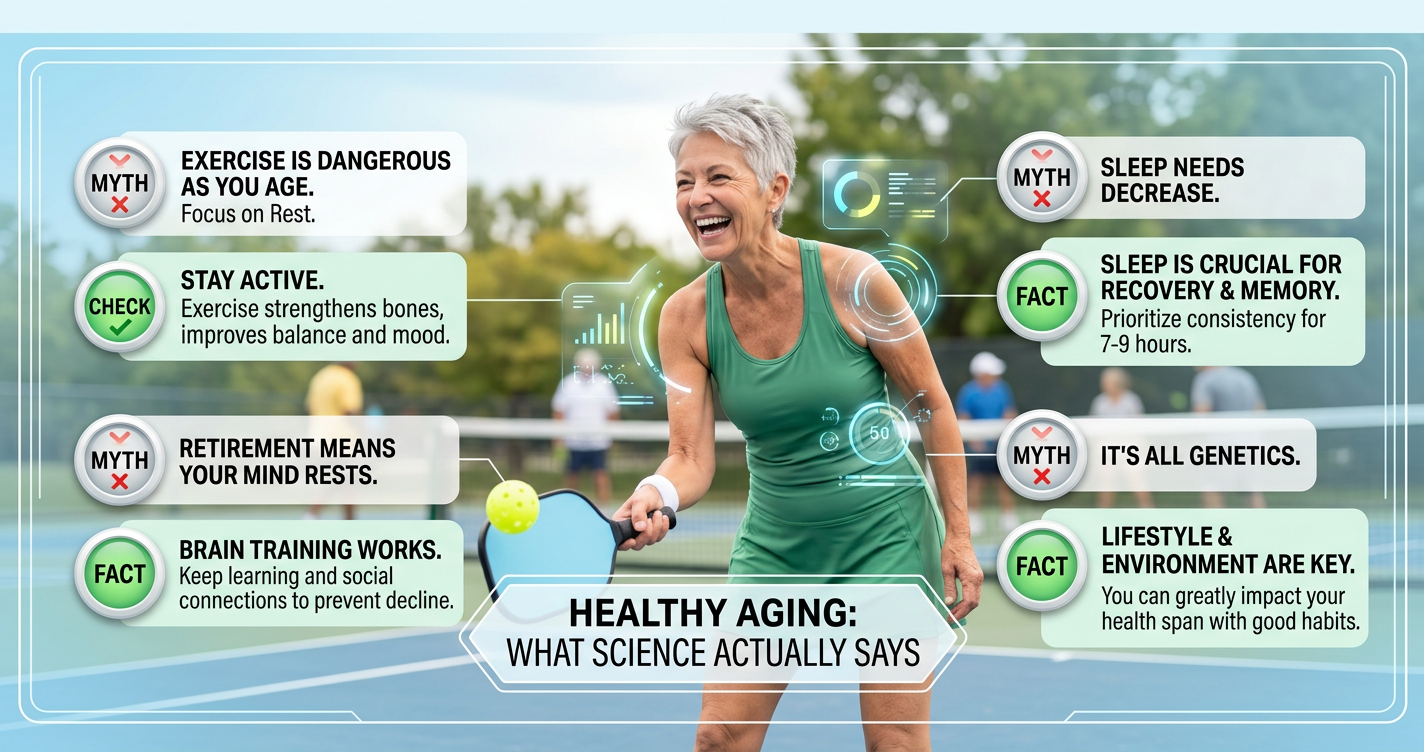
This is perhaps the most important myth to debunk. While the risk of Alzheimer’s increases with age, it is a disease process, not a natural stage of human development. Lifestyle factors play a massive role in prevention. Research suggests that up to 40% of dementia cases could be delayed or prevented through lifestyle changes. Managing blood pressure, staying socially connected, and protecting your hearing are all critical. Yes, you read that right—hearing loss is one of the biggest modifiable risk factors for cognitive decline because it leads to social isolation and reduced brain stimulation.
The Power of Purpose
Science has consistently shown that having a "reason to get out of bed" is one of the best predictors of cognitive health. Whether it’s volunteering, caring for grandkids, or pursuing a hobby, a sense of purpose lowers levels of cortisol and reduces inflammation in the brain. People with a strong sense of purpose have been found to have a lower risk of developing the plaques and tangles associated with Alzheimer’s. Your mindset about your role in the world is quite literally medicine for your neurons.
Social and Emotional Health: The Secret Sauce of Longevity
When we talk about "healthy aging," we usually focus on vitamins and gym routines. But if you look at the "Blue Zones"—the areas of the world where people live the longest—the common denominator isn't a specific superfood or a treadmill. It’s the community. Humans are social animals, and as we age, our social ecosystem becomes the single most important factor in our longevity and happiness. The myth that aging is a solitary process of withdrawal is perhaps the most damaging one of all.
The Vitamin "C" (Community)
Loneliness is more than just a feeling; it’s a biological stressor. Researchers have found that chronic loneliness is as damaging to your health as smoking 15 cigarettes a day. It spikes inflammation and weakens the immune system. Conversely, strong social ties act as a buffer against the stresses of life. It’s not about having 5,000 friends on Facebook; it’s about having a few people you can call at 2:00 AM. Investing in your relationships in your 40s and 50s is just as important as investing in your 401(k).
The Evolutionary Advantage of Grandparenting
There is a fascinating theory in biology called the "Grandmother Hypothesis." It suggests that humans live long past their reproductive years specifically so they can help the next generation survive. This intergenerational connection is a two-way street. Older adults who interact regularly with younger generations stay more mentally sharp and feel a greater sense of relevance. For the younger generation, they gain wisdom and stability. This myth that "the old" and "the young" have nothing in common is a modern invention that hurts both groups.
Positive Age Beliefs
Believe it or not, your attitude toward aging can actually dictate how long you live. A famous study by Dr. Becca Levy at Yale University found that individuals with a positive perception of aging lived an average of 7.5 years longer than those with negative perceptions. Why? Because if you believe that aging is a time of growth and vitality, you are more likely to take care of yourself, stay active, and seek medical care when needed. If you believe aging is a inevitable "downhill slide," you’re more likely to give up. Your internal dialogue is a self-fulfilling prophecy.
Rethinking Retirement
The traditional idea of retirement—moving to a beach and doing absolutely nothing—is actually a health nightmare for many. Rapid decline often follows the loss of structure and social interaction that work provides. Modern healthy aging science suggests we should think of "rewirement" instead of retirement. This means staying engaged in meaningful work, whether paid or unpaid. The goal isn't to stop contributing to society but to contribute in a way that matches your pace and passions. Transitioning to a new "act" rather than a "final act" keeps the heart and mind resilient.
The Conclusion: Aging as an Ascent
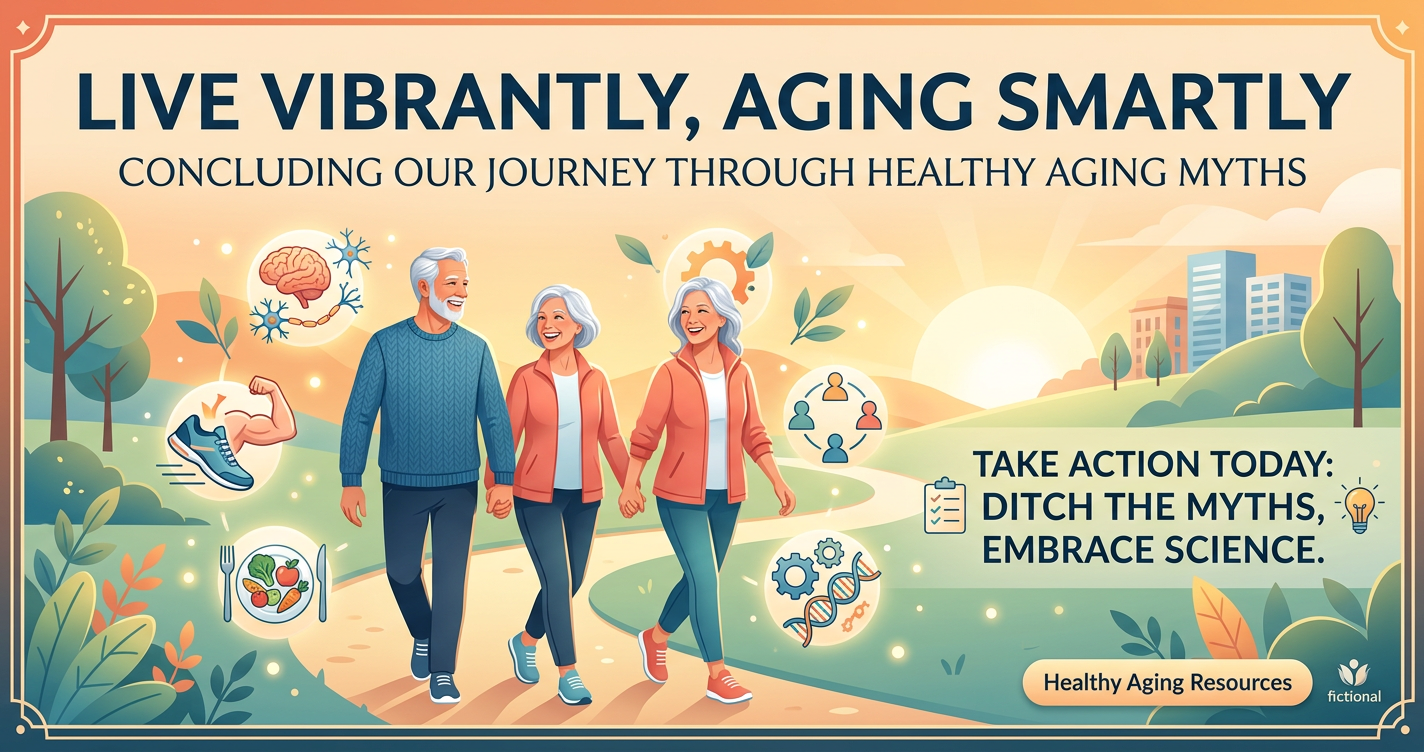
At the end of the day, we need to stop viewing aging as a process of loss and start seeing it as a process of accumulation. We accumulate experiences, wisdom, and resilience. Science tells us that our bodies and brains are designed to function well into our later years if we provide the right environment. By busting these myths and embracing a proactive, positive, and social lifestyle, we don't just add years to our life—we add life to our years. So, take that hike, learn that yeni language, and stay connected. The best version of you isn't in the past; it’s currently under construction.