The Science of Hydration: Why Your Body Needs Water More Than Ever in Summer
As the mercury rises and the days grow longer, our bodies undergo significant physiological shifts to maintain a stable internal temperature. Understanding why hydration is critical begins with recognizing the role of water as the body's primary coolant. When you are exposed to high temperatures, your hypothalamus—the brain's thermostat—signals your sweat glands to release moisture. As this sweat evaporates from your skin, it carrys heat away, cooling you down. However, this process requires a constant supply of fluid. Without adequate hydration, your blood volume drops, making your heart work harder to pump blood to your muscles and skin, which can lead to rapid fatigue and heat-related illnesses.
Water is not just a thirst-quencher; it is a fundamental building block of every cell in your body. It acts as a shock absorber for the brain and spinal cord, lubricates joints to prevent aches during summer activities, and is essential for the digestion and absorption of nutrients. In warmer weather, the risk of dehydration becomes a silent threat. Even mild dehydration—defined as a loss of just 1% to 2% of body weight in fluids—can impair cognitive function, leading to decreased concentration, memory lapses, and irritability. This is often why people feel "brain fog" or mid-afternoon slumps during a heatwave.
Recognizing the Early Warning Signs of Dehydration
Most people wait until they feel thirsty to reach for a glass of water, but thirst is actually a lagging indicator. By the time your brain signals thirst, you are likely already slightly dehydrated. To stay ahead of the curve, it is important to monitor other physical cues. Some of the most common early signs include:
Dark-colored urine: Ideally, your urine should be the color of pale straw or lemonade. Dark amber indicates your kidneys are conserving water.
Dry mouth and sticky saliva: A lack of moisture in the oral cavity is a clear sign that fluid levels are low.
Unexplained fatigue: If you feel unusually tired despite getting enough sleep, your body may be struggling with low blood volume.
Dizziness or lightheadedness: This often occurs when blood pressure drops due to fluid loss, especially when standing up quickly.
Headaches: Dehydration causes brain tissue to lose water, which can lead to the brain pulling away from the skull, triggering a pain response.
Creative and Effective Ways to Boost Your Daily Fluid Intake
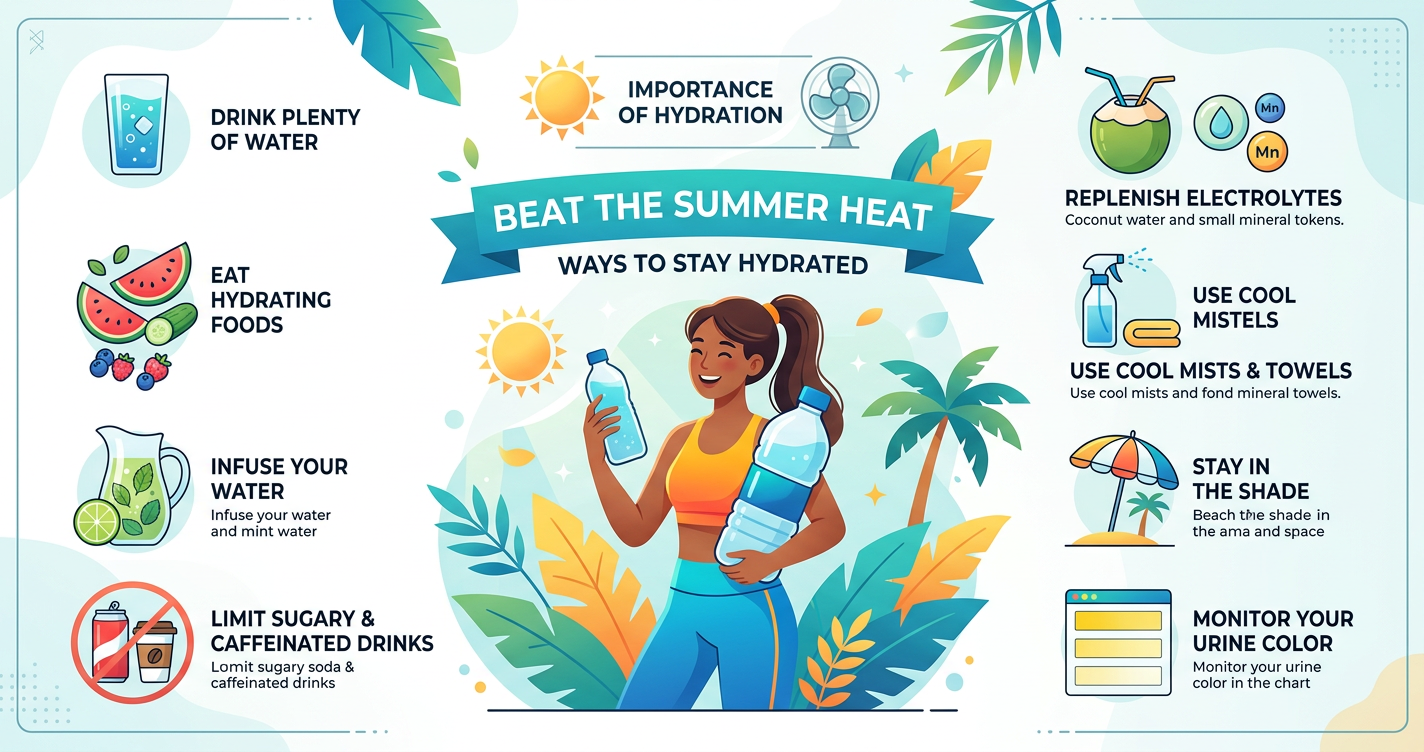
Staying hydrated doesn't have to mean sipping plain lukewarm water all day long. For many, the monotony of plain water is the biggest barrier to meeting their daily goals. The modern approach to hydration involves variety, flavor, and strategic scheduling. To beat the summer heat effectively, you should aim to integrate hydration into your lifestyle so that it becomes second nature rather than a chore.
One of the most effective methods is "flavor stacking." By adding natural flavor enhancers to your water, you make the experience more enjoyable. Consider keeping a large pitcher in the refrigerator filled with sliced cucumbers, fresh mint leaves, or frozen berries. These additions provide a subtle infusion of flavor without the added sugars found in sodas or commercial sports drinks. Additionally, utilizing temperature can make a difference. Some people find it easier to drink large amounts of room-temperature water, while others find ice-cold water more refreshing. Find what works for your palate and stick to it.
Hydration Beyond the Glass: Water-Rich Foods
It is a common misconception that all your hydration must come from liquids. In fact, approximately 20% of our daily water intake comes from the foods we eat. During the summer, nature provides an abundance of produce that is naturally high in water content. Incorporating these into your meals can significantly contribute to your hydration status:
Watermelon: At 92% water, it is one of the most hydrating fruits available and contains lycopene, which helps protect skin from sun damage.
Cucumbers: Composed of about 95% water, they are low in calories and high in vitamin K.
Strawberries and Cantaloupe: These fruits are nearly 90% water and provide essential vitamins and antioxidants.
Leafy Greens: Lettuce and spinach are surprisingly high in water content and can serve as a hydrating base for summer salads.
Zucchini: This versatile vegetable is about 94% water and can be eaten raw or lightly grilled.
By snacking on these items throughout the day, you provide your body with a slow and steady stream of fluids and electrolytes, which can be more effective for long-term hydration than chugging a liter of water all at once.
Strategic Hydration Habits for Active Summer Lifestyles
If you are someone who enjoys outdoor sports, hiking, or even gardening during the summer months, your hydration needs increase exponentially. When you exercise in the heat, your sweat rate can exceed 1.5 liters per hour. Replacing this fluid loss requires a proactive strategy that begins before you even step outside. This is known as "pre-hydration." Aim to drink 16 to 20 ounces of water two hours before physical activity to ensure your cells are saturated and ready for the thermal stress ahead.
During activity, the goal is to maintain balance. Small, frequent sips are better than large gulps, as the stomach can only empty a certain amount of liquid at a time. If you are exercising for more than 60 minutes, plain water may not be enough. This is where electrolytes come into play. Electrolytes—including sodium, potassium, and magnesium—are minerals that carry an electric charge and are vital for muscle contraction and nerve signaling. When you sweat, you lose these minerals. Replacing them helps prevent muscle cramps and ensures that the water you drink is actually absorbed into your cells rather than just passing through your system.
Proactive Tips for Staying Cool and Hydrated All Day
Beyond drinking and eating, your environment and habits play a role in how your body manages fluids. To minimize water loss and maximize comfort, consider the following lifestyle adjustments:
Wear breathable fabrics: Choose lightweight, light-colored, and loose-fitting clothing made of natural fibers like cotton or linen. These materials allow air to circulate and sweat to evaporate more efficiently.
Schedule outdoor time wisely: The sun is at its strongest between 10:00 AM and 4:00 PM. Plan your errands or workouts for the early morning or late evening when the air is cooler.
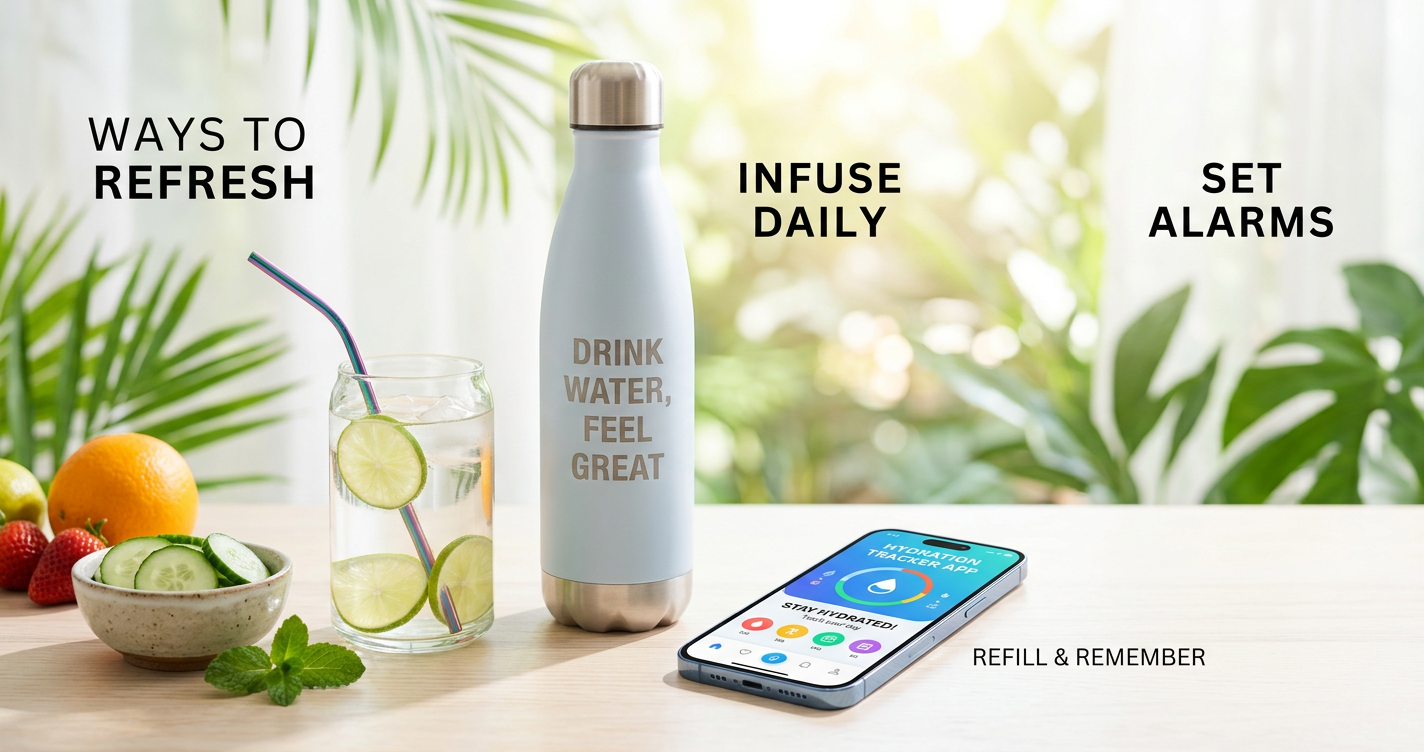
Use technology to your advantage: There are numerous smartphone apps and smart water bottles that send reminders to your phone to drink water. Setting a simple alarm every hour can also be a game-changer.
Limit dehydrating substances: Alcohol and excessive caffeine act as diuretics, which encourage the kidneys to release more water. If you do indulge in a summer cocktail or an extra iced coffee, be sure to match it with an equal amount of water.
The "One-In, One-Out" Rule: For every cup of coffee or alcoholic beverage you consume, drink one full glass of water immediately afterward to mitigate the dehydrating effects.
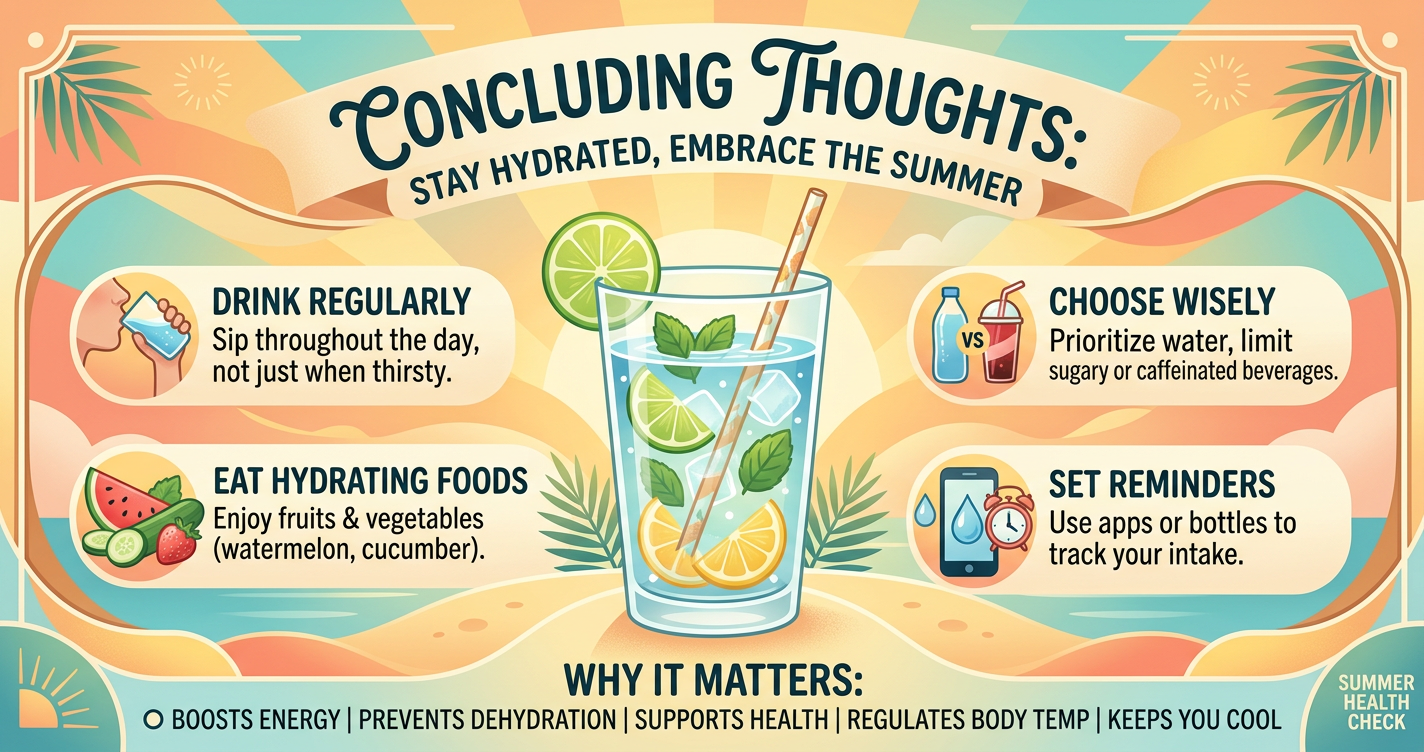
In conclusion, beating the summer heat is a multi-faceted endeavor that requires mindfulness and preparation. By understanding the critical role water plays in your physiology, diversifying your fluid sources through hydrating foods, and adopting smart habits for physical activity, you can enjoy the sun safely. Remember: hydration is not a one-time event, but a continuous cycle of replenishment that keeps your body performing at its peak all summer long.