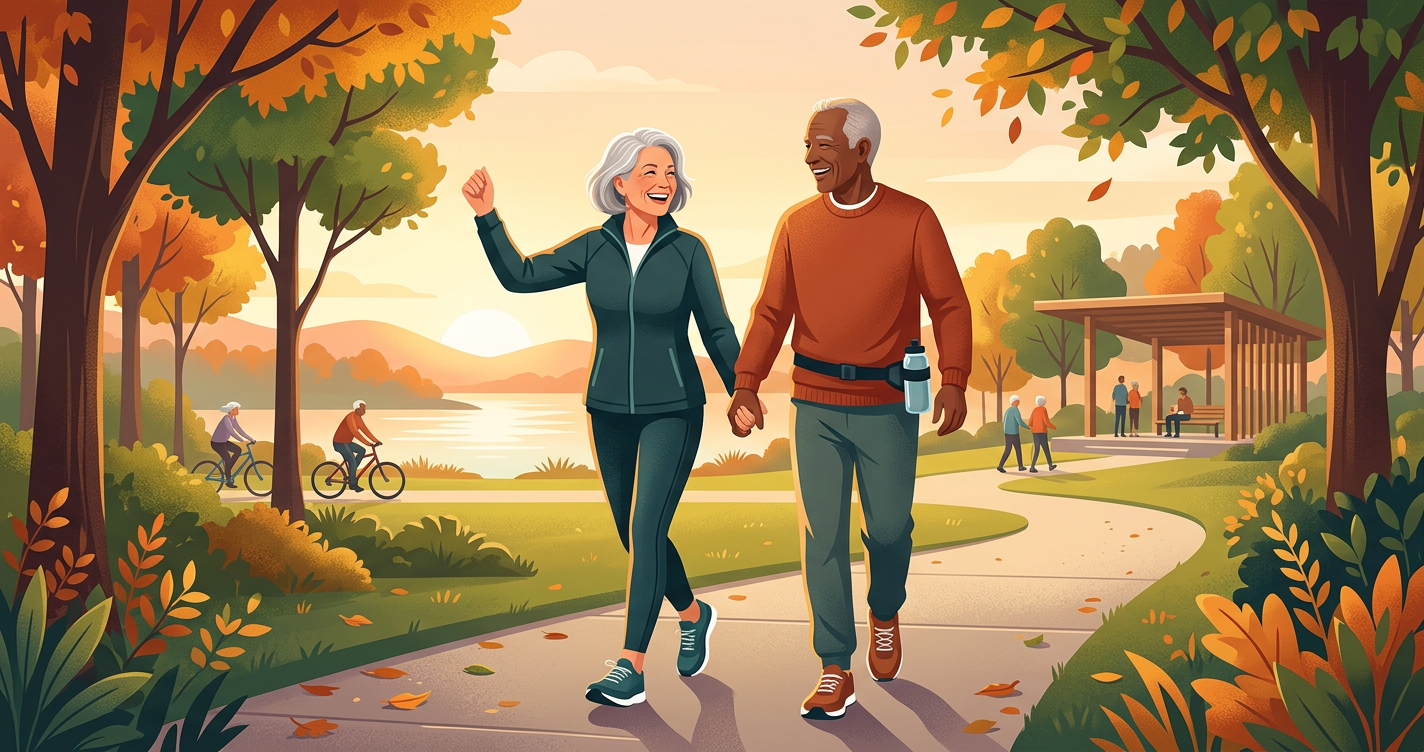
The Foundation of Longevity: Adapting Your Physical Activity
Maintaining an active lifestyle as we age is not just about staying fit; it is about preserving independence, cognitive function, and emotional well-being. As the body naturally undergoes physiological changes—such as a decrease in bone density and muscle mass (sarcopenia)—the approach to exercise must evolve. The goal shifts from high-intensity performance to functional fitness and sustainable movement patterns that support daily life.
To build a solid foundation, one must prioritize cardiovascular health. Aerobic exercise strengthens the heart and lungs, reducing the risk of chronic conditions like hypertension and type 2 diabetes. However, high-impact activities like running can sometimes be taxing on aging joints. This is where low-impact alternatives become invaluable. Consider the following activities to keep your heart healthy without excessive strain:
Swimming and Water Aerobics: The buoyancy of water supports your weight, easing the pressure on your hips and knees while providing excellent resistance for muscle toning.
Power Walking: A brisk walk is one of the most accessible forms of exercise. It maintains joint mobility and can be easily socialized.
Cycling: Whether on a stationary bike or a scenic path, cycling builds lower-body strength and improves cardiovascular endurance with minimal impact.
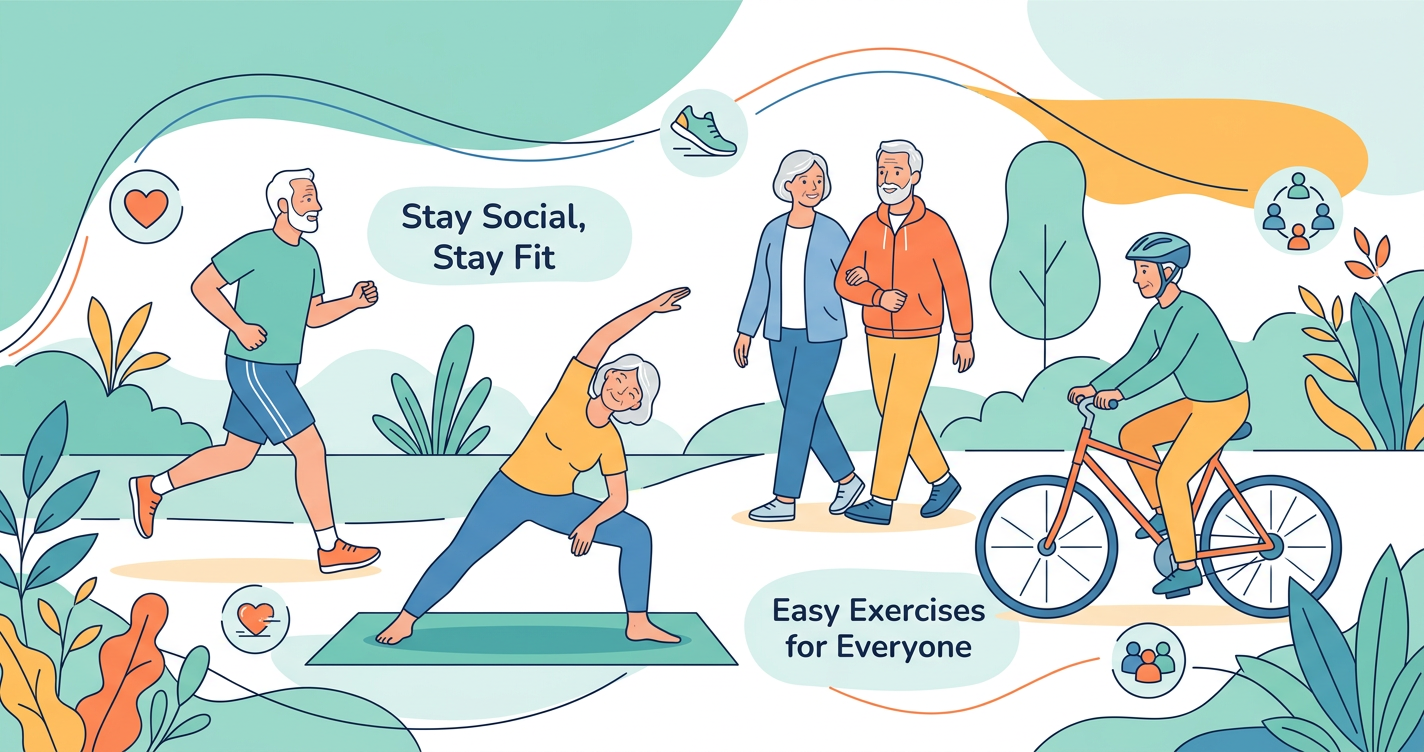
Beyond cardio, flexibility and balance are the unsung heroes of aging gracefully. Falls are a leading cause of injury in older adults, often resulting from a decline in proprioception (the body's ability to sense its position in space). Incorporating practices like Yoga or Tai Chi can significantly improve balance. These disciplines focus on controlled movements and core stability, which are essential for navigating uneven surfaces and preventing stumbles in everyday environments. Furthermore, gentle stretching keeps the fascia and muscles supple, preventing the stiffness that often limits a person's range of motion as they reach their sixties and beyond.
Strength and Resistance: Safeguarding Bone and Muscle Health
One of the most common misconceptions about aging is that weightlifting is "only for the young." In reality, resistance training is perhaps the most critical component of an active lifestyle for older adults. Science has consistently shown that the body remains capable of building muscle well into its eighties and nineties. Resistance training does more than just build muscle; it creates the mechanical stress necessary to stimulate bone mineral density, effectively "armor-plating" the skeleton against osteoporosis.
Integrating strength training doesn't require a commercial gym membership or heavy barbells. It can be started at home using bodyweight exercises or resistance bands. The focus should be on functional movements—actions that mimic what you do throughout the day. For example:
Squats: These mimic the action of sitting down and standing up from a chair, strengthening the quads and glutes.
Push-ups (Wall or Countertop): These maintain upper body strength and bone density in the wrists and shoulders.
Lunge Variations: These improve single-leg stability and hip flexibility.
It is important to remember the "progressive overload" principle. To continue seeing benefits, you must slowly increase the difficulty of your workouts. This might mean adding a few more repetitions, using a slightly heavier band, or slowing down the movement to increase time under tension. Consistency is key. Two to three sessions of full-body resistance training per week can lead to transformative results, significantly improving your metabolic rate and making everyday tasks—like carrying groceries or playing with grandchildren—feel effortless.
Recovery and Nutrition: The Silent Partners of Activity
As we age, the body takes longer to recover from physical exertion. Overtraining can lead to burnout or injury, which is why rest days are just as important as the workout days themselves. Listen to your body’s signals; if you feel persistent joint pain rather than typical muscle soreness, it may be time to dial back the intensity. Nutritional support is equally vital. Increasing protein intake is often necessary for older adults to combat muscle wasting, while ensuring adequate Vitamin D and Calcium intake supports the structural integrity of your bones.
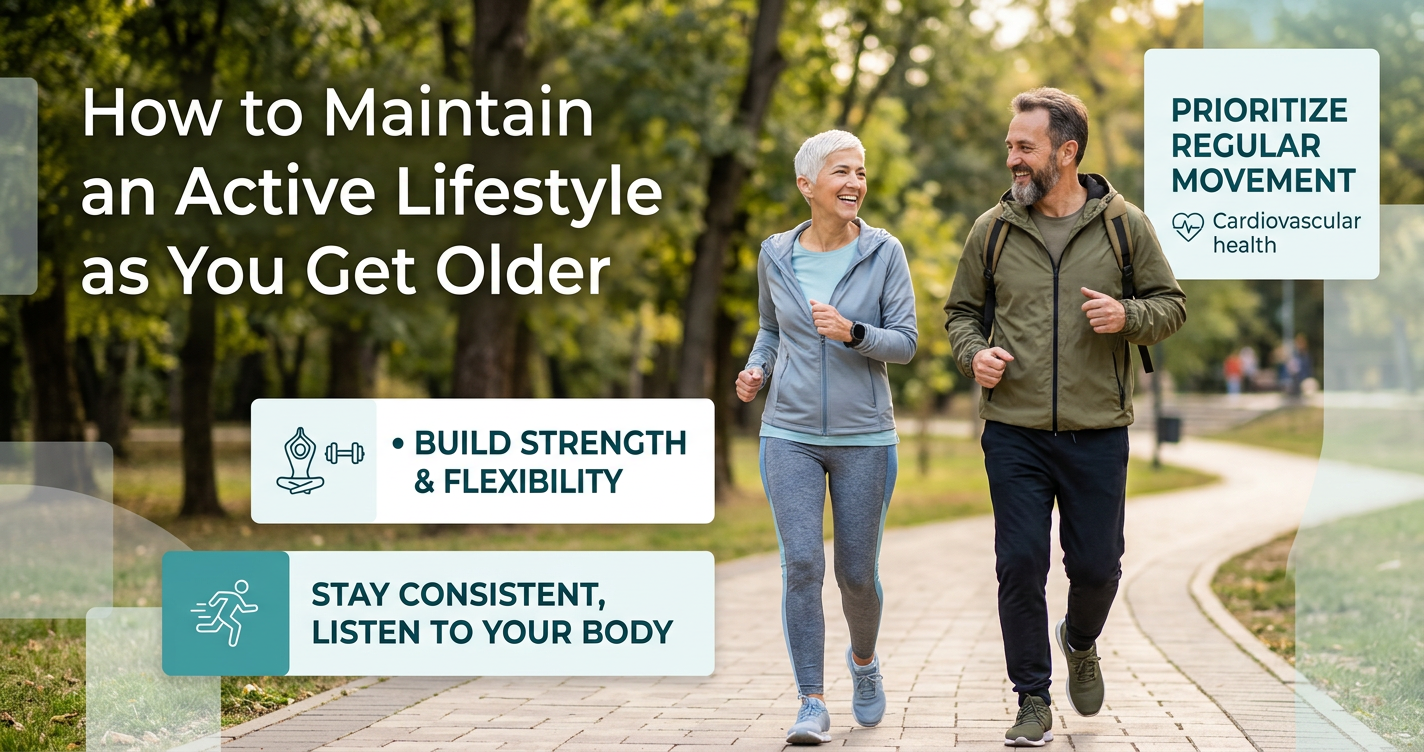
The Psychological Switch: Motivation and Community
Physical ability is only half the battle; the other half is the mental fortitude to stay consistent. As we get older, our social circles may change, and the intrinsic motivation to "look good" often transitions into a desire to "feel good." Adopting a mindset of "Movement as Medicine" can help reframe exercise from a chore into a rewarding daily habit. When you view your morning walk or your weekly yoga class as a tool for longevity, it becomes an act of self-care rather than a burden.
Community plays a massive role in maintaining an active lifestyle. Human beings are social creatures, and we are far more likely to stick to a routine if others are counting on us. Joining a local hiking group, a senior sports league, or a community center fitness class provides two essential ingredients for success: accountability and social interaction. The psychological benefits of these connections reduce feelings of isolation and depression, which are unfortunately common in the later stages of life.
Setting Realistic Goals and Tracking Progress
Another way to maintain momentum is by setting SMART goals (Specific, Measurable, Achievable, Relevant, and Time-bound). Instead of a vague goal like "getting fit," try "I will walk for 30 minutes, five days a week." Using technology, such as step counters or smartwatches, can provide satisfying visual data of your progress. Celebrating these small wins creates a positive feedback loop in the brain, making you more likely to pursue more ambitious milestones.
Finally, it is essential to cultivate variety. Boredom is a motivation killer. Periodically changing your routine—trying a new sport, exploring a different park, or switching from swimming to dancing—keeps the brain engaged and the body challenged. By combining physical variety with a strong social support system and a positive mental outlook, you can ensure that your later years are not just lived, but thrived in. Staying active isn't about reclaiming your youth; it's about optimizing your present and securing your future health.