1. The Science of the Gut-Brain Axis: How Microbiome Health Influences Mood and Cognition
For decades, the medical community viewed the digestive tract as a relatively simple system—a long tube designed to break down food, absorb nutrients, and expel waste. However, recent breakthroughs in microbiology have revealed that the gut microbiome, a complex ecosystem of trillions of bacteria, fungi, and viruses living in your intestines, functions more like a vital organ than a mere processing center. This realization has led to the discovery of the "gut-brain axis," a bidirectional communication network that connects your enteric nervous system with your central nervous system.
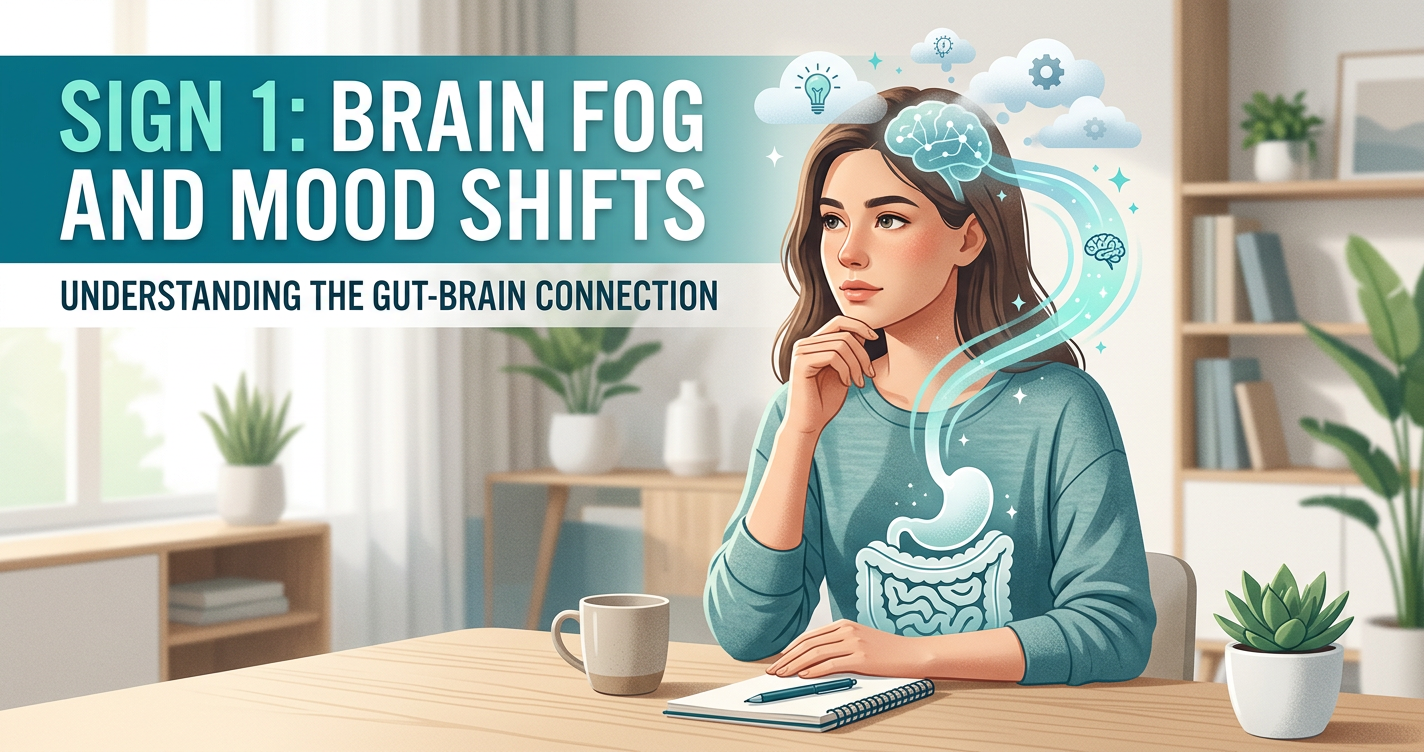
When your gut health is compromised, the signals sent to your brain can change drastically. This often manifests as "brain fog," difficulty concentrating, or even heightened feelings of anxiety and depression. Approximately 95% of your body’s serotonin, the neurotransmitter responsible for regulating mood and sleep, is produced in the gut. If the balance of "good" versus "bad" bacteria is skewed—a condition known as dysbiosis—your production of these essential chemicals can falter.
The Link Between Inflammation and Mental Clarity
Chronic inflammation originating in the gut can cross the blood-brain barrier. If you find yourself forgetting where you put your keys or struggling to find words during a presentation, your digestion might be the hidden culprit. An overgrowth of certain bacterial strains can produce toxins that enter the bloodstream, leading to systemic inflammation that affects cognitive speed and memory retention.
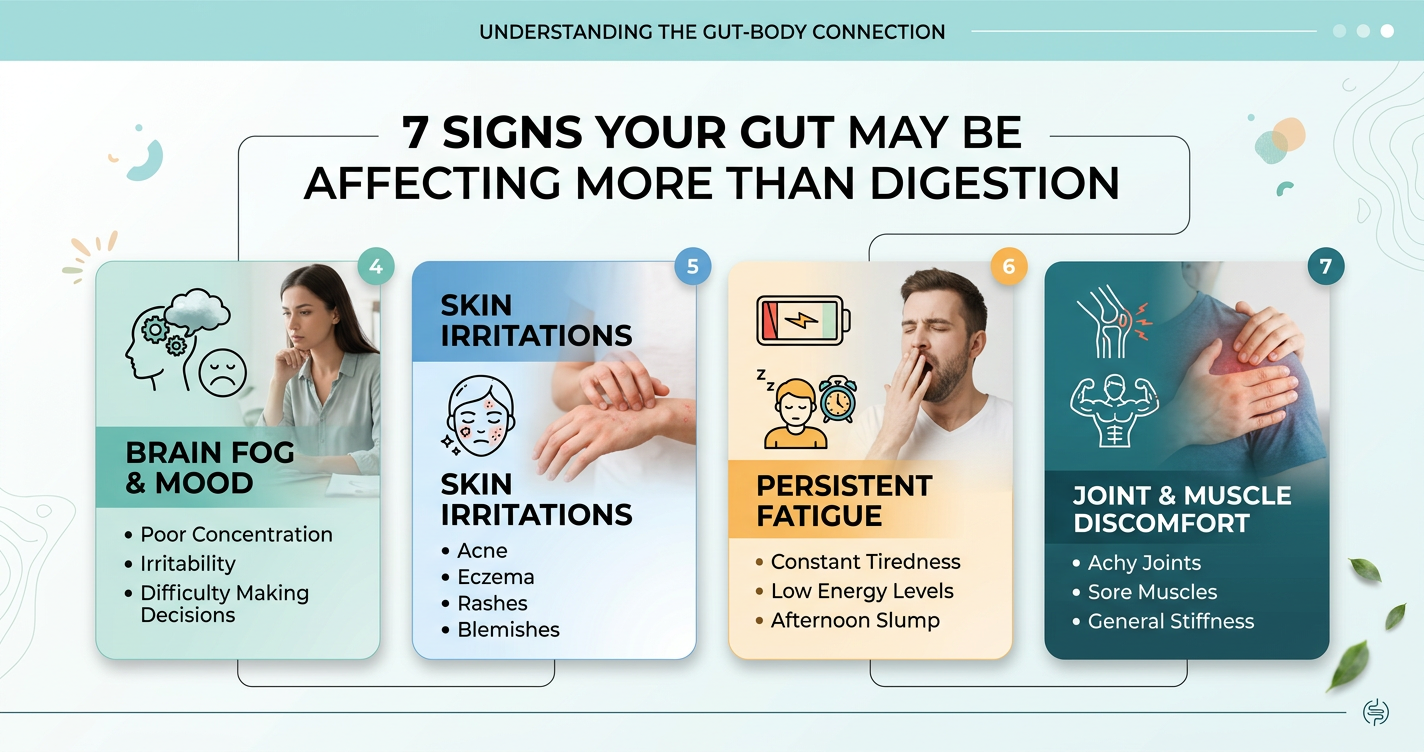
Sign 1: Persistent Brain Fog: A lack of mental clarity that doesn't resolve with caffeine or sleep.
Sign 2: Unexplained Mood Swings: Sudden irritability or low mood that seems disconnected from external life events.
The Serotonin Connection: How gut bacteria modulate the precursors to happiness and relaxation.
Understanding that your gut is your "second brain" is the first step in holistic wellness. By focusing on gut health, you aren't just improving your stomach's comfort; you are actively nourishing your cognitive resilience and emotional stability. The gut-brain axis ensures that every meal you eat has a direct impact on how you think and feel for hours afterward.
2. Beyond the Stomach: Skin Health, Immunity, and Hormonal Balance
While we often associate the gut microbiome with bloating or gas, its influence extends to the very edges of our bodies—our skin. Dermatologists are increasingly looking at the "gut-skin axis" to explain chronic conditions like acne, rosacea, and eczema. When the intestinal lining becomes overly permeable, a condition often called "leaky gut," undigested food particles and toxins can leak into the bloodstream. The body views these as foreign invaders, triggering an immune response that frequently manifests as skin inflammation.
Moreover, your gut health is the foundation of your immune system. It is estimated that 70% to 80% of your immune cells reside in your gut. These cells are constantly communicating with your microbiome to learn the difference between "friend" and "foe." If your digestion is sluggish or your microbial diversity is low, your immune system may become hyper-reactive or, conversely, too weak to fight off common pathogens.
The Role of the Estrobolome in Hormonal Regulation
One of the most fascinating subsets of the microbiome is the estrobolome—a collection of bacteria specifically tasked with metabolizing and excreting estrogen. If your gut is unhealthy, these bacteria may fail to eliminate excess estrogen, causing it to be reabsorbed into the body. This can lead to hormonal imbalances characterized by heavy periods, PMS, or even difficulty losing weight.
Sign 3: Chronic Skin Irritations: Breakouts or rashes that don't respond to topical treatments.
Sign 4: Frequent Illness: Catching every cold or flu that goes around the office.
Sign 5: Hormonal Havoc: Intense PMS symptoms or unexplained weight gain around the midsection.
By optimizing gut health, you provide your immune system with the data it needs to protect you and your skin with the nutrients it needs to glow. A balanced gut microbiome acts as a gatekeeper, ensuring that only the good stuff gets through and the waste is efficiently eliminated, preventing the systemic chaos that leads to external symptoms.
3. Energy Levels and Sleep Architecture: The Hidden Impact of Digestion
Are you constantly reaching for a third cup of coffee by 2:00 PM? While we often blame our workload or lack of sleep, the root of chronic fatigue is frequently found in the gut. The gut microbiome plays a critical role in extracting energy from the food we eat. If your digestion is inefficient, you can eat a nutrient-dense diet and still feel malnourished at a cellular level. B vitamins, for instance, are synthesized by gut bacteria; a deficiency here can lead directly to exhaustion.
Furthermore, the gut is a major player in your circadian rhythm. Certain microbes follow a daily cycle and help regulate the production of melatonin, the hormone that tells your body it’s time to sleep. If your gut is in a state of distress, your sleep architecture can become fragmented. You might find yourself waking up at 3:00 AM for no apparent reason, or waking up feeling unrefreshed despite getting eight hours of rest.
Sugar Cravings and the Microbial Tug-of-War
Perhaps the most insidious way the gut affects your daily life is through your appetite. Certain types of yeast and bacteria thrive on sugar. When these populations grow too large, they can actually manipulate your cravings by sending signals through the vagus nerve to your brain, demanding more sugar. This creates a vicious cycle of energy crashes and poor dietary choices that further degrade your gut health.
Sign 6: Intense Sugar Cravings: Feeling like you have no "willpower" when it comes to sweets.
Sign 7: Poor Sleep Quality: Difficulty falling asleep or staying asleep regardless of your evening routine.
Nutrient Malabsorption: Why "you are what you absorb" is more accurate than "you are what you eat."
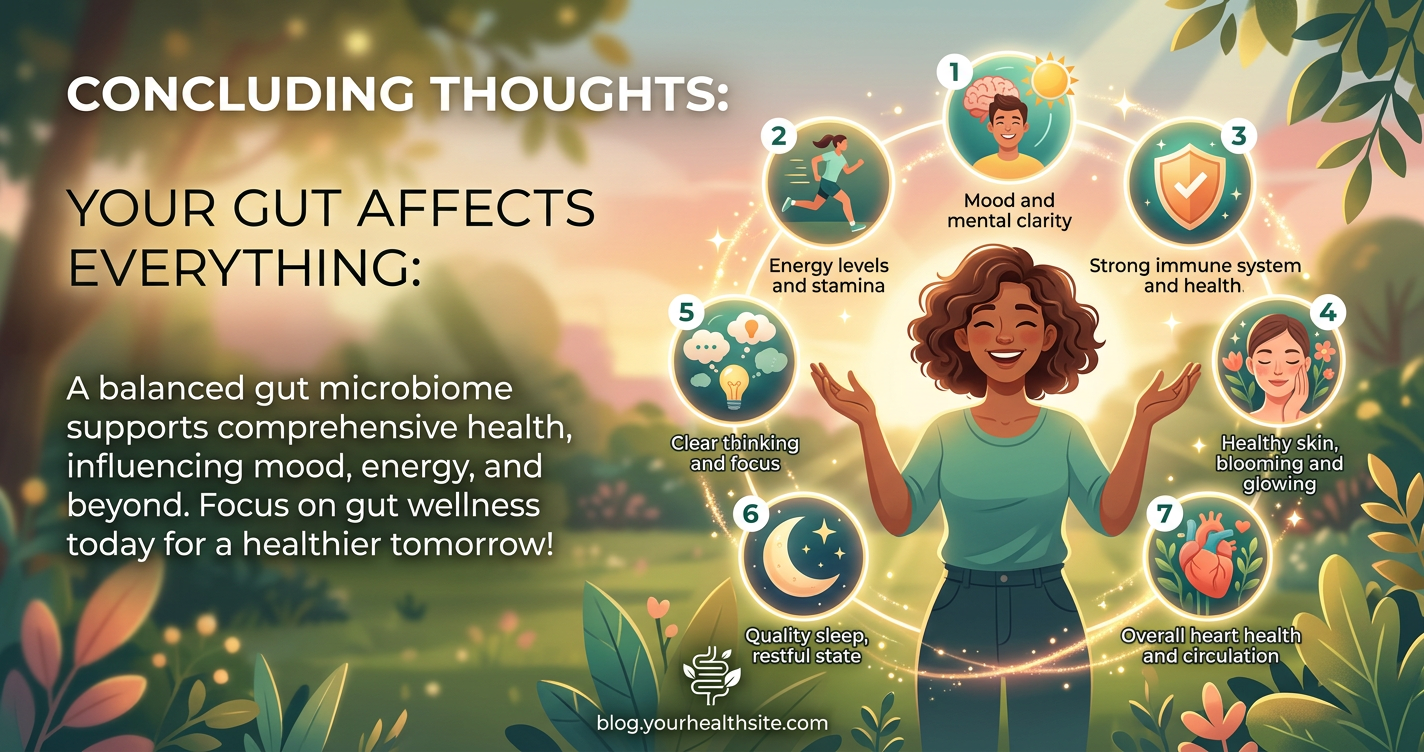
Improving your digestion is a powerful lever for boosting your natural energy. When your gut microbiome is thriving, your body becomes more efficient at burning fuel and more adept at entering deep, restorative sleep. Instead of masking fatigue with stimulants, addressing the microbial balance in your gut offers a long-term solution to vitality and health. In summary, your gut is the epicenter of your well-being, influencing everything from the clarity of your thoughts to the quality of your sleep.