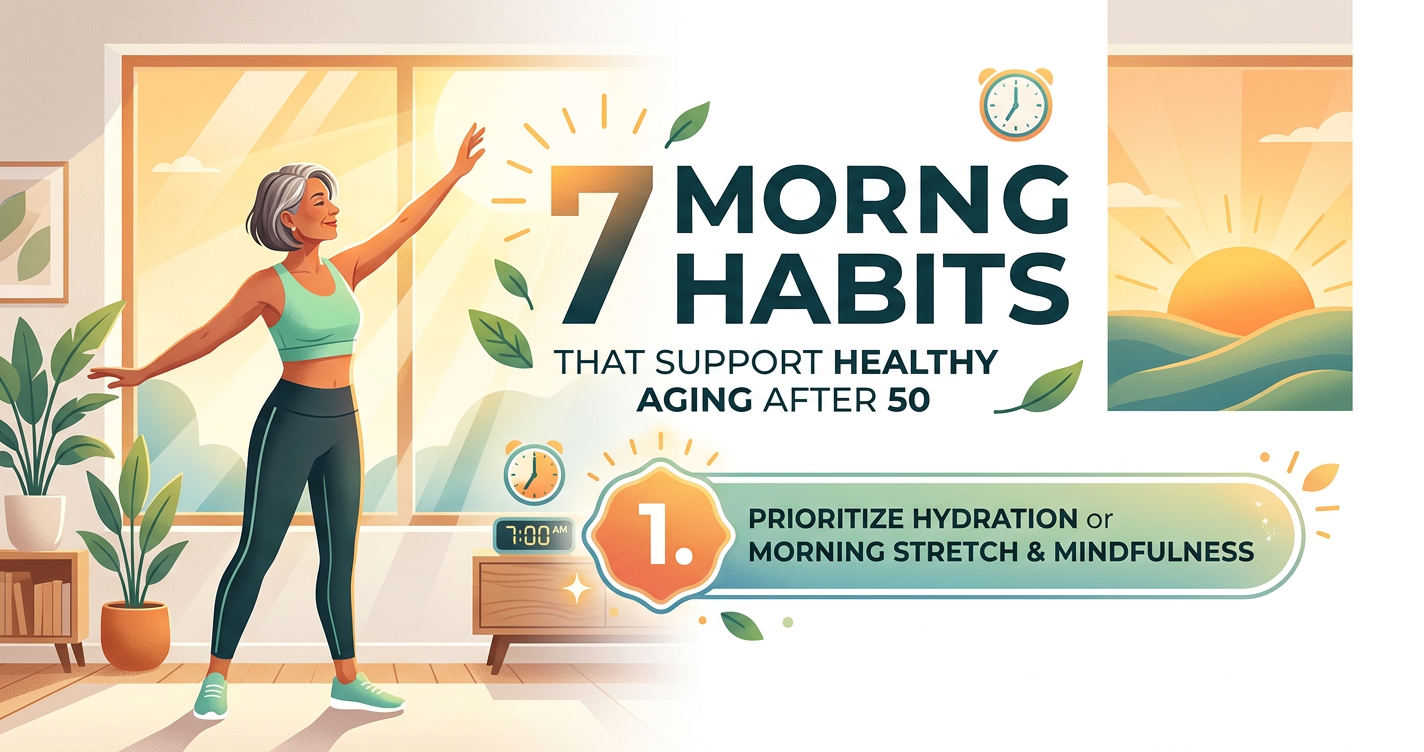
1. Prioritizing Hydration and Strategic Metabolic Activation
As we transition into our fifties and beyond, the physiological demands of our bodies shift significantly. One of the most overlooked aspects of healthy aging is the critical role of cellular hydration immediately upon waking. During the seven to nine hours of sleep recommended for older adults, the body naturally loses fluids through respiration and perspiration. Starting your day with 16 to 24 ounces of filtered water—perhaps with a squeeze of fresh lemon or a pinch of high-quality sea salt—is not merely about quenching thirst; it is about jumpstarting metabolic processes that slow down as we age.
The Cellular Impact of Morning Rehydration
Water is the medium through which all biochemical reactions occur. For those over 50, maintaining optimal blood volume is essential for cardiovascular health and cognitive clarity. Dehydration can mimic symptoms often associated with "getting older," such as brain fog, dizziness, and joint stiffness. By hydrating first thing, you help lubricate the synovial fluid in your joints, making morning movement less painful and more fluid. Furthermore, water intake triggers the "gastrocolic reflex," which aids in natural detoxification and regular bowel movements, a cornerstone of digestive health in later years.
Metabolic Flexibility and Blood Sugar Management
A second crucial morning habit involves the timing and composition of your first meal. For many, metabolic flexibility—the body's ability to switch between burning carbohydrates and fats—decreases with age. Research suggests that for adults over 50, a protein-rich breakfast is superior to high-carb options like bagels or sugary cereals. Consuming 25 to 30 grams of high-quality protein (such as eggs, Greek yogurt, or a clean protein shake) helps mitigate "sarcopenia," the age-related loss of muscle mass. Protein also provides a steady release of energy and prevents the mid-morning insulin spikes that can lead to systemic inflammation, a primary driver of aging.
Temperature Matters: Warm water can be gentler on the digestive system in the morning compared to ice-cold water.
Micronutrient Boost: Adding a trace mineral supplement to your morning water can support bone density and nerve function.
Digestive Enzymes: For those with sluggish digestion, a tablespoon of raw apple cider vinegar in water can prime the stomach for nutrient absorption.
2. Movement Strategies for Longevity and Structural Integrity
In the context of healthy aging, exercise is no longer just about aesthetics; it is about functional independence. The morning hours offer a prime window to reinforce the body’s structural integrity before the stresses of the day take hold. However, the approach must be calculated. For those over 50, a combination of "low-impact mobility" and "resistance-based activation" is the gold standard for maintaining a youthful physical profile.
Dynamic Mobility vs. Static Stretching
The old advice to simply "stretch" in the morning has been updated by modern sports science. Static stretching on cold muscles can actually increase the risk of micro-tears. Instead, focus on dynamic mobility—movements that take your joints through their full range of motion. Think of it as "oiling the hinges." Gentle neck rotations, shoulder circles, and pelvic tilts help reorganize the fascia (the connective tissue surrounding your muscles) which tends to become stiff and "sticky" overnight. This practice significantly reduces the risk of falls, which is a leading concern for aging populations.
The Power of Resistance and Weight-Bearing Activity
While a full gym session isn't required every morning, performing five to ten minutes of bodyweight resistance can transform your hormonal health. Simple movements like wall push-ups, air squats, or "bird-dogs" stimulate the release of growth hormones and testosterone, both of which naturally decline with age. These movements also signal the bones to retain calcium, combating the onset of osteopenia and osteoporosis. When you move in the morning, you are essentially telling your body that it still needs to be strong, resilient, and capable.
Balance Drills: Try brushing your teeth while standing on one leg to improve proprioception and prevent future falls.
Spinal Decompression: A gentle "cat-cow" flow or hanging from a pull-up bar for 30 seconds can alleviate morning back stiffness.
The 10-Minute Walk: A brisk walk shortly after waking not only moves the muscles but also sets your circadian rhythm via light exposure.

3. Neurological Resilience and Circadian Alignment
Healthy aging isn't just a physical endeavor; it is a neurological and hormonal one. The final category of essential morning habits focuses on the brain and the endocrine system. As we age, our sleep-wake cycles can become fragmented. By mastering your morning light exposure and mental input, you can improve sleep quality, reduce cortisol levels, and maintain "neuroplasticity"—the brain's ability to form new neural connections.
Natural Light Exposure and the Cortisol Awakening Response
One of the most powerful things a person over 50 can do is step outside within 30 minutes of waking. Natural sunlight, specifically the blue light spectrum present in the early morning, hits the melanopsin ganglion cells in the eyes. This sends a direct signal to the suprachiasmatic nucleus (the brain's master clock) to stop producing melatonin and start producing cortisol and serotonin. This "Cortisol Awakening Response" is vital for daytime energy and ensures that melatonin is released at the right time in the evening, ensuring a deeper, more restorative sleep—the ultimate anti-aging tool.
Cognitive Priming and Stress Mitigation
The first 20 minutes of the day set the "emotional thermostat" for the next 16 hours. For those over 50, who may be juggling the stresses of late-career demands or caring for both children and aging parents, a morning mindfulness practice is non-negotiable. This could be five minutes of meditation, deep diaphragmatic breathing, or journaling. These practices lower systemic inflammation by calming the sympathetic nervous system (fight or flight) and activating the parasympathetic nervous system (rest and digest). Furthermore, engaging in a "brain-focussed" task, like reading a challenging book or practicing a language, stimulates the prefrontal cortex, helping to ward off cognitive decline and dementia.
The "No-Screen" Rule: Avoid checking news or email for the first hour of the day to prevent an artificial spike in stress hormones.
Gratitude Practice: Identifying three things you are grateful for can rewire the brain's "negativity bias," which often increases with chronic stress.
Deep Breathing: Box breathing (inhale 4, hold 4, exhale 4, hold 4) can instantly lower heart rate variability (HRV) and improve mental resilience.