1. The Nutritional Foundation: Anti-Inflammatory Foods and Targeted Supplementation
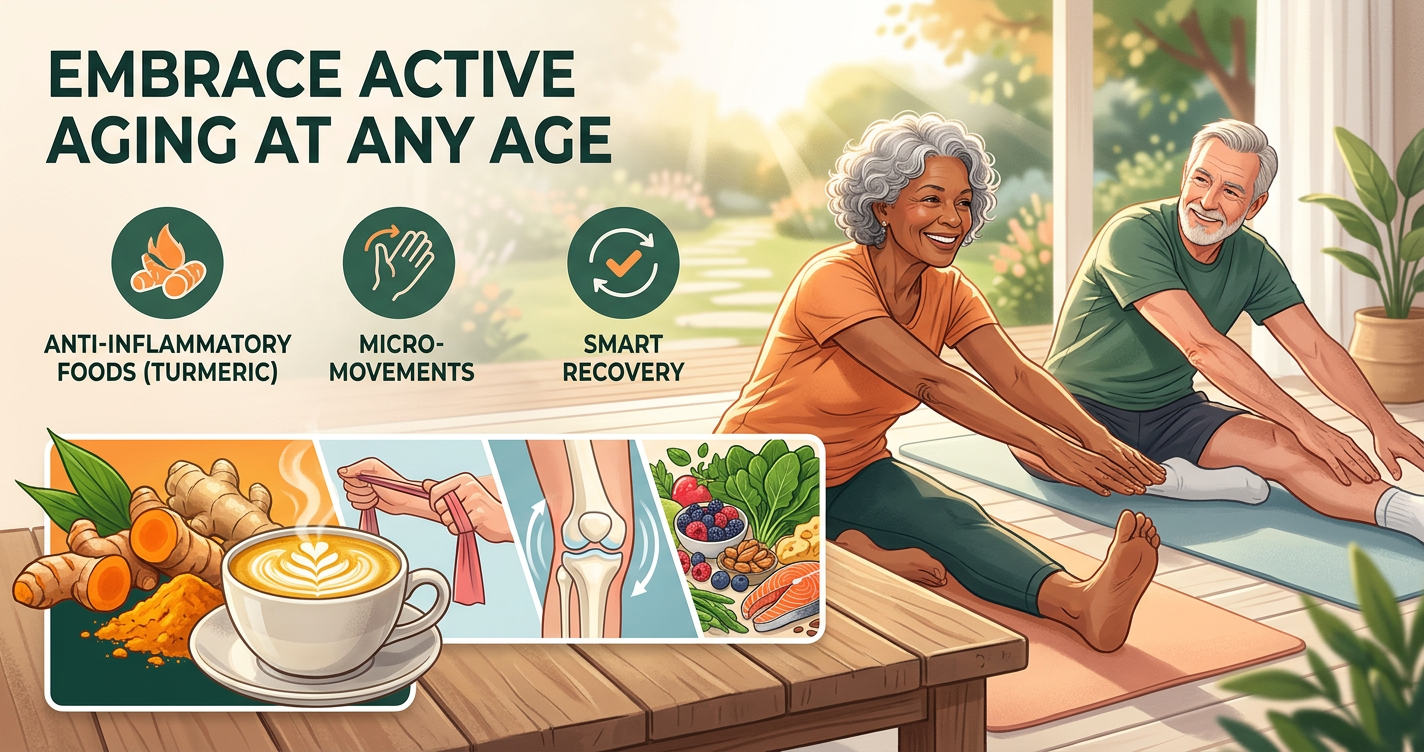
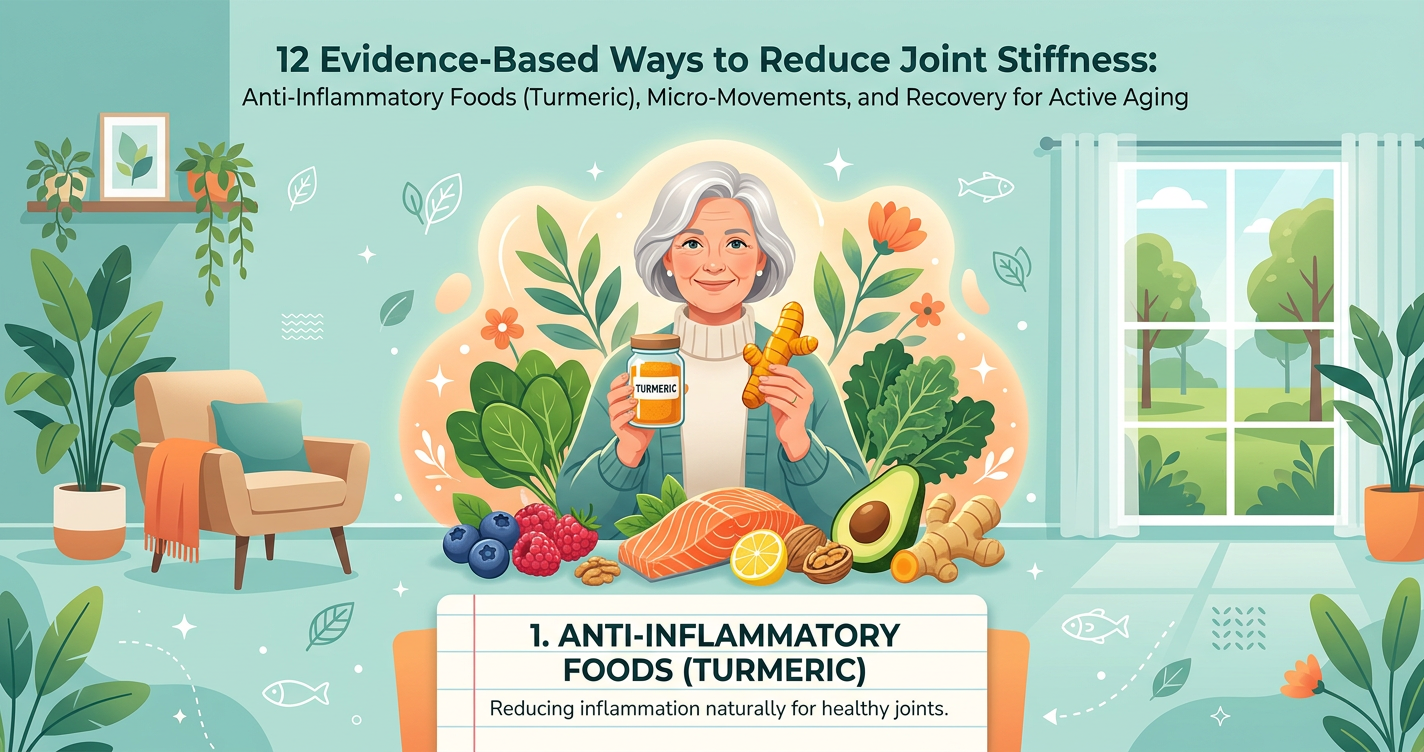
Managing joint stiffness begins from the inside out. As we age, the body’s systemic inflammatory response can become overactive, leading to chronic discomfort and reduced mobility. One of the most powerful tools at your disposal is the strategic use of nutrition to dampen this inflammatory fire. Foremost among these natural remedies is turmeric. This bright yellow spice contains curcumin, a bioactive compound that has been extensively studied for its ability to inhibit inflammatory enzymes. However, curcumin is notoriously difficult for the body to absorb on its own. To maximize its benefits for your joints, it should be consumed with black pepper (which contains piperine) and a healthy fat source. Incorporating turmeric into your daily diet—whether through golden milk, curries, or high-quality supplements—can serve as a baseline defense against morning stiffness.
Beyond turmeric, the role of polyphenols cannot be overstated. These micronutrients, found abundantly in berries, dark chocolate, and green tea, act as potent antioxidants that protect the synovial fluid and cartilage from oxidative stress. When you consume a diet rich in polyphenols, you are effectively providing your joints with a chemical shield that prevents the degradation of tissues. This biochemical protection is essential for maintaining a fluid range of motion as the years progress.
Furthermore, the type of fats you consume plays a pivotal role in anti-inflammation. While long-chain omega-3s from fish oil are well-known, omega-3 ALA (alpha-linolenic acid) found in plant sources like flaxseeds, chia seeds, and walnuts is equally vital. ALA serves as a precursor to other anti-inflammatory molecules in the body. By balancing your intake of omega-3s against pro-inflammatory omega-6s (often found in processed vegetable oils), you can significantly reduce the "tightness" felt in the knees, hips, and hands. To round out the nutritional triad, hydration is the final piece. Cartilage is approximately 80% water; even mild dehydration can lead to increased friction in the joints, making movement feel labored and painful.
Key Dietary Shifts for Supple Joints:
Load up on Cruciferous Vegetables: Broccoli and Brussels sprouts contain sulforaphane, which may block the enzymes that cause joint destruction.
Prioritize Magnesium-Rich Foods: Spinach and almonds help relax the muscles surrounding the joints, reducing secondary stiffness.
Avoid Ultra-Processed Sugars: High glucose levels trigger the release of pro-inflammatory cytokines, directly contributing to stiffness.
2. Movement Science: Integrating Micro-Movements and Functional Mobility
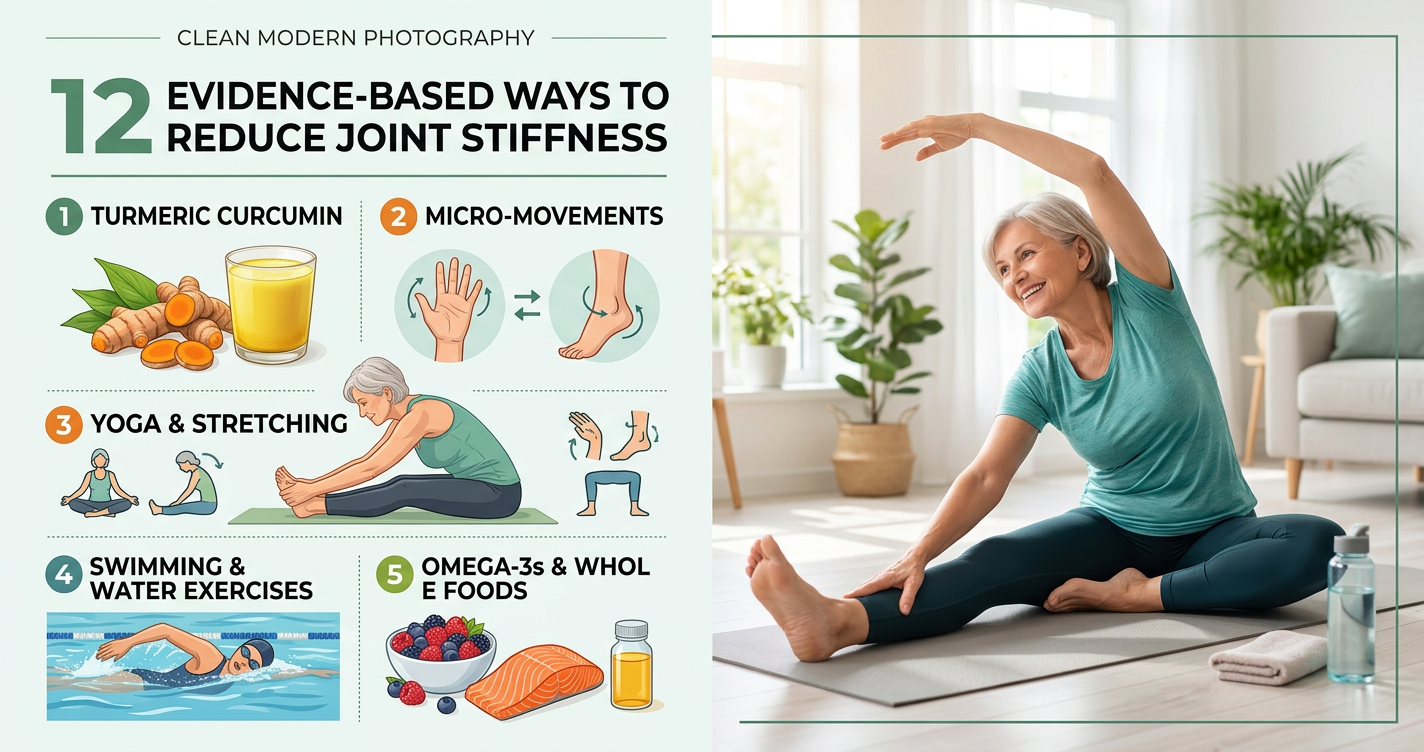
The old adage "motion is lotion" is rooted in biological reality. Synovial joints do not have their own blood supply; they rely on movement to circulate synovial fluid, which delivers nutrients and removes waste products. However, for those dealing with chronic stiffness, high-impact exercise isn't always the answer. This is where the concept of micro-movements becomes a game-changer. Micro-movements are small, controlled, and often subtle motions designed to engage the deep stabilizer muscles and lubricate the joint capsule without causing strain.
For active aging, focusing on range of motion through dynamic stretching is far superior to static stretching alone. Instead of holding a pose for 30 seconds, dynamic movements involve moving the limb through its full comfortable circuit. This gradually "wakes up" the nervous system and increases the temperature of the surrounding tissues. By incorporating micro-movements into your work day—such as ankle circles while sitting or gentle neck tilts—you prevent the connective tissues (fascia) from "setting" like glue during periods of inactivity.
Functional mobility training should also prioritize the joints that are most prone to age-related stiffness: the hips and the thoracic spine. When these areas become immobile, the body compensates by overworking the lower back and knees, leading to a cycle of pain. Exercises like "cat-cow" or "90/90 hip switches" are excellent for maintaining the elasticity of the joint capsule. The goal is not just to be "flexible" in a gymnastic sense, but to have the usable strength within every degree of your movement capacity.
Strategies for Movement Integration:
The 30-Minute Rule: Never stay in one position for more than 30 minutes. Use micro-movements like shoulder rolls or wrist extensions to break up sedentary behavior.
Eccentric Loading: Slowing down the "lowering" phase of an exercise helps build tendon resilience, which supports the joints under load.
Tai Chi and Qi Gong: These ancient practices are essentially masterclasses in fluid movement and balance, proven to reduce arthritis symptoms.
3. Recovery and Thermal Therapies: Optimizing the Body’s Repair Cycle
The final pillar of reducing joint stiffness lies in how we recover. Without adequate rest and the strategic use of external stimuli, the body cannot repair the micro-trauma associated with daily activity. Sleep is the most underrated tool in the anti-inflammatory arsenal. During deep sleep, the body releases growth hormones that facilitate tissue repair and reduces the concentration of inflammatory markers in the bloodstream. Lack of sleep has been shown to increase pain sensitivity, making existing stiffness feel significantly worse.
Beyond rest, the application of temperature is a scientifically backed method to manage joint health. Heat therapy is particularly effective for chronic stiffness. Applying heat via a warm bath or a heating pad encourages vasodilation—the widening of blood vessels. This increases blood flow to the affected area, relaxing tight muscles and allowing for a better range of motion. It is best used in the morning to "thaw out" stiff joints or before a workout to prep the body.
Conversely, cold therapy (cryotherapy) is a powerful tool for acute inflammation or post-exercise recovery. Cold causes vasoconstriction, which helps reduce swelling and numbs sharp pain. For those experiencing "flares" in their joints, a brief cold soak or an ice pack can provide immediate relief by slowing down nerve conduction. Alternating between the two, a practice known as contrast therapy, can create a "pump" effect in the circulatory system, flushing out metabolic waste and flooding the area with fresh, oxygenated blood.
Recovery Habits for Longevity:
Magnesium Soaks: Adding Epsom salts to a warm bath combines heat therapy with mineral absorption to soothe the nervous system.
Sleep Environment: Ensure a cool, dark room to facilitate deep REM cycles, which are crucial for anti-inflammation.
Mindfulness and Stress Reduction: High cortisol levels are directly linked to increased systemic inflammation; meditation can literally "calm" your joints.
By combining the internal power of turmeric and omega-3 ALA with the consistent application of micro-movements and thermal recovery, you create a comprehensive environment for active aging. Joint stiffness does not have to be an inevitable part of getting older; rather, it is a signal from the body that requires a multi-faceted response. Start small, stay consistent, and your joints will reward you with years of fluid, pain-free movement.